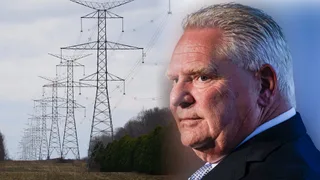
As insults fly around trade, negotiators for Canada and the U.S. avoid getting personal in public
This week, politicians from Canada and the United States have traded personal insults across the border, describing others as weak, nasty, foolish, ridiculous and a loser — the last paired with a curt invitation to "kiss my ass."
The taunts have escalated the feud between the two countries, which has already led to crushing tariffs on tens of billions of dollars worth of cross-border goods. But the two governments' trade negotiators have avoided getting personal, at least in public.
The art of inflicting pain: How to select targets for Canada's counter-tariffs
Political scientists and a public relations expert say the trade leads are striking a different tone because, like their predecessors in past negotiations, their bosses have given them a specific role to play in the trade dispute — one that would only be made harder by bad blood.
"What we're seeing is a choreography, a play, if you like, where you've got different people playing different roles to have the overall effect that you want to achieve," said Jaime Watt, founder of the public relations firm Navigator.
Trade talks between the U.S. and Canada collapsed on Aug. 21, with each side later blaming the other for spoiling what seemed to be the closest chance at a deal in months.
Neither government has released the text of the scuttled agreement, and negotiators have mostly cited confidentiality when pressed for details, leaving the public to rely largely on politicians' comments to gauge progress — or the lack of it.
On Thursday, U.S. President Donald Trump further antagonized Canadians when he directed his government to refer to Lake Ontario as Lake America , a move quickly dismissed up north as unnecessarily provocative and insulting. He had previously referred to Canadian officials as "clowns" and described Ontario's premier as the "less charismatic, intelligent" version of his late brother.
In separate interviews with CBC News, the two countries' respective cabinet members took a different tack. They criticized the other governments' economic policies but didn't make it personal.
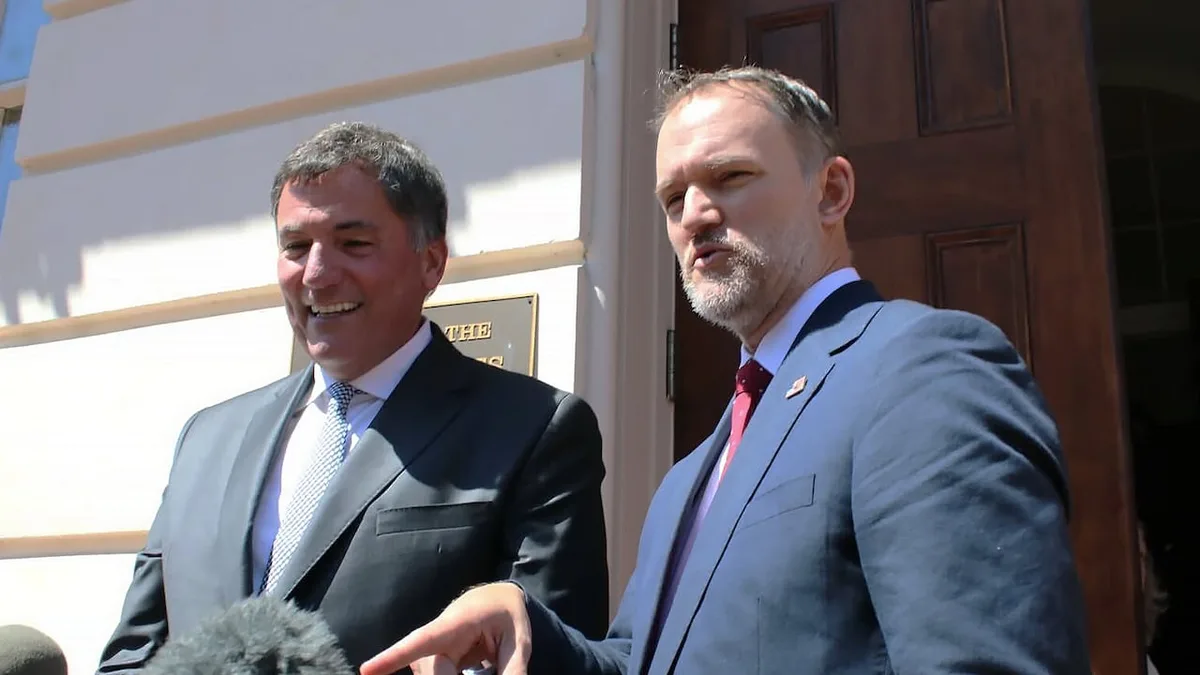
Canada-U.S. Trade Minister Dominic LeBlanc said he didn't want spend time dwelling on "who said what about whom" and described his dealings with U.S. Trade Representative Jamieson Greer as "always personal and professional."
Two days later, Greer sidestepped a question whether his boss' rhetoric complicates his job.
"I would just say my job is quite narrow, and on trade relations, it's quite narrow," Greer told CBC News on Wednesday , describing his relationship with LeBlanc as "good."
Experts said the trade leads are likely avoiding personal insults in public because poisoning the well won't help them achieve their objective: securing the best deal possible for their respective countries.
"They're not going to launch silly insults against one another because it's not good for actually productive conversations," said Aaron Ettinger, a political science professor at Carleton University. "If they can't stand each other, then it's going to be hard to be in the same room with one another."
5News aggregated this summary from the outlet’s public feed. The full article, with all the context, is on www.cbc.ca — the content belongs to CBC News.