Is restricting U.S. from Canada’s oil ‘crazy’? Here’s what happened before
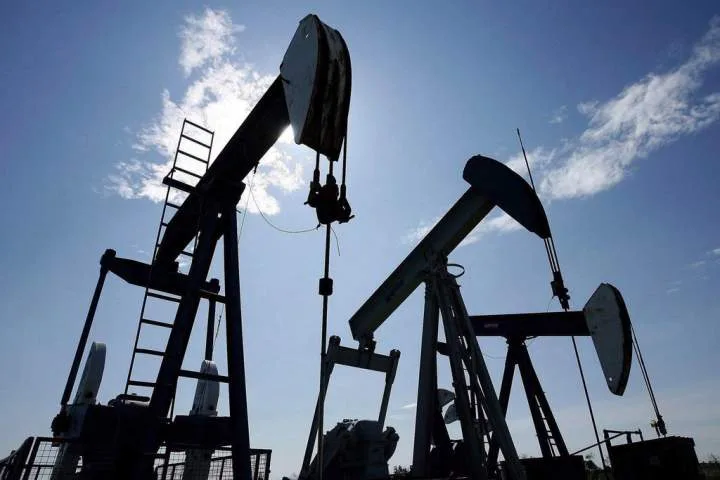
The escalating trade war between Canada and the U.S. has reignited the debate over whether to use Canadian energy exports as leverage over the Trump administration — but some experts are pointing to history while warning against the idea.
More than 50 years ago, in the midst of a global energy crisis, Canada angered the U.S. by putting an export tax on the oil it sold south of the border. Ottawa then went further by launching the National Energy Program, which aimed to reduce the oil industry’s reliance on American investment and secure domestic supply.
While these moves led to the establishment of both Petro-Canada and, eventually, North American free trade, they also sparked decades of Western Canada alienation that are still being felt today.
Now — with another energy crisis raising gas prices, an upcoming referendum on Alberta separatism and increasing tensions with Washington — would be an unwise time to repeat that history, says Heather Exner-Pirot, a senior fellow and director of natural resources, energy and environment at the Macdonald-Laurier Institute.
“It’s not in our interest to stymie our most valuable export,” she said in an interview.
“It would be absolutely seen as Alberta being the sacrificial lamb so that Ontario can feel some schadenfreude on this issue…. It would be wildly crazy to do this.”
In October 1973, the Organization of Arab Petroleum Exporting Countries (OAPEC) banned oil sales to the U.S. and any other country supporting Israel in the Yom Kippur War with Arab states that same month.
The export ban sent global oil prices soaring, and the U.S. in particular struggled with gas price shocks and shortages.
Canada responded to the energy crisis by imposing an export tax on its oil, which it had been selling to the U.S. at a lower fixed rate. The revenues from the tax would go toward subsidizing refiners in Eastern Canada, which at the time still relied on more expensive foreign oil imports — including from the Middle East — and also faced higher gas prices.
American politicians and media commentators complained Canada was “exploiting” the U.S.’s energy problems, and some referred to Canadians as “blue-eyed Arabs” when Ottawa raised the export tax rate alongside the soaring world price.
“We’re not out to gouge the Americans, and I wish to God they’d stop saying we are,” a Canadian official told the New York Times in 1974 in response to the criticism.
Alberta, meanwhile, opposed the tax by arguing it should reap the economic benefits of the resources it produced. A deal was ultimately struck to split the tax revenues between oil-exporting provinces and the federal government, but the conflict soured relations between east and west.
The export tax was lifted in 1984, and the North American Free Trade Agreement struck in 1987 forbid any export taxes on any goods traded between Canada, the U.S.
5News aggregated this summary from the outlet’s public feed. The full article, with all the context, is on globalnews.ca — the content belongs to Global News Politics.