Tiny, beautiful species are going missing from restored forests and wetlands
A regrown forest can look tall, lush and green. Restored wetlands can buzz with insects and flutter with birds. But scientists looking more closely are finding that some of their smallest inhabitants — including certain mosses, lichens, algae and fungi — are often still missing.
Restoring habitats such as forests and wetlands can save declining species of animals and plants and help their populations bounce back. But recent research shows they don't all return at the same rate. Some of the smallest, least noticeable inhabitants can remain rare or absent for decades — with potential consequences for other species.
Ellen Macdonald, a University of Alberta botanist, has spent her career studying forests — but not so much the trees. She focuses instead on the tiny flowers, mosses, liverworts and lichens that grow in their shade, among their roots or on the textured surfaces of their bark.
"There's way, way, way, way, way more species there than there is a tree species," said Macdonald.
To the average person, Macdonald said, a regrown forest a few decades after logging might look much like one that had never been cut, full of tall trees, birds and insects.
But Macdonald recalled walking through regrown coniferous boreal forests and sensing that something was not quite right, even if she could not immediately identify what.
"To really notice what was maybe missing, you'd have to be collecting data," she said.
Macdonald did just that, combining her own research with data from around the world to examine how long it takes plants and animals to return as boreal forests regrow after clearcutting.
The study, published recently in the journal Nature Sustainability , found that birch and aspen forests and their inhabitants appeared to recover within 25 years, while conifer forests took far longer. In conifer forests, understory plants — especially lichens, mosses and liverworts — took 85 years or more to return, and in some cases had not recovered during the century of available data.
The pattern is not unique to boreal forests. Scientists studying wetlands and other restored habitats have also found that places can look healthy while some of their less visible species remain absent.
Years ago, CBC News spoke with German botanist Michael Melkonian about research into how plants evolved to live on land . He described wetlands near his home in the village of Jexmühle, in southern Germany, that teemed with carnivorous plants, sphagnum mosses, frogs and dragonflies.
The bogs "superficially looked very nice," Melkonian said in a more recent interview. They had been restored and replanted decades after being drained for industrial activities such as logging, providing wildlife habitat and storing carbon to fight climate change.
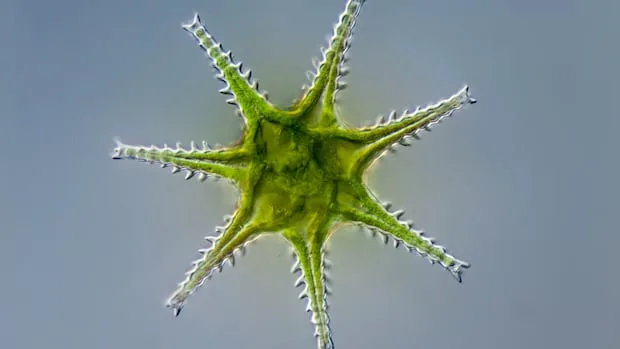
But beneath the water, Melkonian expected to find hundreds of species of the varied desmid algae he studies.
5News aggregated this summary from the outlet’s public feed. The full article, with all the context, is on www.cbc.ca — the content belongs to CBC Technology.