U.S. company's 'sunlight on demand' project worries N.B. astronomers
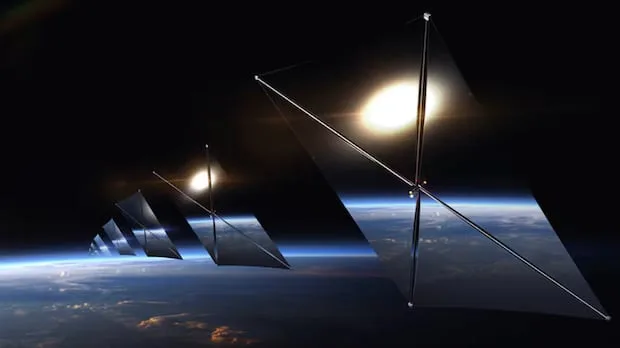
Some New Brunswick astronomy experts and enthusiasts are joining a chorus of opposition against a U.S.-based company’s big goals of using mirrors in space to provide artificial sunlight to people interested in paying for it.
The company, Reflect Orbital, calls its project proposal "sunlight on demand," and would sell it as a service.
It said this “sunlight” could be used for a variety of things like agriculture or solar power infrastructure, for search and rescue efforts, construction projects and other benefits.
“It's kind of a disaster,” said Mount Allison University astronomy professor, Catherine Lovekin.
“It would basically kill ground-based astronomy and backyard stargazing, which is already in trouble from the huge number of satellites that have been launched — and they're not nearly as bright as these.”
The company was founded in 2021. The U.S. Federal Communications Commission gave the project its approval in July, despite hundreds of public voices speaking out in opposition.
U.S. FCC approves giant space mirror to deliver 'sunlight on demand,' but what are the legal implications?
Giant mirrors in space to reflect sunlight at night? No thank you, astronomers say
The approval is for one mirrored “demonstration” satellite which, the company said, will be used to test its technology and safeguards.
The company’s goal is to put 50,000 of the satellites in space by 2035. They would be used to reflect sunlight that would span five kilometers back down to Earth, including potentially at night.
“With 50,000 of them, that's basically going to make the night sky invisible even for our big telescopes,” Lovekin said.
The project also comes with a number of risks and potential impacts to anything that relies on a steady day and night cycle, she said, including circadian rhythms, nocturnal ecosystems and wildlife.
Stéphane Picard, who owns an astro-tourism organization called Cliff Valley Astronomy, shares Lovekin’s concerns.
Picard said the province currently has four dark-sky sites. These are areas largely free of light pollution — like light coming from street lamps, cars or city buildings — that allow an unhindered view of the natural night sky.
5News aggregated this summary from the outlet’s public feed. The full article, with all the context, is on www.cbc.ca — the content belongs to CBC News.