Texas judge puts SEC’s new eligibility rule on hold
Two days after the Southeastern Conference passed a rule barring players from returning to the league from the pros, a Texas judge put that rule on hold Thursday in a case involving more than 40 players.
It was the latest piece of news in what has turned into a breakneck week of legal wrangling over the NCAA's new five-year eligibility rule. The rule does not apply to college players who exhausted their fourth year of eligibility last spring; many are suing across the country for that fifth year.
“As long as they would have been eligible to continue playing college sports in the following semester if they had a fifth year of eligibility, they are eligible today,” Dallas County Judge Martin Hoffman wrote in the temporary restraining order.
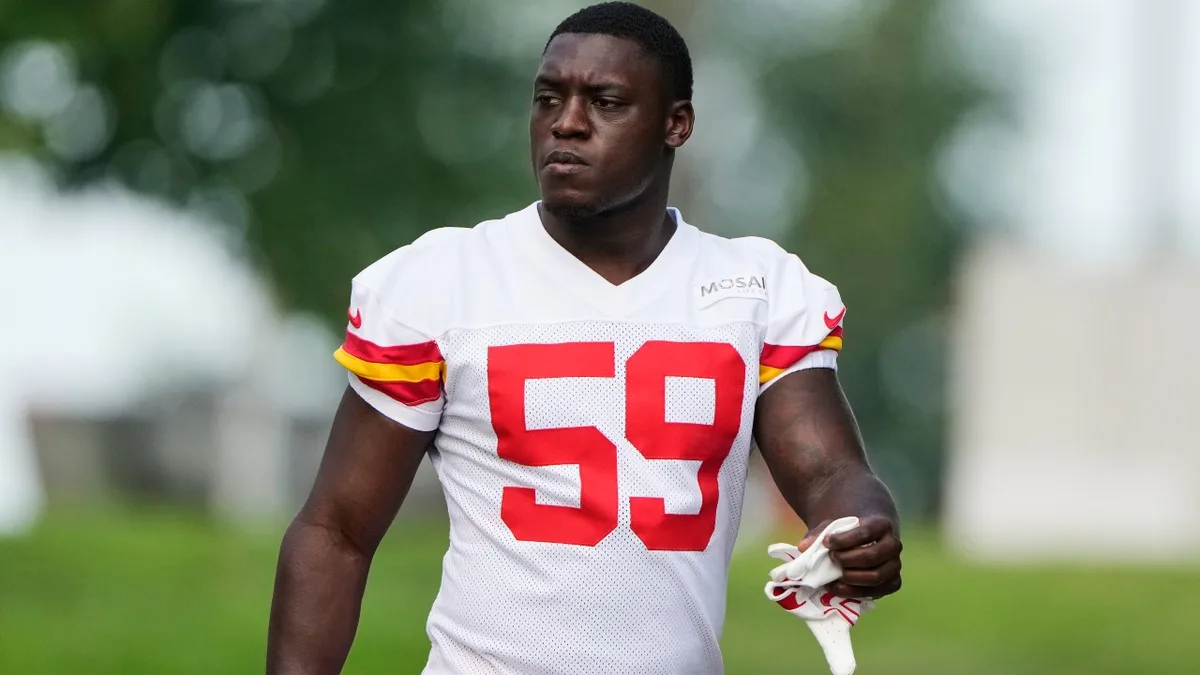
Two of the plaintiffs are former SMU receiver Jordon Hudson of the Cowboys and former Miami linebacker Wesley Bissainthe of the Chiefs. Neither played in the SEC, though the judge ordered the NCAA to open the transfer portal for a week, meaning either could play for a new school if one wanted to sign them.
The order said nothing of the other Power 4 Conferences, all of which have passed similar rules that went beyond the NFL to include basketball, as well. The Atlantic Coast Conference became the last of the four to pass a rule Thursday.
This lawsuit named the NCAA, the SEC and its commissioner, Greg Sankey, as defendants.
At least two players who signed with NFL teams as undrafted free agents this offseason were hoping to play for No. 11 LSU.
Under the ACC resolution, a school is not permitted to include an individual on its football or men’s or women’s basketball roster when he or she:
— Has previously declared for an NFL, NBA, or WNBA draft and did not appropriately withdraw consistent with NCAA requirements to retain eligibility;
— Signed a contract with the NFL (or other professional football league), NBA/G-League, WNBA (or affiliate) or any team that is a member of any such league.
— Been listed on any roster for an NFL (or other professional football league), NBA/G-League, or WNBA (or affiliate) team.
“Just to me, that’s kind of a cutoff, when a guy goes pro,” N.C. State football coach Dave Doeren said after Thursday’s practice and before the ACC adopted its policy. “And we say ‘Goodbye, good luck,’ and we move on. And there shouldn’t be the ability to come back. If it’s the Big Ten, SEC — it doesn’t matter to me: it’s an amateurism rule.”
On Wednesday, the NFL made it clear that players who leave the NFL to return to college won’t be allowed to come back to the league this season.
Conference-level rules differ from those implemented broadly by the NCAA
5News aggregated this summary from the outlet’s public feed. The full article, with all the context, is on www.sportsnet.ca — the content belongs to Sportsnet.