Why Do We Feed Wildlife?
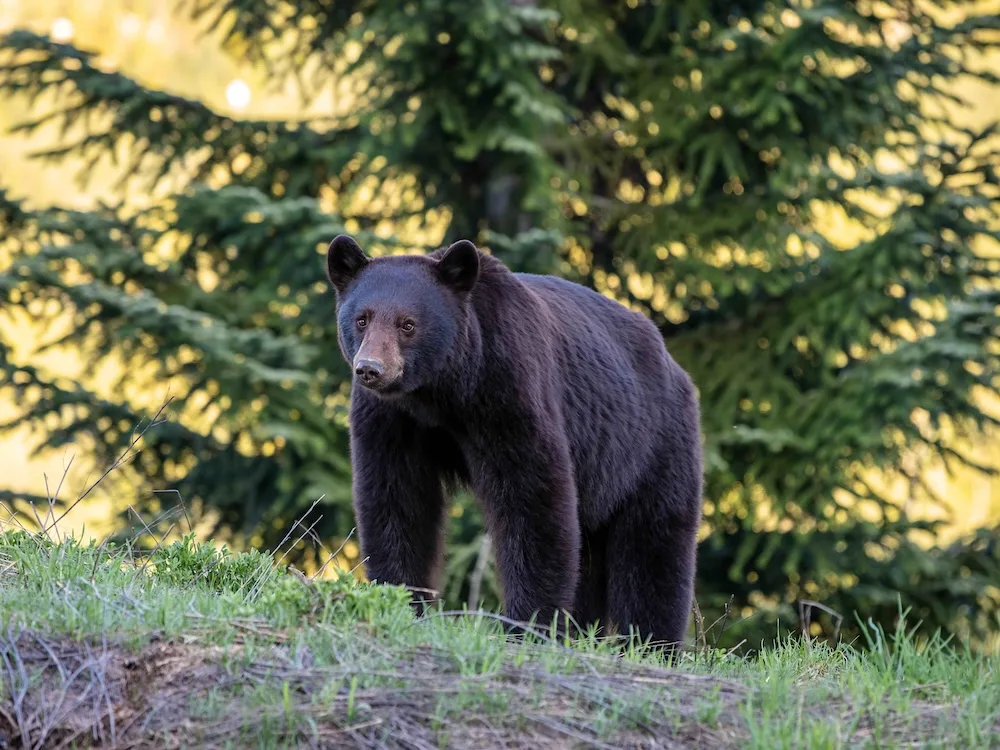
As British Columbians flock to outdoor spaces it’s important to remember that feeding wildlife is bad for them, say experts.
When racoons are fed human food they can become hypoglycemic, or basically pre-diabetic, and their teeth start to rot, said Sarah Benson-Amram, an associate professor in the departments of forest and conservation sciences and zoology at the University of British Columbia.
A harder-to-see impact, but one that is even more dangerous, is that an animal can become habituated to humans.
This is different from being tamed. The animal will still be wild, but it will have less fear of humans, she said.
This can lead to animals spending more time around people, which can put them at increased risk of being hit by vehicles, she said.
If a coyote is comfortable hanging out in someone’s backyard, then that person’s pet dog is more likely to be attacked or eaten by that coyote, she said.
Habituated wild animals can learn to approach people for food and can become aggressive towards people and attack them, she added.
There’s a saying in wildlife management that a fed bear is a dead bear, said David Hardisty, an associate professor in the marketing and behavioural science division at the UBC Sauder School of Business.
Many people want to feed wildlife because they think they’re helping the animal, but “you’re actually killing them,” he said.
In B.C. about 500 bears are killed every year by conservation officers because they become habituated to human food, Hardisty said.
Unfortunately, he added, most wildlife gets fed when humans leave food out at a campsite or don’t properly secure their garbage while in the wilderness or at home.
From the early 1900s to the 1960s , national parks in the United States advertised that people could come see bears eating out of the garbage.
Now we know better, and park rangers and management work to help minimize how habituated to people wild animals become, Hardisty said.
“It’s something that we’ve only really understood more recently as a society,” he said.
5News aggregated this summary from the outlet’s public feed. The full article, with all the context, is on thetyee.ca — the content belongs to The Tyee.