Vaccine-preventable illnesses on the horizon again as Canadian kids head back to school
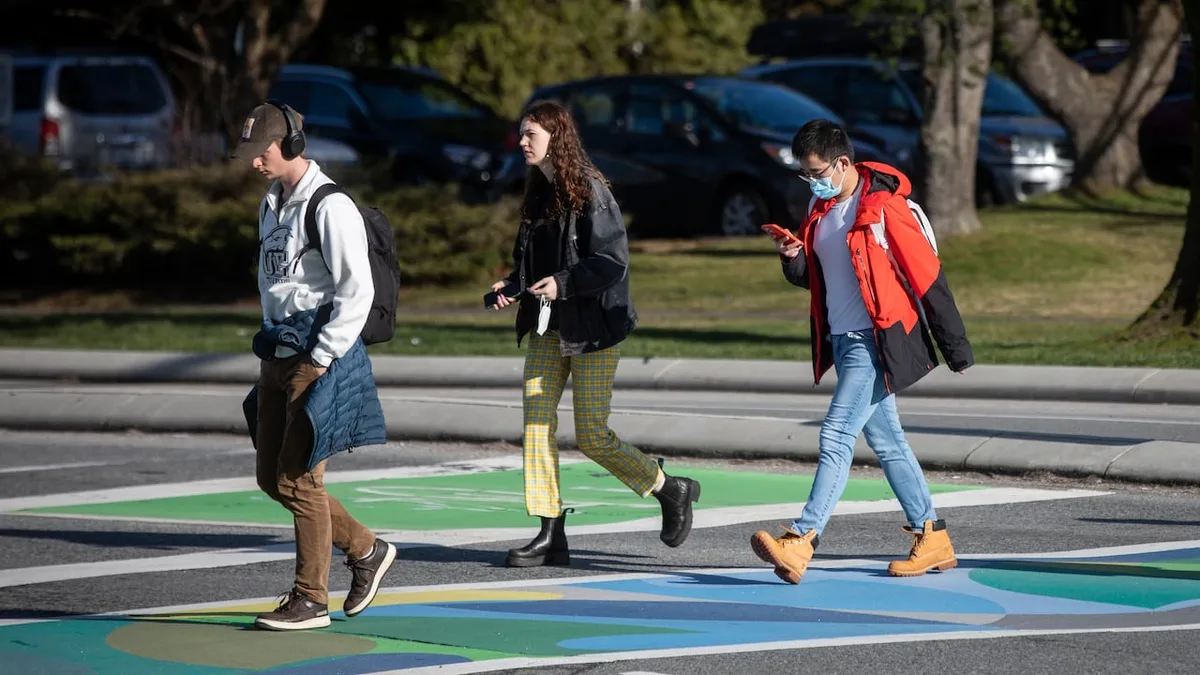
With millions of Canadian kids heading back to school and temperatures set to drop, it’s time to brace for another fall of seasonal illnesses — and medical experts say staying healthy takes more than just a flu shot.
The latest federal surveillance report , which tracks influenza, COVID-19 and respiratory syncytial virus (RSV), shows it’s likely the calm before the storm, with low and stable levels of all three respiratory threats that are set to come roaring back in the months ahead.
“As we transition to colder weather and we’re inside more, that’s when the bugs spread … and that’s when we see our emergency department visits start to go up, and then kids in the hospital more,” said Saskatoon-based pediatrician Dr. Ayisha Kurji, an assistant professor at the University of Saskatchewan.
McMaster University immunologist Matthew Miller says Canadians should already start assessing their options to get seasonal vaccines. For flu specifically, he noted that last year included a “really unusual severe early peak” in influenza circulation.
“We saw really high case counts in … early December, which is about a month in advance of when we normally see flu season peak,” Miller said.
“What that means is that it's really important to be immunized in a timely manner in the fall to ensure that our immune systems have time to respond to the vaccine and mount that protective immunity.”
Hospitalization rates for illnesses like COVID, flu have doubled since pre-pandemic, report finds
It typically takes around two to four weeks for the body to hit a peak immune response to the shot, he said.
And Miller stressed that a fall flu shot — which is recommended for all Canadians aged six months and up — is just one piece of the “suite of vaccines” families should consider.
Measles, for example, has continued circulating, and this fall may see further spread.
“Coming out of the summer months where families have often travelled ... puts everybody at increased risk when the school year starts again,” said Miller, “and all these young children, who have been to all kinds of different places, are now in close quarters again in classrooms.”
Canada’s national vaccine advisory body recommends a COVID shot for higher-risk individuals , including older adults 65 and up and anyone who is pregnant or has underlying medical conditions.
“I still recommend the COVID vaccine because it’s still something that’s around, and still sends people into hospital,” said Kurji.
RSV vaccines are also available for older adults and pregnant individuals, to combat what Miller called an “extraordinarily dangerous virus to newborns.”
5News aggregated this summary from the outlet’s public feed. The full article, with all the context, is on www.cbc.ca — the content belongs to CBC Health.