Decoda Literacy Solutions Helps British Columbians Learn
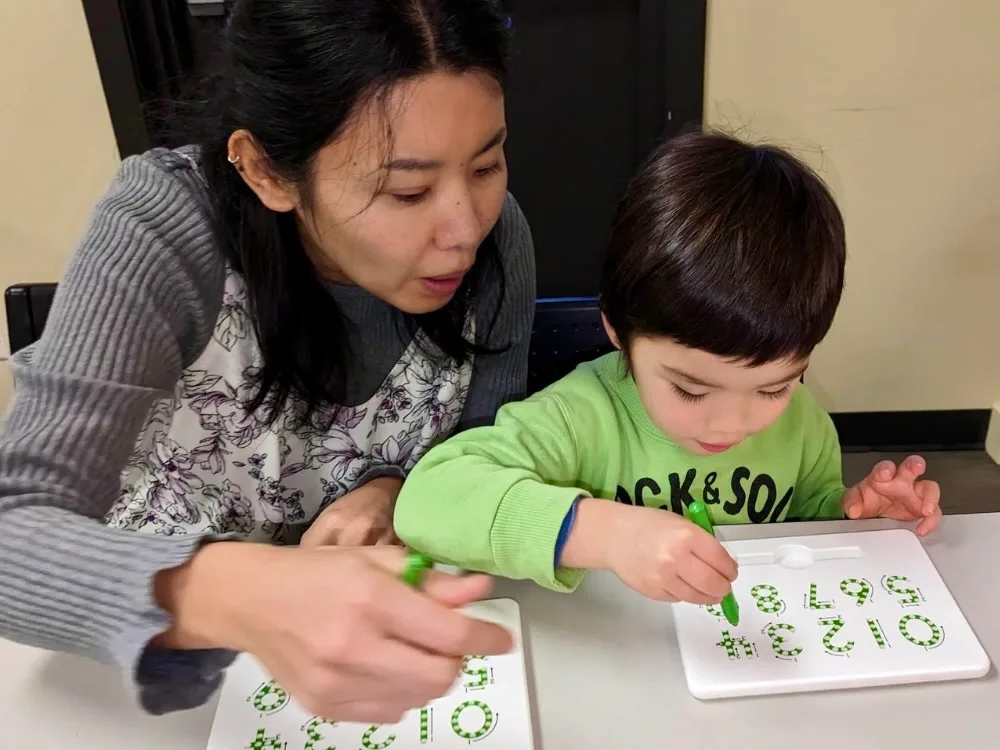
Almost half of British Columbians aged 16 to 65 do not have the literacy skills required to cope with everyday life. For more than a decade, Decoda Literacy Solutions has been working to change that.
Decoda Literacy Solutions is a non-profit organization that supports community-based literacy programs and initiatives across the province. Over 100 of Decoda’s literacy outreach coordinators work with 400 different communities in B.C.
While each program might be linked to Decoda Literacy Solutions, not all the programs look the same. Instead, their literacy outreach coordinators help to tailor the programs to what community members need most.
Maureen Kehler, Decoda’s acting executive director and program director, says that this person-centred approach is integral to helping individuals overcome obstacles that have stood in the way of employment, voting and other facets of daily life.
“We really want people to be part of our community and participate,” said Kehler. “If the reading part is the barrier, let’s figure that out together.”
Literacy is not limited to reading, writing and numeracy. UNESCO describes literacy as the ability to understand, interpret, create and communicate in an increasingly digital and fast-changing world.
Digital literacy means people should be able to access, understand, communicate and create information safely and appropriately using technology. Kehler notes digital literacy can be as simple as being able to turn on a device, and as complicated as being able to spot misinformation and disinformation online.
Beyond digital literacy, Kehler also explained the importance of financial, health and civic literacy.
Taken together, all these forms of literacy empower people to engage meaningfully with the world around them.
Kehler describes literacy as a human right — without it, people are subject to a misunderstanding of their rights, as well as missed opportunities.
“You’re missing out on your rights and responsibilities because you can’t actually understand them,” she said.
In British Columbia, literacy is measured across six levels. People who are measured at Level 1 or below are considered to have very low literacy skills, while Level 4 and 5 are at the highest. Level 3 is the minimum required for coping with everyday life. The provincial government reported that 45.9 per cent of British Columbians are reading below that benchmark.
Reading below the benchmark doesn’t just impact individuals. A 2018 study by the Canada West Foundation found that by increasing the country’s workforce literacy skills by one per cent, there could be an increase over time of three per cent to the GDP, or $54 billion every year.
Kehler explained that low literacy skills don’t have one simple root cause. Some people might test lower because they were not offered the right amount of support while in school, she said, while others might be learning English after immigrating to Canada.
5News aggregated this summary from the outlet’s public feed. The full article, with all the context, is on thetyee.ca — the content belongs to The Tyee.