DNA technology helps identify New Brunswick woman decades after death
A New Brunswick woman whose remains were discovered in Ontario has been identified decades after her death through advances in DNA technology, giving investigators new leads in a homicide case and highlighting the growing role of genetic genealogy in solving cold cases.
Niagara Regional Police announced that Brenda Marie LeBlanc was identified in 2025 after her remains were found during the demolition of a Niagara Falls home in 2023. Investigators believe the remains may have been at the property since the mid-1990s.
LeBlanc’s death was ruled a homicide, but police initially had no way of determining her identity.
“We expended absolutely every traditional investigative means that we could possibly use to try to identify these remains,” Niagara Regional Police Insp. Andrew Knevel said.
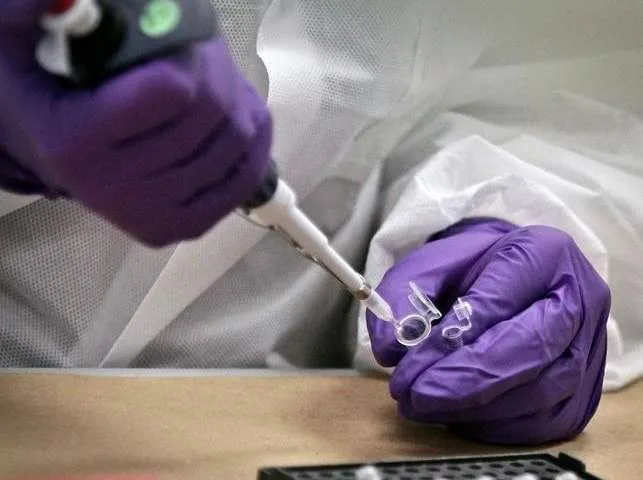
After exhausting conventional methods, investigators turned to investigative genetic genealogy, a technique that uses DNA recovered from remains to locate biological relatives through genetic profiles that have been voluntarily made available for law-enforcement searches.
Kelly Miles, a forensic biology professor at the University of New Brunswick, said the technology is transforming criminal investigations.
“A perpetrator could be convicted based on DNA that a third or fourth cousin has uploaded,” Miles said. “They’ve never done the swab, they’ve never had a DNA test.”
Police said a familial DNA link was established and later confirmed through direct DNA comparison, ultimately identifying LeBlanc and opening new avenues of investigation into her life and death.
Miles said the technique has become an important tool for cases that have gone cold.
“This phenomenal technique is so helpful that it’s really opened a lot of investigative doors for cases that have become cold,” she said.
Advances in forensic science have also made it possible to generate DNA profiles from increasingly small and degraded samples. Miles said biological evidence can remain usable for decades.
The RCMP says it first used investigative genetic genealogy in New Brunswick in 2020 to identify human remains and employed the technique again in June in another case that was nearly two decades old.
The growing use of the technology has also raised privacy concerns. Ontario’s Information and Privacy Commissioner has warned that genetic genealogy can reveal biological relationships involving relatives who never consented to having their DNA information used in investigations.
Miles acknowledged the concerns but said the public safety benefits can outweigh the loss of privacy.
5News aggregated this summary from the outlet’s public feed. The full article, with all the context, is on globalnews.ca — the content belongs to Global News Canada.