Glorifying war, distorting history: What to know about Yasukuni Shrine
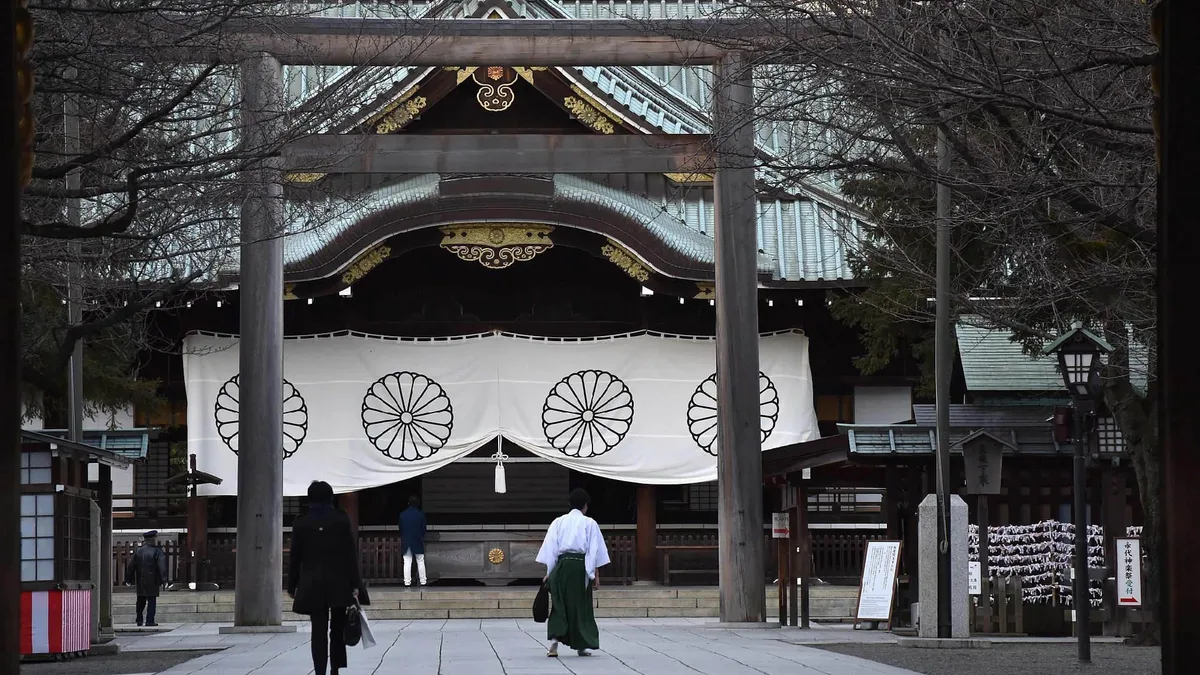
Japan is home to tens of thousands of shrines of all sizes, and Yasukuni Shrine in central Tokyo is one of the most controversial.
Honoring 14 convicted Class-A criminals from World War II, the notorious shrine has long been a source of diplomatic friction between Japan and its neighbors, including China and South Korea.
Yet Japanese Prime Minister Sanae Takaichi on Saturday sent a ritual offering – a potted plant under her title as prime minister – to the war-linked shrine as its three-day autumn festival began.
Takaichi, seen by some as a strongly right-wing advocate of military expansion among Japan's postwar prime ministers, had visited the shrine during its spring and autumn festivals and on August 15, the anniversary of Japan's unconditional surrender in World War II.
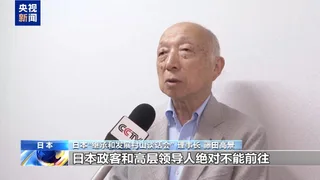
In recent years, visits to Yasukuni Shrine by Japanese leaders and senior cabinet officials have only ended up straining Tokyo's relations with its Asian neighbors.
On August 15, 2026, the Chinese Foreign Ministry officially lodged serious protests after Takaichi made a monetary offering and some of her cabinet members visited the shrine on the 81st anniversary of Japan's WWII surrender.
"This is an affront to historical justice, a challenge to the foundational norms of civilization, and a provocation against the postwar international order," the ministry said back then.
In its aftermath, South Korea's Foreign Ministry also issued a statement, stressing that Seoul cannot but deplore the fact that responsible leaders of Japan once again forgot history and repeated anachronistic acts by sending offerings to or paying tributes at the shrine.
A distorted version of history Facing outrage from the victims of Japan's wartime aggression, Japanese politicians often seek to downplay the controversy, claiming, "Yasukuni Shrine is merely a Shinto site for honoring and consoling the spirits of the dead." Yet the site is filled with symbols closely tied to Japanese militarism and war.
The bases of two large stone lanterns at the shrine feature bas-reliefs depicting Japan's wars, including the First Sino-Japanese War of 1894-1895 (also known as the Jiawu War) and the suppression of indigenous uprisings in China's Taiwan region under Japanese colonial rule, deliberately highlighting them as Japanese military "feats." Some of these images were even printed on postcards.
But where, then, is the mourning for the blood and tears of the countless Asian civilians who suffered in these so-called feats of the Japanese army? In China alone, 14-year war against Japanese aggression resulted in over 35 million Chinese military and civilian casualties, data shows.
此摘要由5News从媒体的公开信息源汇聚而成。 包含完整背景的全文在www.cgtn.com — 内容归CGTN Politics (oficial)所有。