EU faces mounting pressure amid concerns over winter energy supplies
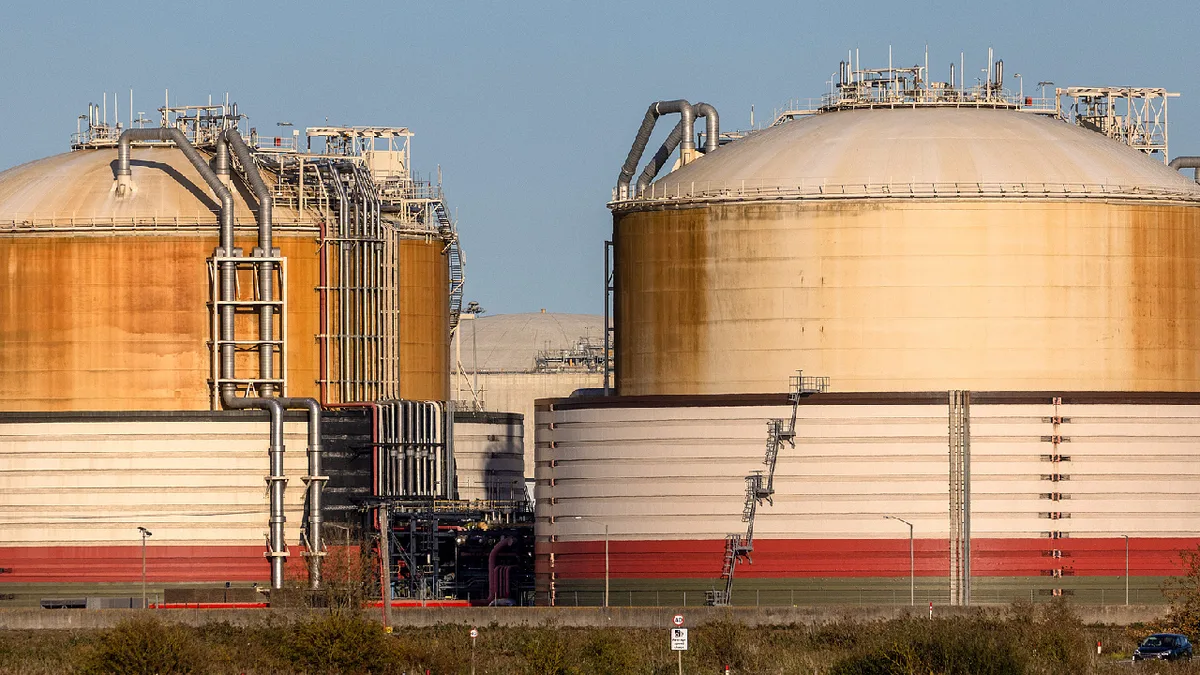
The European Union is heading into winter with gas storage at its lowest seasonal level in more than a decade, while geopolitical tensions and rising energy costs are mounting pressure on households and businesses.
A report released on October 9 by the US-based Institute for Energy Economics and Financial Analysis (IEEFA) said EU gas storage was at 72.4% capacity on October 3, the lowest level for that time of year since records began in 2011.
Lower stocks leave the bloc with less of a buffer if demand rises sharply during a cold spell or if liquefied natural gas (LNG) supplies are disrupted.
Citing the EU's full ban on imports of Russian LNG from January 2027, the report stated the bloc may need to reduce gas demand by about 14 billion cubic meters this winter, or 7% compared with last winter, amid higher prices, limited supply flexibility and the risk of colder weather.
The institute said the shortfall could also be covered by additional imports, estimated to cost around 3 billion euros, which is about 12% higher for the same volume than a year earlier because of the impact of the Middle East conflicts.
The European Network of Transmission System Operators for Gas said in its winter outlook that Europe was entering the season with historically low storage levels and volatile global gas prices.
Under a scenario of tight LNG supply, storage could fall well below 30% by the end of winter.
Gas Infrastructure Europe said the level could reach about 13% under one such scenario.
The IEEFA cautioned that the outlook does not mean EU storage will run dry.
But as storage levels decline, gas withdrawal, due to low pressure, slows, making it harder to meet demand during a late-winter cold snap.
Low stocks at the end of winter would also require a larger refill the following summer, potentially adding further pressure to prices.
The strain is already visible in fuel prices.
Data from the European Commission's Weekly Oil Bulletin showed that on September 14 the EU weighted average price reached 2.063 euros per liter for petrol and 2.159 euros for diesel, the highest levels recorded in the series.
Higher energy costs are feeding into broader inflation.
此摘要由5News从媒体的公开信息源汇聚而成。 包含完整背景的全文在www.cgtn.com — 内容归CGTN Business (oficial)所有。