Warming cities can’t afford to sacrifice their urban parks
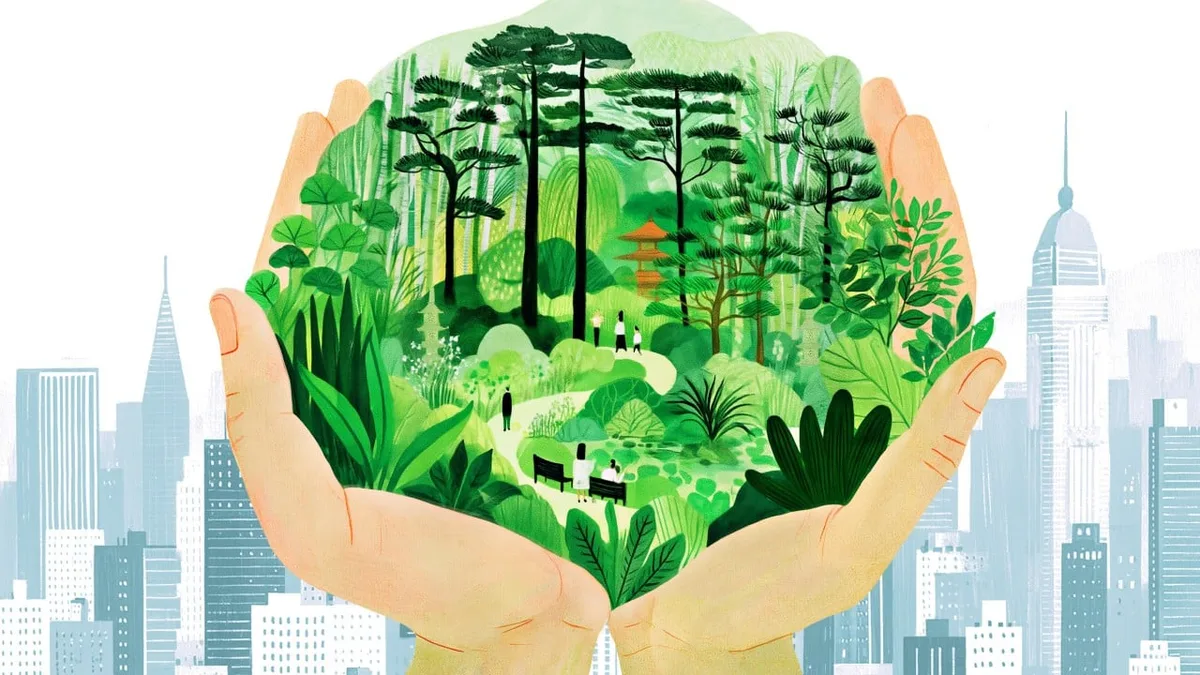
Green spaces lower urban temperatures and boost quality of life. Cities may be short of space, but trading parks for concrete is a bad bargain
On a Sunday morning in Bengaluru last month, thousands gathered at Lalbagh Botanical Garden carrying a simple message: “Walk in Lalbagh. Walk for Lalbagh”. They were protesting against a new Karnataka law that allows up to 5 per cent of protected parkland to be used for public infrastructure. The provision could make as much as 12 acres of Lalbagh and 15 acres of neighbouring Cubbon Park available for such projects.
This is not the first time Bengaluru’s citizens have defended these green spaces from infrastructure projects. Earlier campaigns opposed proposals to build a metro line through Lalbagh. Today, protesters are confronting both a tunnel road project and a legislative change that potentially makes protected parkland easier to use.
The tunnel road project will pass through ecologically sensitive spaces and entails the felling of about 900 mature trees. The threat is particularly worrying as Bengaluru’s vegetation cover has shrunk dramatically since the 1970s. The loss has been accompanied by a sharp rise in land surface temperatures.
The protests in Bengaluru are striking because they are not just about two well-known parks or the city’s green cover. They are part of a larger struggle unfolding in cities around the world as urban residents confront the same question: what happens when cities run out of space?
In Mumbai, the Save Aarey movement has become one of the city’s longest-running environmental movements. Nearly four years of weekly protests have been held to protect the 1,300-hectare (3,212 acres) Aarey Colony urban forest from development.
此摘要由5News从媒体的公开信息源汇聚而成。 包含完整背景的全文在www.scmp.com — 内容归South China Morning Post - China所有。