Stale intelligence, AI reliance cited in US strike on Iranian school
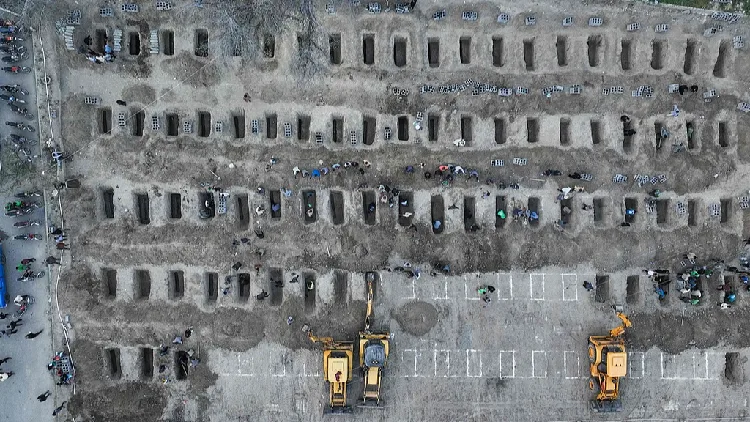
Faulty intelligence, outdated satellite imagery, staffing cuts and heavy reliance on artificial intelligence contributed to a US strike that killed around 120 children at a school in the Iranian city of Minab, Bloomberg reported Saturday, citing officials involved in a Pentagon internal investigation.
The officials described the tragedy as a cascade of preventable failures rather than the result of a single catastrophic decision.
The strike followed a series of smaller errors and missed opportunities to prevent the attack, they said, speaking on condition of anonymity.
The scale and pace of the US air campaign also left personnel with less time to finalize targets.
More than 1,000 targets were struck during the operation's first 24 hours, following an order for an extensive air assault in the final days of February, according to the officials.
The investigation found that several factors contributed to the deadly error, including outdated intelligence, reductions in Pentagon personnel responsible for mitigating civilian harm and an overreliance on artificial-intelligence tools.
The Minab site had been identified years earlier as a military compound, but officials said there was clear evidence that its function had changed.
Satellite imagery showed physical modifications and new construction dating back nearly a decade, while the site had been operating openly as a school.
Some personnel at US Central Command, which conducted the strike, relied heavily on artificial intelligence embedded in Palantir's Maven Smart System, expecting the system to identify outdated or inconsistent intelligence, according to officials involved in the investigation.
In previous conflicts, preparing proposed target lists – including assessing whether individual targets were consistent with an operation's objectives – could take staff hours.
Ahead of the US attack on Iran, much of that work was condensed into minutes with the help of Maven, according to people familiar with the Pentagon's review.
Palantir said it "is not responsible for the underlying data nor identifying intelligence deficiencies" and that there was no evidence its software was at fault, Bloomberg reported.
Following the Minab strike, Palantir added new capabilities to Maven that can "re-review underlying intelligence to identify factors that would disqualify a target and flag inconsistencies and inaccuracies that human review may have missed," according to a person familiar with the matter.
The person said the new capabilities had already identified some anomalies.
此摘要由5News从媒体的公开信息源汇聚而成。 包含完整背景的全文在www.cgtn.com — 内容归CGTN World (oficial)所有。