China's first five national parks show conservation gains
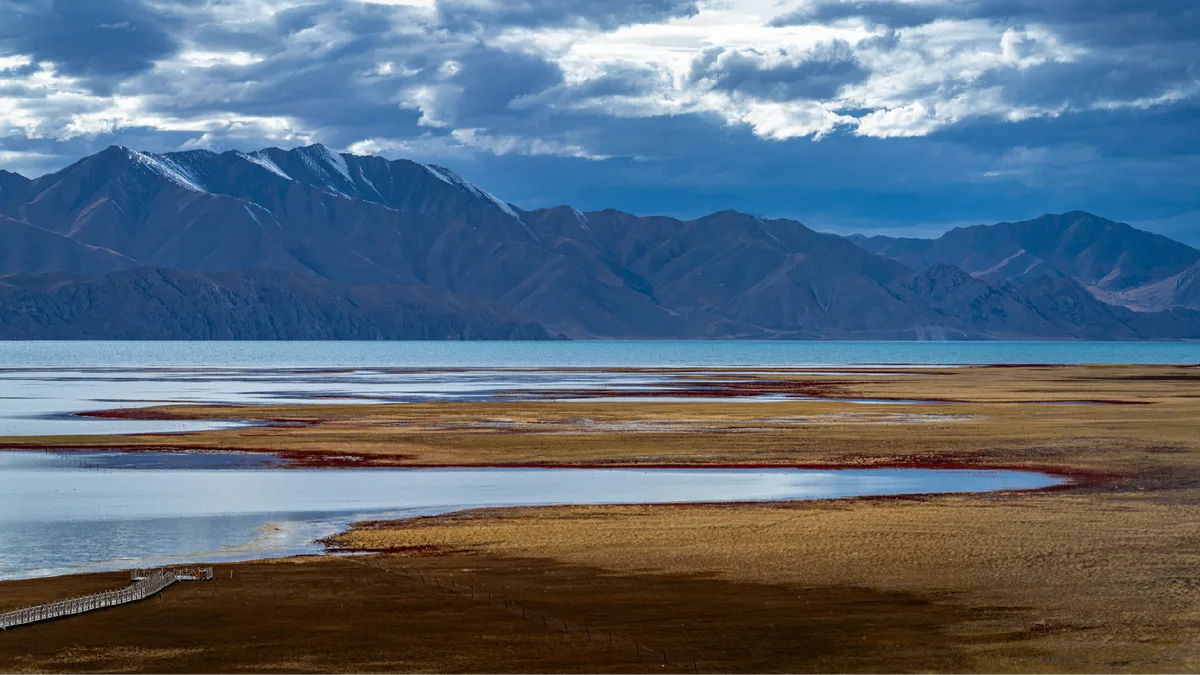
China's first five national parks have made significant progress in ecosystem protection, wildlife conservation and local livelihoods since their establishment in 2021, with ecological services improving and flagship species populations recovering.
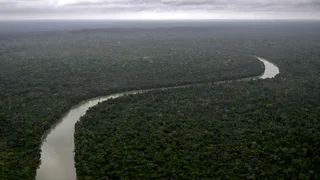
The national parks of Sanjiangyuan, Giant Panda, Northeast China Tiger and Leopard, Hainan Tropical Rainforest and Wuyishan cover a combined area of 230,000 square kilometers and protect nearly 30% of China's key nationally protected terrestrial wildlife and plant species.
An assessment found that 75% of the ecological benefit assessment indicators were rated excellent, while key ecosystem services, including water conservation, carbon sequestration and oxygen release, and soil conservation, improved.
Over the past five years, the parks have restored habitats, connected ecological corridors and strengthened controls on human activities.
Sanjiangyuan National Park , known as China's "water tower," now supplies an average of 80 billion cubic meters of water downstream annually.
The Giant Panda National Park has established ecological corridors connecting 13 local populations of wild giant pandas and protects more than 70% of the country's wild giant pandas.
In the Northeast China Tiger and Leopard National Park , the number of wild Siberian tigers rose from 27 at the park's establishment to 72, while the number of wild Amur leopards increased from 42 to 115.
The park has also carried out ecological restoration projects covering 40,000 hectares.
Hainan Tropical Rainforest National Park is home to seven groups of Hainan gibbons, totaling 44 individuals.
Their population is the only gibbon population in the world that continues to grow.
Wuyishan National Park has recorded several new species , further enriching its biodiversity.
Conservation efforts have also created livelihood opportunities.
Nearly 50,000 local residents have been employed as ecological rangers across the five parks, earning annual wages of 12,000 to 21,000 yuan (about $1,800 to $3,100) per person.
The parks have promoted environmentally friendly industries, nature education and ecological experiences.
此摘要由5News从媒体的公开信息源汇聚而成。 包含完整背景的全文在www.cgtn.com — 内容归CGTN Nature (oficial)所有。