Afghans navigate economic hardship and educational losses
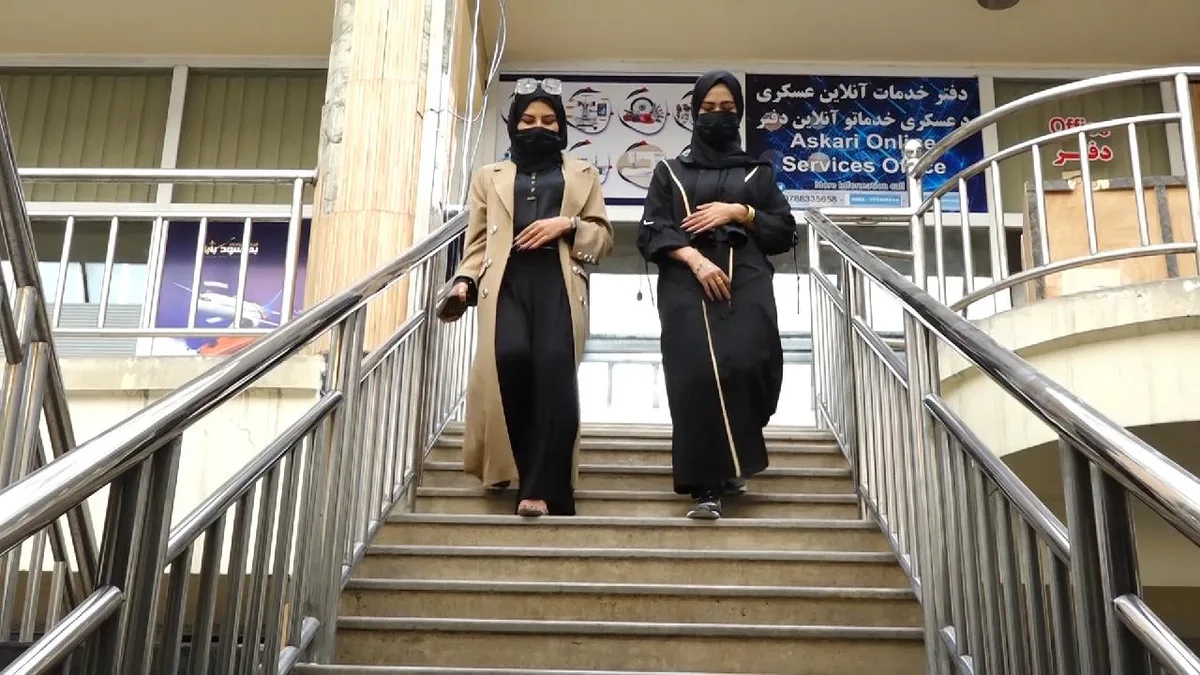
Five years after the Taliban returned to power, residents of Kabul continue to navigate a landscape shaped by economic instability and significant losses in access to education.
While daily life carries on in the Afghan capital, workers and young professionals face profound challenges amid the restrictions now shaping their lives.
In Kabul's bustling Shahr-e Naw neighborhood, daily routines continue against a backdrop of major economic changes.
Mohamad Sabir Sahibzada, a 44-year-old tailor, runs a workshop that employs 20 local residents.
"Around noon, in broad daylight, all the shops closed.
Rumors spread that the government had collapsed," Sabir recalled of the day power changed hands.
"Over time, we adapted to the new environment, and business has even improved compared with before." But while Sabir has managed to keep his business afloat, he faces a deeply personal hardship at home: his three daughters are unable to continue their education beyond secondary school.
"It is a difficult feeling when you cannot do anything for your children and loved ones," he said.
At the workshop, Sabir is joined by his 14-year-old son, Mehdi, an eighth-grade student who works alongside his father after school.
"I love my father.
He has been my supporter.
Whenever I'm here with him, I enjoy his company," Mehdi said.
Elsewhere in the capital, former Kabul University student Nazaneen Mohamadi has forged a new career by establishing an independent consultancy offering visa and digital marketing services, despite the restrictions that have narrowed professional opportunities for women.
"It was my second year studying at Kabul University when they told us that the universities were shut," Mohamadi said.
此摘要由5News从媒体的公开信息源汇聚而成。 包含完整背景的全文在www.cgtn.com — 内容归CGTN World (oficial)所有。