One year after Gaza ceasefire: A truce without a clear path to peace
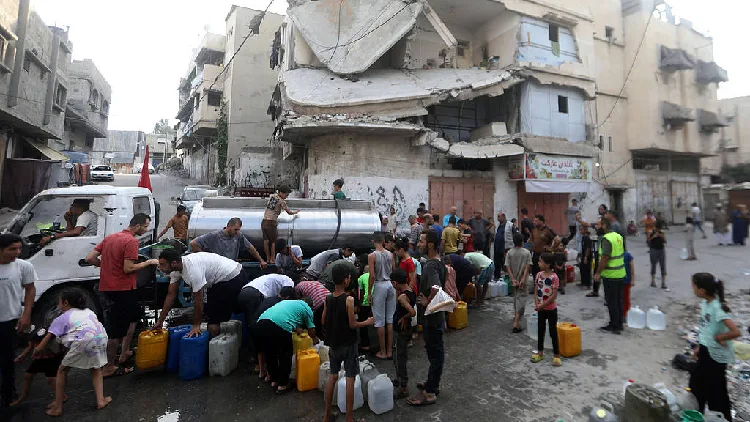
On October 10, 2025, the first phase of a ceasefire agreement between Israel and Hamas took effect, halting nearly two years of fighting in Gaza.
A year later, however, violence continues, plans for postwar governance remain stalled and reconstruction faces a massive funding shortfall.
Despite decades of diplomatic efforts, a lasting settlement to the Israeli-Palestinian conflict remains elusive.
Deep-rooted historical grievances, disputes over territory and Palestinian statehood, and persistent security concerns continue to undermine international peace efforts.
The Gaza ceasefire has done little to resolve these underlying issues.
With key questions over security, governance and the future of the Palestinian people still unanswered, the path from a fragile truce to a lasting political settlement remains uncertain.
Violence and Israeli expansion continue Under the first phase of the agreement, Israel suspended major military operations and withdrew from parts of Gaza.
The remaining Israeli hostages held in the territory were released, while Israel also freed hundreds of Palestinian prisoners and detainees.
Although large-scale fighting has not resumed, sporadic clashes and Israeli airstrikes have continued.
Gaza's health authorities say at least 1,400 Palestinians, including women and children, have been killed since the ceasefire took effect.
The Israeli military says its strikes have targeted Hamas militants and accuses the group of attempting to rearm.
Hamas has denied the allegation.
Meanwhile, the area under Israeli military control has continued to expand.
The so-called Yellow Line established under the first phase of the ceasefire initially placed around 53% of Gaza under Israeli control.
此摘要由5News从媒体的公开信息源汇聚而成。 包含完整背景的全文在www.cgtn.com — 内容归CGTN Politics (oficial)所有。