Power, not chips, will decide where Asia’s AI gets built
[The content of this article has been produced by our advertising partner.]
Hong Kong is asking for more computing power and for the electricity to stay clean and steady while it arrives.
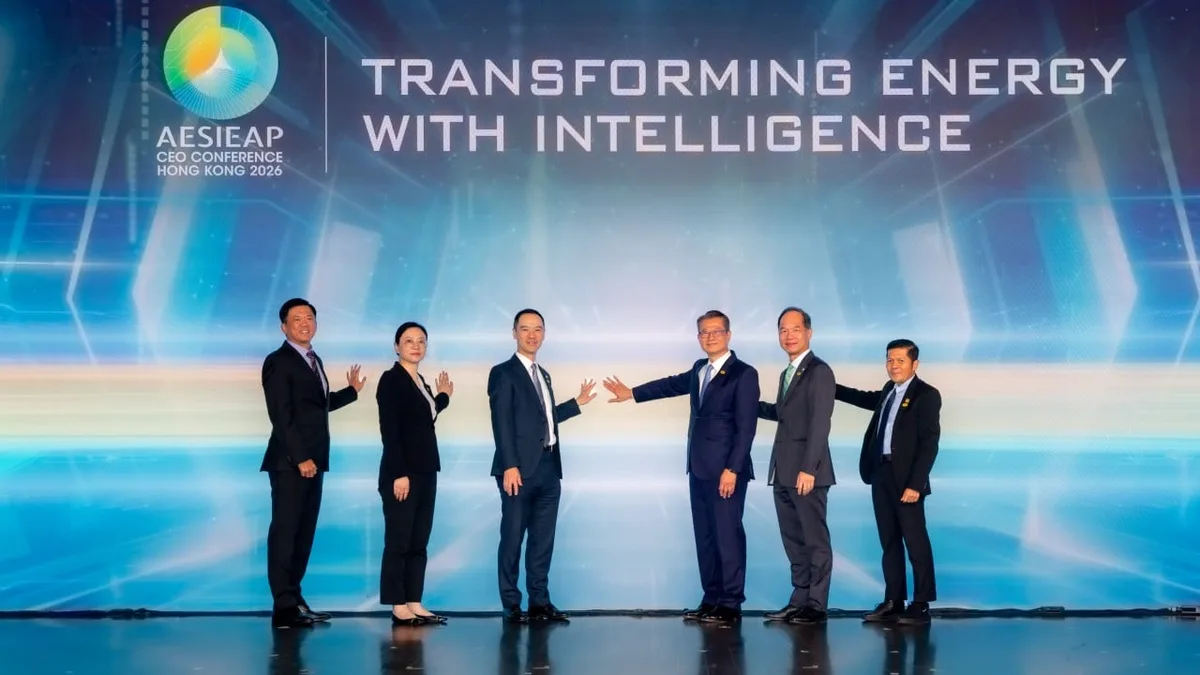
That was the bind put to regional utility executives on September 15 by Joseph Law, president of AESIEAP and managing director of CLP Power. It also aligned with the city’s first five-year development blueprint and the priorities set out in the Chief Executive’s 2026 Policy Address.
Construction of the Sandy Ridge Data Facility Cluster has already begun. By 2032 it is meant to deliver 180,000 petaflops, about 36 times Hong Kong’s present computing power.
The government’s stated direction for that work is “high efficiency computing power, stable electricity supply, low-carbon transition”. Years of decarbonisation efforts were planned for a different pace of demand growth. The rapid rise of generative AI and data centres is now reshaping assumptions about future electricity demand, creating new challenges for power systems across the region.
Citing the International Energy Agency’s “Age of Electricity”, Law said electricity demand is growing 50 per cent faster each year than the average of the past decade. It is also growing at least two and a half times as fast as energy demand as a whole.
The change that matters is the kind of load turning up. Geopolitics, extreme weather, electric vehicles and AI-driven data centres are coming together, “in places and at a pace that challenges our planning frameworks”.
That emphasis on collaboration echoed a broader message throughout the conference. While AI and data centre demand dominated many discussions, the broader message from Hong Kong was equally clear that the future of energy will be shaped not only by technology, but also by stronger regional cooperation, deeper partnerships and a more connected energy ecosystem.
In his keynote address, Financial Secretary Paul Chan said Hong Kong would play its part as “super connector” and “super value-adder” by deepening collaboration across borders and sectors, making green standards work better across markets and strengthening regional energy co-operation.
“Energy policy, in this sense, is also industrial policy,” he said, adding that access to clean, reliable and affordable power will help decide where firms put money.
Several international delegates noted that Hong Kong's unique position as a bridge between the Chinese Mainland and international markets makes it an ideal venue for regional energy dialogue. Beyond finance and professional services, the city provides a platform where policymakers, utilities, investors and technology innovators can exchange ideas and explore practical solutions to shared challenges facing the region.
AI-driven electricity demand, he said, is growing at a scale and speed the industry has never experienced before. Growth in computing power demand outpaces generation and grid infrastructure.
The old model, in which a developer picks a site before utility infrastructure planning begins, has evolved.
此摘要由5News从媒体的公开信息源汇聚而成。 包含完整背景的全文在www.scmp.com — 内容归South China Morning Post - Business所有。