Why rising heat is Asia’s next major health challenge
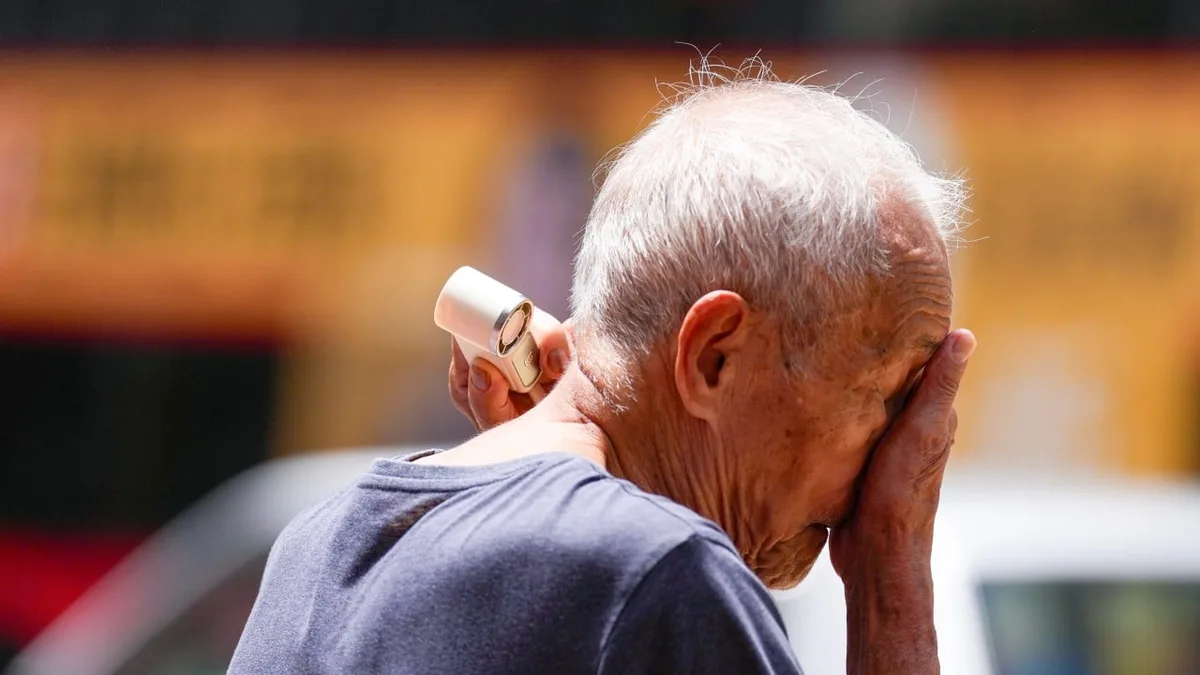
Higher temperatures are putting new pressure on health systems across the region, prompting a broader push for awareness, prevention and earlier action
Across the globe – and Asia in particular – the link between a changing climate and human health is becoming harder to ignore. Home to an estimated 60 per cent of the world’s population, Asia is warming faster than the global average and ranks among the planet’s most climate-disaster-prone regions.
Yet public awareness has not kept pace with the scale of the threat. In Hong Kong, many residents remain unaware of the health risks posed by rising temperatures; they are also unaware of how simple behavioural changes could help reduce their exposure.
Densely populated cities face particular risks. Concrete-heavy urban environments can trap heat, while air pollution, changing disease patterns and extreme weather events add to the burden. In 2024, Hong Kong recorded its hottest year on record, with 52 “very hot days” and 50 “hot nights”. This month, the city witnessed its hottest day on record.
The “Climate and Health in Asia” report, produced by Forum for the Future and sponsored by AIA, describes extreme heat as a growing threat to population health. The risks are particularly acute in cities, where polluted air and the urban heat-island effect can compound exposure and keep temperatures elevated after sunset, prolonging exposure and endangering those most at risk.
Asia’s rapidly ageing population must also be considered. By 2050, one in four people in the region are expected to be over 60, according to the report, increasing healthcare demand just as climate-related risks accelerate.
“Human health is strongly determined by environmental health,” says Emily Chan, assistant dean and professor of Chinese University of Hong Kong’s Faculty of Medicine. “With climate change, there is a direct, visible and palpable impact on the population in Hong Kong. Research here shows that temperature extremes, sudden changes and especially summer heat have specific effects on mortality and morbidity across a range of diseases, as well as on the ability of the health system to cope.”
Hot nights intensify the problem. “Research in Hong Kong found that a 24-hour cycle gives the community a chance to recover if nights are cooler than the daytime,” Chan says. “When the evening cooling period is shortened or disappears during periods of extreme heat, the risk multiplies for the general population, especially for vulnerable groups.”
For Amita Chaudhury, AIA’s group head of sustainability and chair of the United Nations Principles for Sustainable Insurance Board, one of the biggest challenges is that climate-related health risks continue to be seen in isolation.
此摘要由5News从媒体的公开信息源汇聚而成。 包含完整背景的全文在www.scmp.com — 内容归South China Morning Post - Business所有。