2026年10月9日星期五 媒体关于🌓
🇨🇳 CN ▾
快讯
› Venezuela’s Maduro and wife Flores tortured US citizens to stay in power: US prosecutors› The long-deployed USS Abraham Lincoln returns home to San Diego from Middle East› US probes Harvard, Yale, MIT, other universities over alleged visa fraud, with China focus› German official killed, another injured during firearms inspection› UK navy sailor appears in London court on charges of spying for Russia› China’s BYD considering lithium battery plant in Argentina, foreign minister says› Trump says US will not attack Iran before November’s midterm elections› Trump misnames Muslim senate candidate Abdul El-Sayed ‘Mohammed’› UK Ministry of Defence patrols arrest 2 Latvians near RAF base› HKTDC’s twin electronics fairs put Hong Kong in pole position› Venezuela’s Maduro and wife Flores tortured US citizens to stay in power: US prosecutors› The long-deployed USS Abraham Lincoln returns home to San Diego from Middle East› US probes Harvard, Yale, MIT, other universities over alleged visa fraud, with China focus› German official killed, another injured during firearms inspection› UK navy sailor appears in London court on charges of spying for Russia› China’s BYD considering lithium battery plant in Argentina, foreign minister says› Trump says US will not attack Iran before November’s midterm elections› Trump misnames Muslim senate candidate Abdul El-Sayed ‘Mohammed’› UK Ministry of Defence patrols arrest 2 Latvians near RAF base› HKTDC’s twin electronics fairs put Hong Kong in pole position
科技

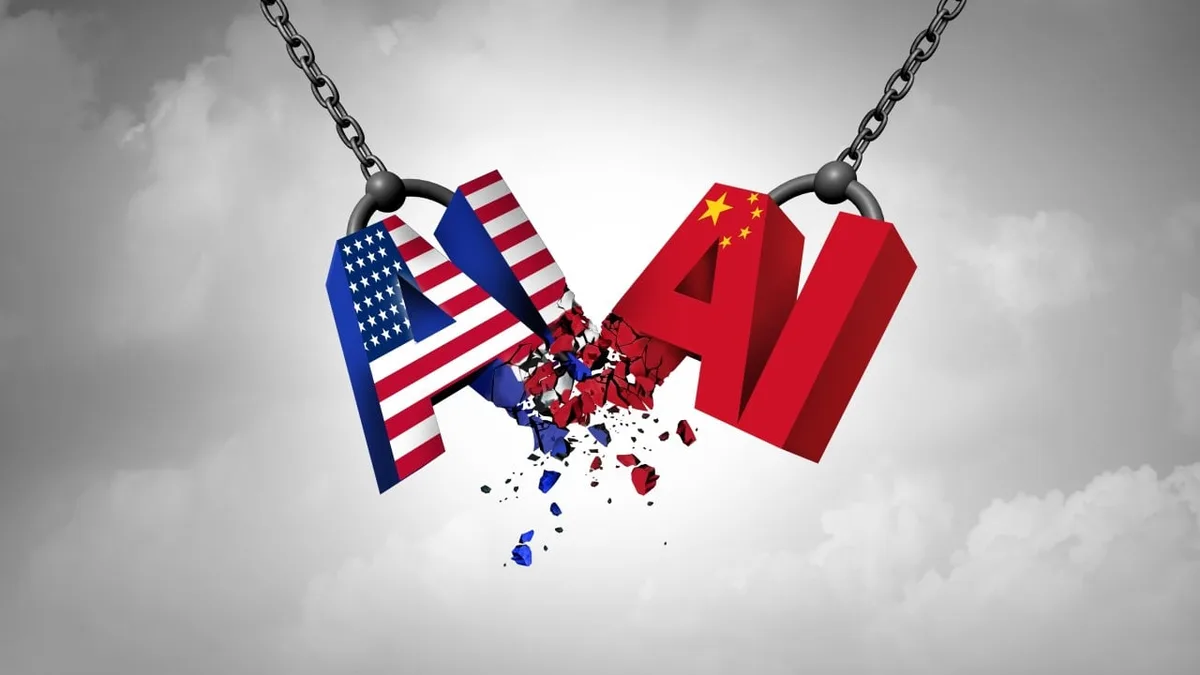
The US and China are racing to build ‘self-improving AI’. Here’s what’s at stake
South China Morning Post - Tech ·
The US and China are racing to build ‘self-improving AI’. Here’s what’s at stake

Both sides view ‘recursive self-improvement’ as a game-changer in the AI race. But who will get there first – and will it endanger us all?

The US-China race for artificial intelligence dominance has entered a new phase: using AI to build better AI.

Leading AI companies in the United States and China are increasingly focused on deploying advanced models to write code, design experiments, and develop training techniques that can be used to improve more powerful models.

The ultimate goal is to achieve what the industry refers to as recursive self-improvement (RSI) – the creation of AI systems that can train themselves autonomously.

RSI has the potential to be a game-changer for the AI industry. As AI systems contribute to building more capable successors, which in turn become better at improving the next generation, the process could create an accelerating feedback loop – propelling the evolution of AI onto a new trajectory.

In a blog post last week , OpenAI said it aimed to build an automated AI researcher capable of advancing deep learning research, though it was still unsure “how to safely get all the way to aligned, full RSI”. The company described its GPT-6 Astra model, released in early September, as “the world’s most intelligent and aligned model”.

在South China Morning Post - Tech阅读完整文章 ›

此摘要由5News从媒体的公开信息源汇聚而成。 包含完整背景的全文在www.scmp.com — 内容归South China Morning Post - Tech所有。

更多来自South China Morning Post - Tech的报道

查看全部 ›

更多科技新闻

查看全部 ›