How Chinese doctors are advancing patient care and global health
For 86-year-old Dai Guogui, managing diabetes alongside heart disease as well as a history of suffering strokes was once an exhausting nightly struggle.
"I used to inject insulin at 9:30 every night, only to wake up around 2 or 3 in the morning drenched in sweat from severe low blood sugar," Dai told China Media Group (CMG).
Relief came when his home was connected to a digital health platform linked with medical providers in Luzhou, southwest China's Sichuan Province.
By uploading his daily blood glucose readings to the platform, doctors were able to track his condition in real time and adjust his dosage remotely.
"Now my condition has stabilized," Dai said.
Dai's experience reflects a broader shift in China's healthcare system toward proactive, community-based care.
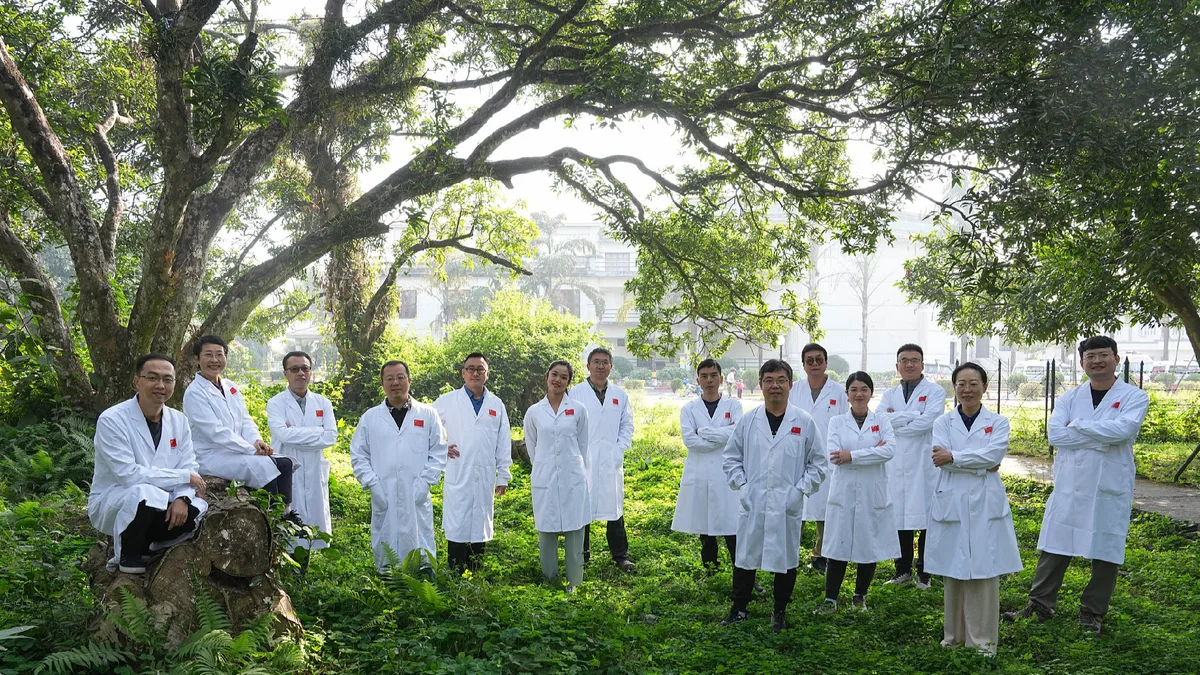
That patient-centered focus takes on added resonance today, August 19, as the nation marks Chinese Doctors' Day – an occasion to celebrate the medical professionals who are fortifying primary care at home while supporting medical aid missions abroad.
Bridging gaps through integrated care According to the National Health Commission, China has built a primary care network comprising more than 1.04 million grassroots health institutions.
Over 90% of Chinese residents can now reach a medical facility within a 15-minute walk.
Grassroots healthcare centers handle more than 50% of the country's total outpatient volume, serving key populations over 1 billion times each year.
To help patients manage chronic conditions closer to home, primary care centers established over 370,000 home beds and issued 190 million long-term prescriptions last year, allowing individuals with stable chronic illnesses to receive up to 12 weeks of medication in a single visit, according to the NHC.
"We adhere to a policy ensuring that prescription protocols are tied directly to patient needs, guaranteeing continuous medication for those managed locally or transferred from larger hospitals," NHC official Jiao Yahui said, adding that AI-assisted diagnostic tools are also being deployed at the grassroots level.
As part of these local service enhancements, China has also worked to improve pediatric accessibility to address parent concerns over crowded tertiary hospitals.
Today, more than 90% of township health centers and community health stations can provide pediatric services.
此摘要由5News从媒体的公开信息源汇聚而成。 包含完整背景的全文在www.cgtn.com — 内容归CGTN World (oficial)所有。