2026年10月9日星期五 媒体关于🌓
🇨🇳 CN ▾
快讯
› Hong Kong rejects US downgrade to lowest tier in human trafficking report› Pentagon unveils US$350 million quantum computing push as China rivalry grows› After failed US execution, Christa Pike is walking but mentally ‘foggy’, lawyer says› Venezuela’s Maduro and wife Flores tortured US citizens to stay in power: US prosecutors› The long-deployed USS Abraham Lincoln returns home to San Diego from Middle East› US probes Harvard, Yale, MIT, other universities over alleged visa fraud, with China focus› German official killed, another injured during firearms inspection› UK navy sailor appears in London court on charges of spying for Russia› China’s BYD considering lithium battery plant in Argentina, foreign minister says› Trump says US will not attack Iran before November’s midterm elections› Hong Kong rejects US downgrade to lowest tier in human trafficking report› Pentagon unveils US$350 million quantum computing push as China rivalry grows› After failed US execution, Christa Pike is walking but mentally ‘foggy’, lawyer says› Venezuela’s Maduro and wife Flores tortured US citizens to stay in power: US prosecutors› The long-deployed USS Abraham Lincoln returns home to San Diego from Middle East› US probes Harvard, Yale, MIT, other universities over alleged visa fraud, with China focus› German official killed, another injured during firearms inspection› UK navy sailor appears in London court on charges of spying for Russia› China’s BYD considering lithium battery plant in Argentina, foreign minister says› Trump says US will not attack Iran before November’s midterm elections
国际

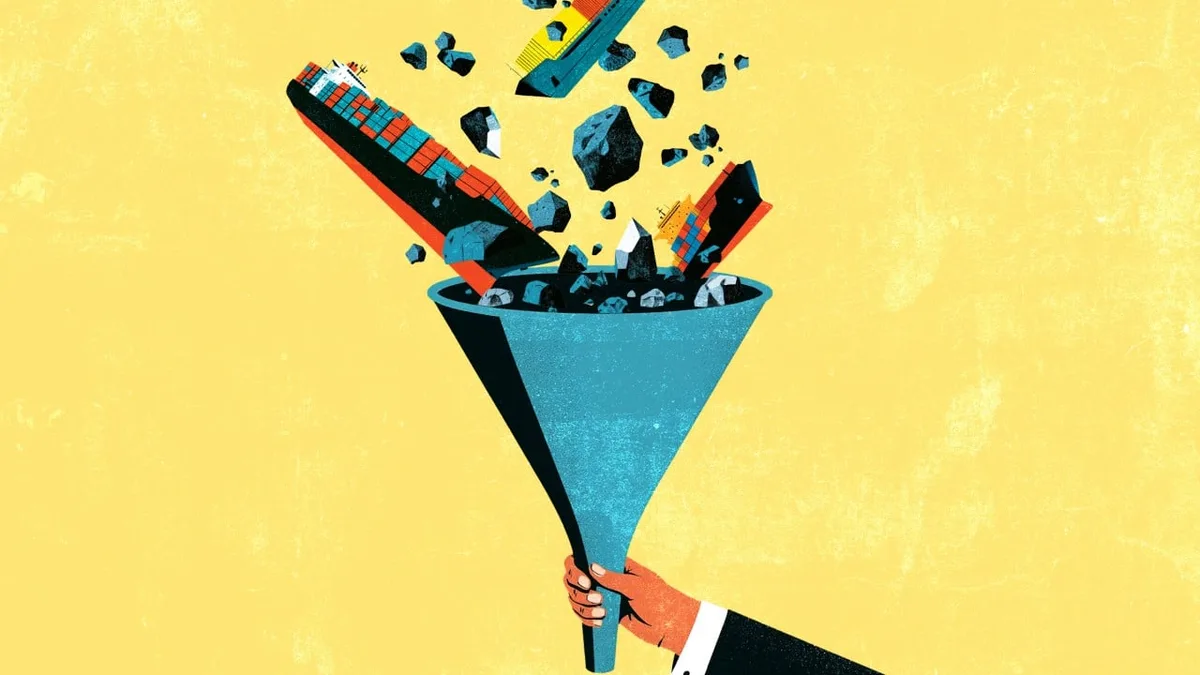
Chokepoints and the cost of cutting off access
South China Morning Post - World ·
Chokepoints and the cost of cutting off access

The most dangerous chokepoint may not be the narrowest strait or rarest tech but where the final decision rests with the fewest people

It exposed a question hidden inside every chokepoint. We usually ask where dependence is concentrated: a strait, mineral, technology, network. But three simpler questions matter. How much depends on it? What does it take to use it? Who decides?

The threshold of a chokepoint lies in the second question: what someone must risk, in blood, money, law or reputation, before leverage becomes action.

China has lived with the first question for more than two decades. In 2003, then president Hu Jintao warned that “certain major powers” could control the Strait of Malacca, exposing China’s dependence on imported energy. Beijing gave the anxiety a name: the “Malacca dilemma”.

Twenty years on, that fear has bought a navy. Malacca did not by itself drive Beijing’s naval build-up; Taiwan, territorial disputes and great-power competition all mattered. But vulnerability at sea helped define the problem. If you cannot control the passage, build enough capability to make anyone contemplating its closure think harder about the consequences.

在South China Morning Post - World阅读完整文章 ›

此摘要由5News从媒体的公开信息源汇聚而成。 包含完整背景的全文在www.scmp.com — 内容归South China Morning Post - World所有。

更多来自South China Morning Post - World的报道

查看全部 ›

更多国际新闻

查看全部 ›