2026年10月9日星期五 媒体关于🌓
🇨🇳 CN ▾
快讯
› Hong Kong rejects US downgrade to lowest tier in human trafficking report› Pentagon unveils US$350 million quantum computing push as China rivalry grows› After failed US execution, Christa Pike is walking but mentally ‘foggy’, lawyer says› Venezuela’s Maduro and wife Flores tortured US citizens to stay in power: US prosecutors› The long-deployed USS Abraham Lincoln returns home to San Diego from Middle East› US probes Harvard, Yale, MIT, other universities over alleged visa fraud, with China focus› German official killed, another injured during firearms inspection› UK navy sailor appears in London court on charges of spying for Russia› China’s BYD considering lithium battery plant in Argentina, foreign minister says› Trump says US will not attack Iran before November’s midterm elections› Hong Kong rejects US downgrade to lowest tier in human trafficking report› Pentagon unveils US$350 million quantum computing push as China rivalry grows› After failed US execution, Christa Pike is walking but mentally ‘foggy’, lawyer says› Venezuela’s Maduro and wife Flores tortured US citizens to stay in power: US prosecutors› The long-deployed USS Abraham Lincoln returns home to San Diego from Middle East› US probes Harvard, Yale, MIT, other universities over alleged visa fraud, with China focus› German official killed, another injured during firearms inspection› UK navy sailor appears in London court on charges of spying for Russia› China’s BYD considering lithium battery plant in Argentina, foreign minister says› Trump says US will not attack Iran before November’s midterm elections
经济

Gene-editing therapies not yet ready for human trials, Stanford expert says
South China Morning Post - Business ·
Gene-editing therapies not yet ready for human trials, Stanford expert says

Gene-editing therapies for the nervous system may need at least another round of studies before they are safe enough to enter human trials, according to one of the world’s most influential figures in the commercialisation of brain science.

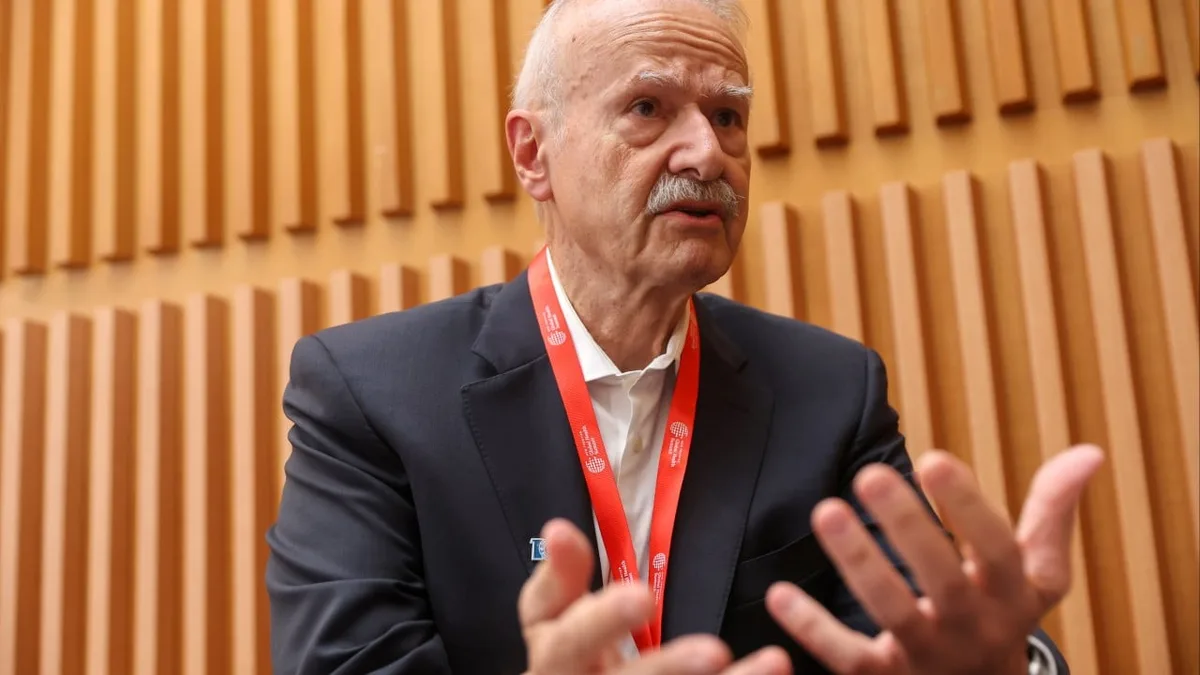
“The techniques are reasonably well established for animal experiments, but they really haven’t been as mature for human studies,” said Karoly Nikolich, an adjunct professor at Stanford University School of Medicine, in an exclusive interview with the South...

在South China Morning Post - Business阅读完整文章 ›

此摘要由5News从媒体的公开信息源汇聚而成。 包含完整背景的全文在www.scmp.com — 内容归South China Morning Post - Business所有。

更多来自South China Morning Post - Business的报道

查看全部 ›

更多经济新闻

查看全部 ›