Expert: Japan's nuclear submarine push reveals political calculations
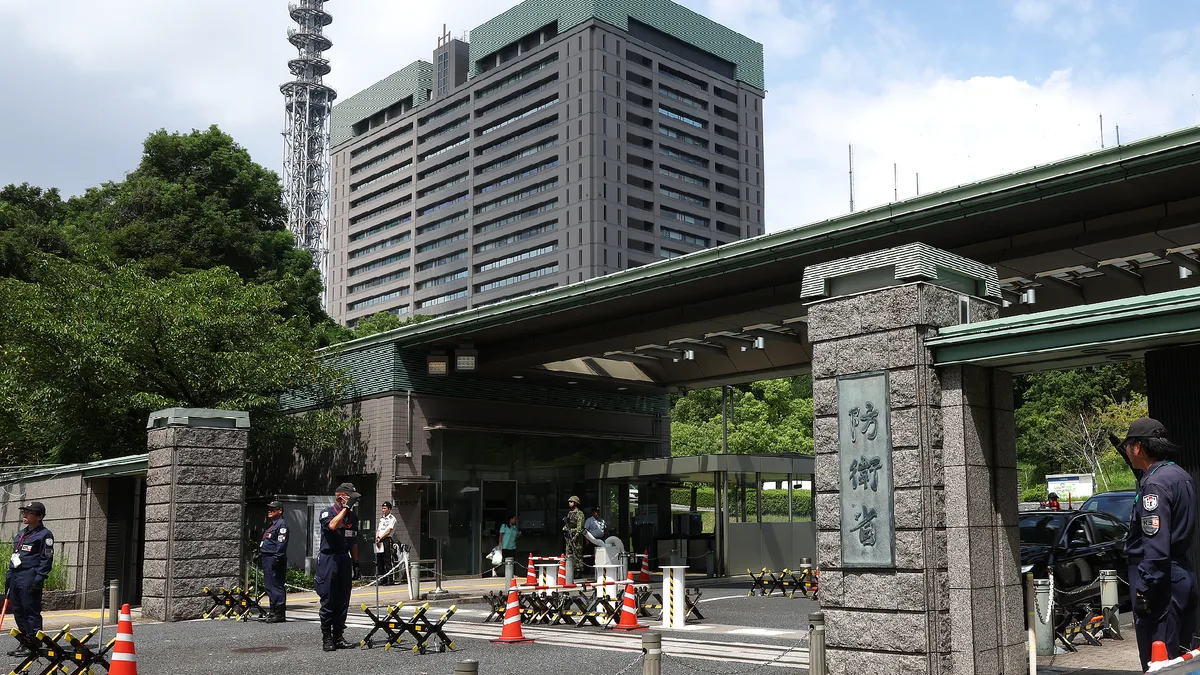
The Japanese government is considering including wording about "studying the introduction of nuclear-powered submarines for the Self-Defense Forces" in its planned revision of three key security documents within the year, sources said on Wednesday, a move that has drawn opposition inside Japan.
The attempt to write research on acquiring nuclear-powered submarines into the revision process exposes several political calculations on the part of the Japanese government, said Meng Mingming, an assistant research fellow at the Institute of Japanese Studies under the Chinese Academy of Social Sciences.
First, a "salami-slicing" tactic to pry open a breach in the Three Non-Nuclear Principles.
Right-wing forces led by Prime Minister Sanae Takaichi have long advocated a so-called "rethinking" of the Three Non-Nuclear Principles – Japan's stated policy of not possessing, not producing and not permitting the introduction of nuclear weapons.
Chief Cabinet Secretary Minoru Kihara and Defense Minister Shinjiro Koizumi have also repeatedly said Japan should discuss acquiring nuclear-powered submarines.
But as a country defeated in World War II, Japan's public has long been shaped by its pacifist constitution and a strong anti-nuclear consciousness.
Any open attempt by the Takaichi government to introduce nuclear-powered submarines now would inevitably trigger strong criticism and pushback both at home and abroad, Meng said.
By using low-sensitivity phrasing such as "research" and "discussion," Takaichi is testing the outside world's bottom line and dulling vigilance and aversion toward nuclear-related military issues in a bid to legitimize and normalize an untouchable nuclear taboo over time and to reserve a springboard for subsequent policy discussions, the expert said.
Second, a bid to break completely through the limits of Japan's "exclusively defense-oriented policy" and seek an offensive capability for prolonged confrontation in the deep seas and open oceans.
Unlike conventionally powered submarines, which are positioned for coastal operations, nuclear-powered submarines can stay submerged for long periods and covertly deliver long-range strike weapons, making them highly threatening offensive weapons, Meng said, adding that Japan is substantively building an open-ocean military system capable of fighting and sustaining a war.
Third, the nuclear-sounding is a risky move riding on US strategic adjustments, aimed at shaking off the postwar regime.
As the United States finds it increasingly difficult to sustain its hegemony, it has in recent years sought to foster Japan's "strategic autonomy" to share the pressure, Meng said.
Maintaining and extending US deterrence in East Asia through a nuclear-armed Japan is one option on the table.
此摘要由5News从媒体的公开信息源汇聚而成。 包含完整背景的全文在www.cgtn.com — 内容归CGTN Politics (oficial)所有。