EU unveils measures to curb high energy costs
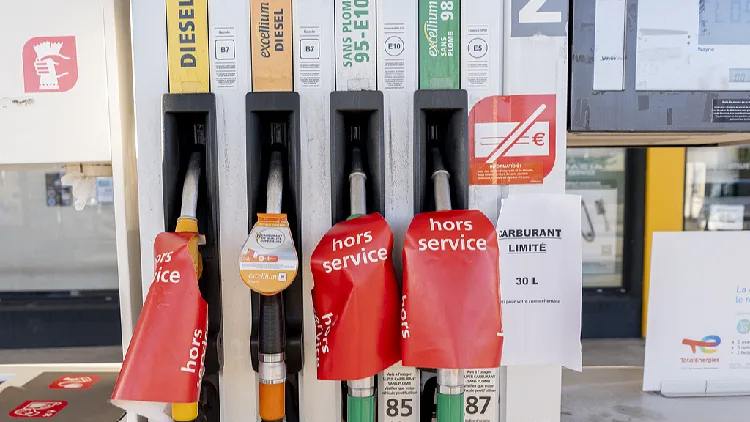
High energy costs are putting growing pressure on European households and businesses, prompting the European Union to step up efforts to stabilize supplies, contain prices and reduce its reliance on imported fossil fuels.
European Commission President Ursula von der Leyen said on Tuesday that gas prices in Europe have risen 140% since the end of February, while diesel prices have doubled.
The higher cost of imported fossil fuels has added about 100 billion euros (around $112 billion) to Europe's energy bill without increasing the amount of energy available, she said.
With winter approaching, the pressure on businesses and households could intensify, von der Leyen warned.
The energy shock has been exacerbated by disruptions to energy transport through the Strait of Hormuz following the US-Israeli military campaign against Iran.
The disruption has sent global oil and fuel markets into turmoil and tightened supplies of refined products in Europe.
The European Commission said earlier this month that EU diesel supplies remained stable for the time being, but prices remained high amid tight global markets.
Transport sector feels the squeeze The impact is already being felt by European transport companies, particularly those heavily dependent on diesel.
Balazs Veres, managing director at Hungary's Supernova Intertrans, said fuel shortages and soaring diesel prices had created multiple challenges for the company, which operates about 200 trucks and is Hungary's third-largest international freight carrier.
"We have been constantly recalculating our costs and looking for ways to cope with this severe fuel crisis," Veres said, adding that smaller companies were particularly vulnerable because they had less working capital to absorb sudden cost increases.
Citing industry data, he said about 2,300 Hungarian transport companies had gone bankrupt or returned their transport licenses over the past five years, effectively leaving the domestic and international freight market.
Veres described freight transport as a barometer of economic activity, saying the sector often feels changes in the broader economy first.
"Our industry is the first to sense where the European economy is heading — when it is growing and when it is shrinking," he said.
"Freight activity has picked up slightly since early September, but we can see that the fuel crisis and the crisis caused by the prolonged war are having a considerable impact on the European economy." EU seeks to cut costs and diversify supplies To tackle soaring energy costs, von der Leyen outlined measures on both the supply and demand sides.
此摘要由5News从媒体的公开信息源汇聚而成。 包含完整背景的全文在www.cgtn.com — 内容归CGTN World (oficial)所有。