Chinese research team may have cracked secret to crossbreeding Asian and African rice
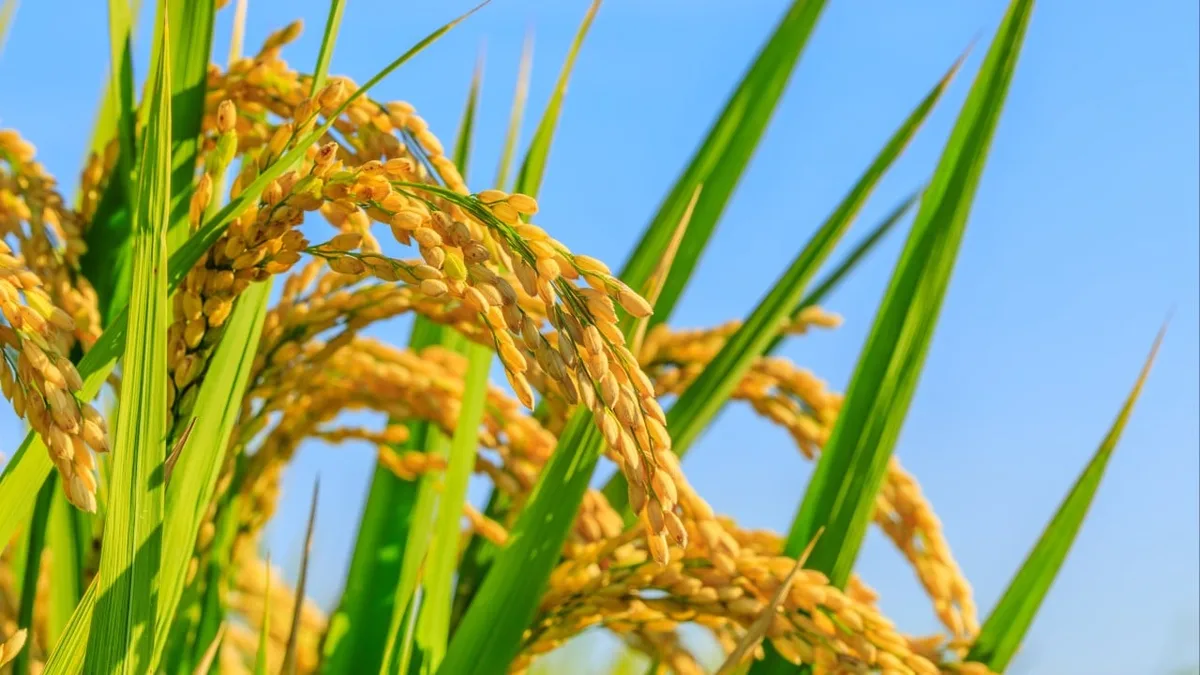
Scientists identified three genes that make it hard to combine the two varieties – and also highlighted a possible solution
While both Asian and African cultivated rices possess distinct strengths, crossing them often produces offspring with sterile pollen and low yields.
A research team has now identified three genes that act as a barrier to reproduction – and also a possible way round the problem.
“This discovery provides an important theoretical foundation and valuable genetic resources for breaking the reproductive barrier between rice species and breeding new, ultra-high-yielding hybrid rice varieties,” the official China Science Daily reported last Friday.
Such Asian-African crosses “could potentially increase yields by more than 10 per cent compared with existing Asian hybrid rice varieties”, one of the authors of the study told the newspaper.
The research, conducted by a team led by Wan Jianmin at Nanjing Agricultural University’s State Key Laboratory for Crop Genetics and Germplasm Enhancement and Utilisation, was published in the peer-reviewed journal Science on 28 August.
African and Asian rice are the only two species out of the 24 in the Oryza genus that have been domesticated to produce food for humans.
Asian rice offers high yields and excellent eating quality, making it a global staple.
此摘要由5News从媒体的公开信息源汇聚而成。 包含完整背景的全文在www.scmp.com — 内容归South China Morning Post - China所有。