2026年10月9日星期五 媒体关于🌓
🇨🇳 CN ▾
快讯
› Pentagon unveils US$350 million quantum computing push as China rivalry grows› After failed US execution, Christa Pike is walking but mentally ‘foggy’, lawyer says› Venezuela’s Maduro and wife Flores tortured US citizens to stay in power: US prosecutors› The long-deployed USS Abraham Lincoln returns home to San Diego from Middle East› US probes Harvard, Yale, MIT, other universities over alleged visa fraud, with China focus› German official killed, another injured during firearms inspection› UK navy sailor appears in London court on charges of spying for Russia› China’s BYD considering lithium battery plant in Argentina, foreign minister says› Trump says US will not attack Iran before November’s midterm elections› Trump misnames Muslim senate candidate Abdul El-Sayed ‘Mohammed’› Pentagon unveils US$350 million quantum computing push as China rivalry grows› After failed US execution, Christa Pike is walking but mentally ‘foggy’, lawyer says› Venezuela’s Maduro and wife Flores tortured US citizens to stay in power: US prosecutors› The long-deployed USS Abraham Lincoln returns home to San Diego from Middle East› US probes Harvard, Yale, MIT, other universities over alleged visa fraud, with China focus› German official killed, another injured during firearms inspection› UK navy sailor appears in London court on charges of spying for Russia› China’s BYD considering lithium battery plant in Argentina, foreign minister says› Trump says US will not attack Iran before November’s midterm elections› Trump misnames Muslim senate candidate Abdul El-Sayed ‘Mohammed’
中国新闻

Denisovan fossils in China reveal an ancient ‘hunting paradise’
South China Morning Post - China ·
Denisovan fossils in China reveal an ancient ‘hunting paradise’

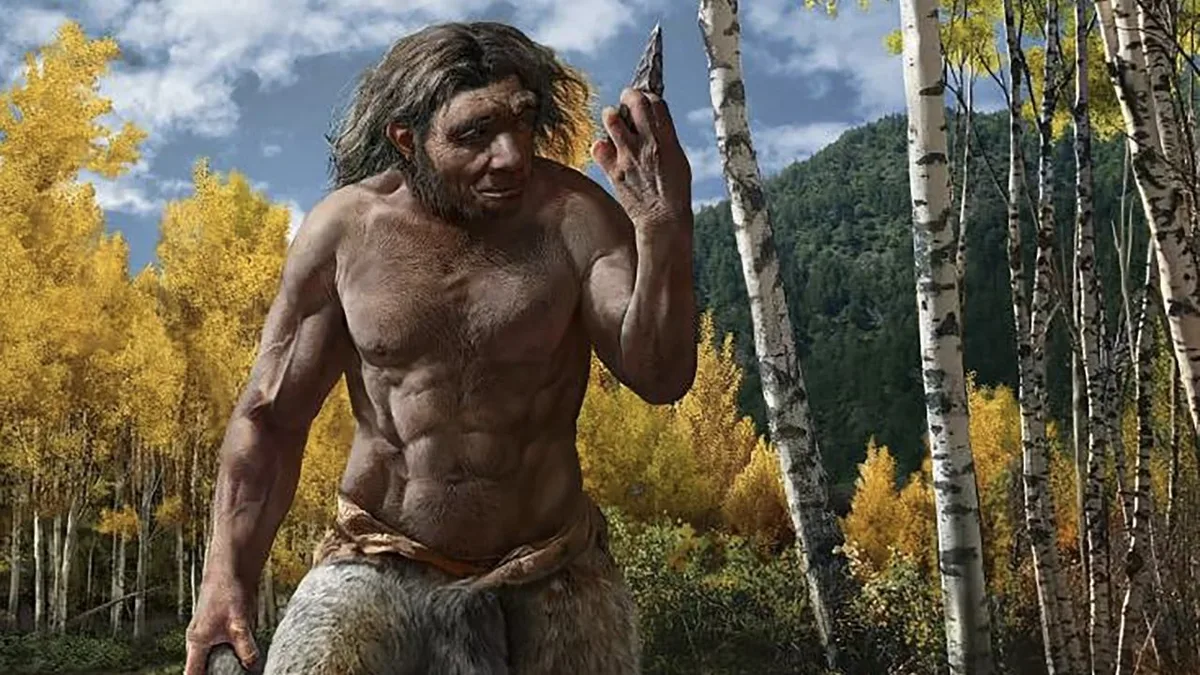
Discoveries in southwest China’s Yunnan fill a geographic gap, uncovering how Denisovans lived as expert hunters of animals such as deer

Within the region’s coniferous forests and forest-steppe environments, this archaic human group established a stable subsistence pattern highly adapted to local resources through specialised hunting and the intensive exploitation of animals.

The extinct Denisovans once roamed Eurasia, having diverged from modern humans ( Homo sapiens ) and Neanderthals several hundred thousand years ago.

Since Denisovans were first identified in 2010, research has yielded only a handful of molecularly identified remains, leaving scientists with a limited understanding of the species.

On September 9, two papers co-authored by researchers from institutions including the Chinese Academy of Sciences (CAS) and the Yunnan Provincial Institute of Cultural Relics and Archaeology were published simultaneously in Nature. The two papers overlap in their study focus and some of the researchers are cited as authors on both papers.

One paper, titled “Ancient proteins identify various Denisovan remains from southwest China”, said the findings “establish Bianfu Cave as a Denisovan locality yielding the most abundant remains of this hominin group outside Denisova Cave in Siberia”.

在South China Morning Post - China阅读完整文章 ›

此摘要由5News从媒体的公开信息源汇聚而成。 包含完整背景的全文在www.scmp.com — 内容归South China Morning Post - China所有。

更多来自South China Morning Post - China的报道

查看全部 ›

更多中国新闻新闻

查看全部 ›