Afghanistan struggles with massive returnee influx
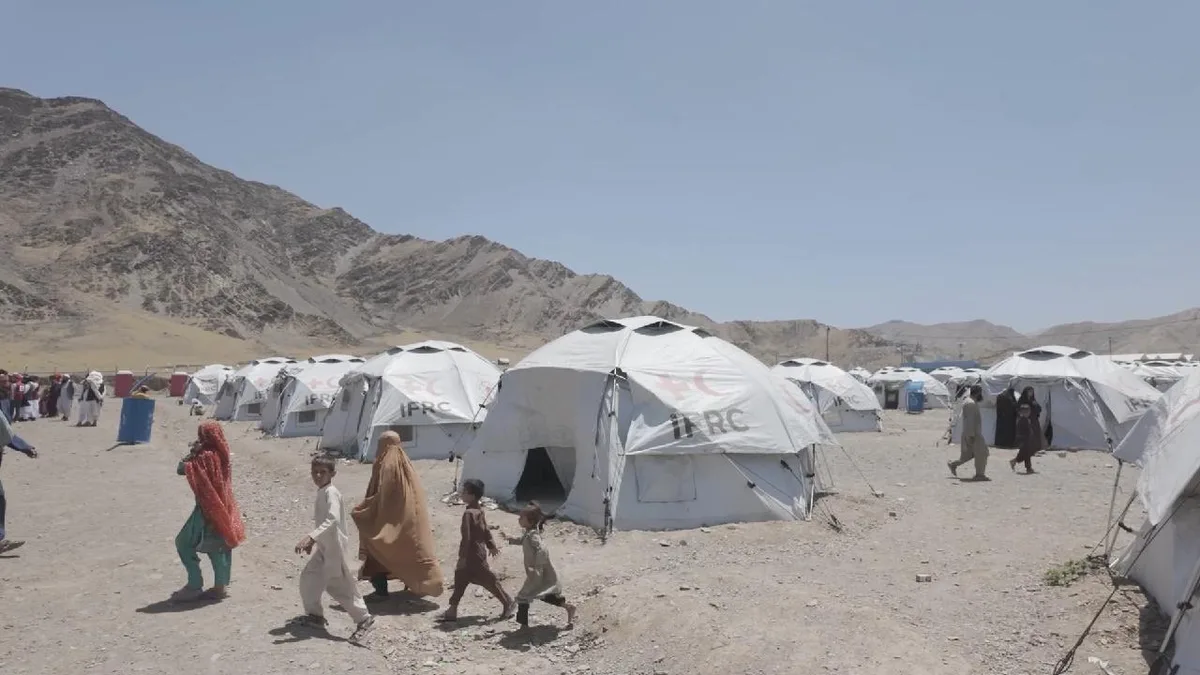
Five years after the Taliban returned to power, Afghanistan is confronting a severe humanitarian crisis as millions of Afghans are forcibly deported or returned from neighboring Iran and Pakistan, placing intense strain on the country's limited basic services.
While the streets of Kabul may appear largely unchanged, the reality for returning families is far from a reprieve.
Many are arriving back to a weak economy with few available resources.
Shah Wali, who was deported from Pakistan after spending 28 years there, arrived at a temporary returnee camp in Kabul with his family of seven, carrying only what they could hold.
"The suffering we have endured is unforgettable, but we have to leave it behind and move forward," Wali said as his family prepared to head to northern Mazar-i-Sharif.
"God willing, we will rebuild our lives from here." The wave of returns has separated families and left many reliant on government aid.
Mohamad Tajik, recently deported from Iran, returned to Afghanistan with his second wife, while his three sons remain in Iran and his first wife resides in Kunduz.
"My wish is to build a better life for my family.
I would like to buy a cow or start something small so we can support ourselves," said Laila Tajik, Mohamad’s second wife.
But uncertainty looms large for many returnees.
"If things do not work out here, I may have no choice but to seek refuge in another country," Mohamad Tajik noted.
"When life becomes impossible, people are forced to leave." According to the Taliban authorities, around 8 million refugees have returned since the administration retook power in 2021.
Official representatives say a dedicated high commission is facilitating housing, employment, and aid distribution across various provinces.
"Fifty seven new townships are planned.
此摘要由5News从媒体的公开信息源汇聚而成。 包含完整背景的全文在www.cgtn.com — 内容归CGTN World (oficial)所有。