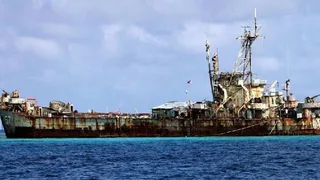
US-Iran conflict fuels mounting tensions across Middle East
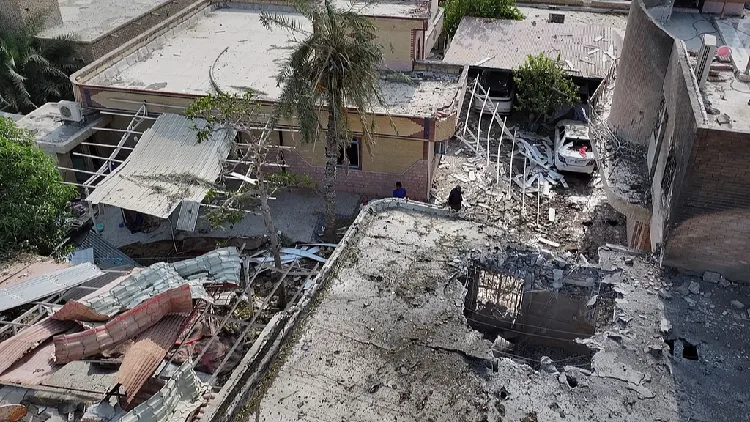
The ongoing US-Iran conflict continues to reshape the security and energy landscape across the Middle East.
US President Donald Trump on Friday said the war would end soon and reiterated that Iran would not be allowed to possess nuclear weapons.
He also said domestic gasoline prices would fall back to previous levels, or even lower, once the conflict ends.
Trump added that the United States is in contact with Yemen's Houthi group.
Meanwhile, the reported US military death toll in the conflict has become a point of dispute, while Saudi Arabia faces growing security pressure from Houthi attacks and increasing risks to its oil export routes.
US military death toll disputed Trump's latest remarks came as questions emerged over the human cost of the US-Iran conflict.
Citing six US officials familiar with internal Pentagon casualty data, the Washington Post reported on Friday that the actual number of US military deaths during the war in the Middle East is higher than the figure publicly disclosed by the US Department of Defense.
Five of the officials said at least 22 US service members had been killed, four more than the figure shown in the Pentagon's Defense Casualty Analysis System.
Another official put the number at 23 since the United States and Israel launched joint strikes against Iran on February 28, while noting that not all of the previously undisclosed deaths were directly related to the conflict.
US Defense Secretary Pete Hegseth later denied the report in a post on X, calling the report "a complete LIE." Saudi Arabia faces pressure on key oil routes The widening tensions are posing a particular challenge to Saudi Arabia, one of the world's largest oil exporters.
The US-Iran conflict has severely disrupted shipping through the Strait of Hormuz, while escalating hostilities between Saudi Arabia and Yemen's Houthi group are threatening another major export route through the Red Sea.
According to the International Energy Agency (IEA), about 20 million barrels per day of crude oil and petroleum products passed through the Strait of Hormuz in 2025, accounting for roughly one quarter of global seaborne oil trade.
Since the US and Israel launched joint strikes against Iran in February, traffic through the waterway has remained subdued.
Saudi Arabia has sought to reduce its reliance on the strait by using the East-West Pipeline, which carries oil to Yanbu Port on the Red Sea coast.
此摘要由5News从媒体的公开信息源汇聚而成。 包含完整背景的全文在www.cgtn.com — 内容归CGTN World (oficial)所有。