Polish Cinematographer Artur Zurawski on working with Salman Khan and Rani Mukerji
Account subscription benefits alongside Premium Stories, Editorials, Opinions and more. Unlock these with Subscription
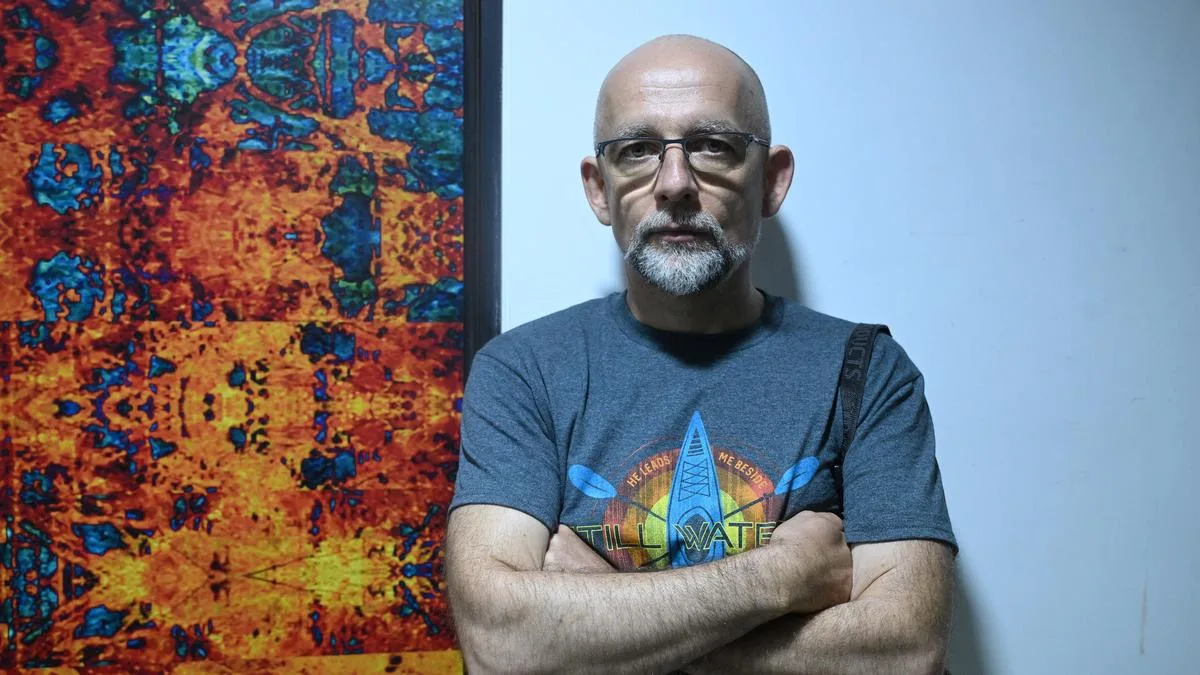
Artur Zurawski, Polish cinematographer during a interview in New Delhi on Saturday. | Photo Credit: SUSHIL KUMAR VERMA
Of late, Indian filmmakers are looking for an outside eye to realise their creative vision. They are turning to European directors of photography to give their celluloid dreams a shade of everyday reality. One of the most significant names of this surge is Artur Żurawski, whose lens work has redefined the visual language of commercial Hindi cinema. After capturing a monsoon-soaked Goa in Kaizad Gustad’s Jackpot , the Polish cinematographer pivoted to raw realism when he injected a documentary-style grit into the Bollywood thriller Mardaani . Then he grounded Salman Khan’s Sultan, a sports spectacle in Haryanvi texture, and this year he reunited with Rani Mukerji to frame the third installment of Mardaani .
In Delhi for his solo exhibition of still photographs with the Polish Institute, Artur says his role is to bring larger-than-life stories closer to life without making the experience too exotic for the audience. Initially shocked by the colours in frames, Artur says he is trying to balance art and culture. In European cinema, he says, actors have minimal hand gestures. “Here it is a little too much for me. I would advise the directors to limit it, but then it is culture,” he says. As for the emotions, Artur says they are not too different from what he experienced back home. “People of both countries have learnt to live with generational trauma. You faced Partition, we were not on the map of the world for more than a century,” he says.
What worked with Artur was that he didn’t come to India with an image in mind. He was introduced to Satyajit Ray’s cinema after working in India. Someone had gifted him a DVD of Sanjay Leela Bhansali ’s Black, but he didn’t know Rani was conscious of her camera profile or that no one can say no to Salman. “For me, they were performers without any baggage of stardom. Rani trusted me completely. Salman comes to the set for a limited period of time, but he is open to suggestions. I knew I had to get the best out of his charismatic face. For the rest, there are body doubles!”
This intimacy is reflected in the 40 photographs on show at the exhibition, meaningfully titled I See You , where the moving images of Rani Mukerji and Aditi Rao Hydari go beyond the characters that exist on screen. “These are not behind-the-scenes photographs. The idea is to preserve traces of encounters and relationships that remain invisible once the film is complete,” he muses.
As a cinematographer, Artur, who still cherishes his conversations with Pradeep Sarkar , says his job is not just to suggest to the director what angle will work, but also to stop him from spending time and money on unnecessary shooting. “I don’t always succeed because sometimes the director is not clear in his head and shoots everything in wide angle as well as close-up and leaves the decision for post-production.
5News aggregated this summary from the outlet’s public feed. The full article, with all the context, is on www.thehindu.com — the content belongs to The Hindu - Entertainment.