Bengal, J&K, Ladakh and five other State Collectors empowered to grant citizenship under CAA
Account subscription benefits alongside Premium Stories, Editorials, Opinions and more. Unlock these with Subscription
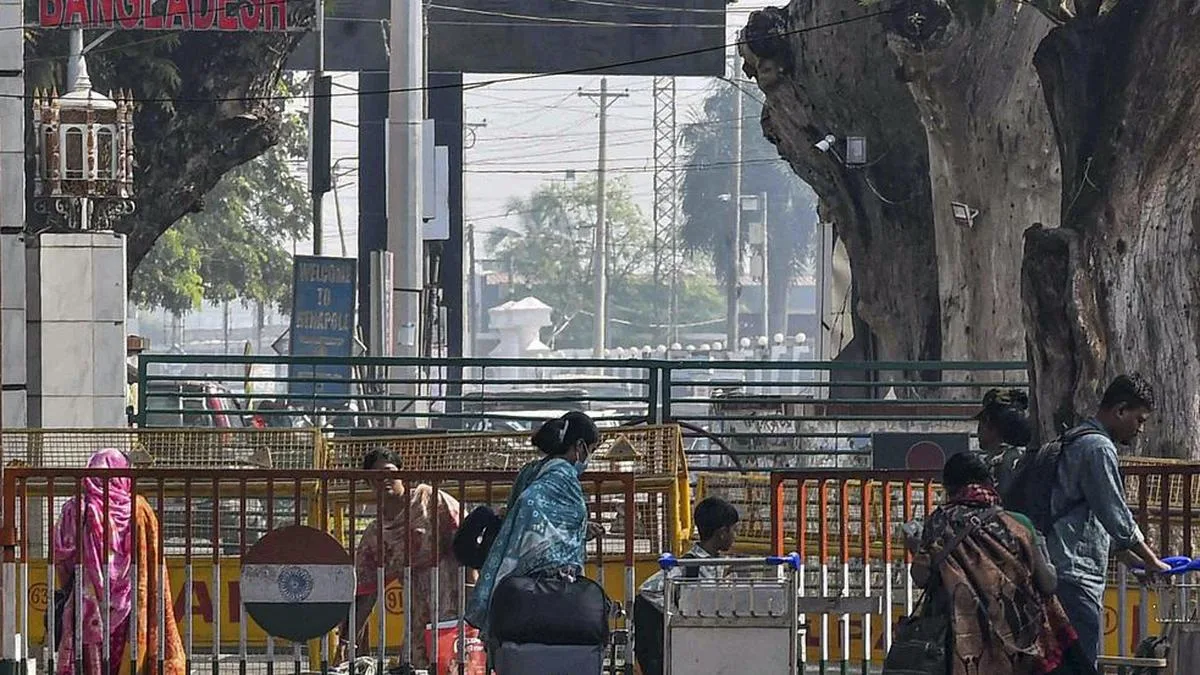
The amendments brought before 2024 general elections had concentrated the powers to process the citizenship applications of members of six non-Muslim communities from Pakistan, Afghanistan and Bangladesh, who entered India before December 31, 2014 without any documents or illegally. File (Image used for representational purposes only) | Photo Credit: PTI
The Union Ministry of Home Affairs (MHA) has transferred the processing of pending citizenship applications under the Citizenship Amendment Act (CAA), 2019, from Empowered Committees — comprising Central government officials, including those from the Census, Intelligence Bureau (IB) and postal departments — to District Collectors in eight States and Union Territories (UTs).
District Collectors in Gujarat, Rajasthan, Punjab, West Bengal, Assam (except tribal areas), Tripura (except tribal areas), Jammu and Kashmir, and Ladakh have been authorised to process CAA applications, as per the August 19 order, making the earlier arrangement of multi-agency committee redundant.
The order is significant as the amendments to the CAA Rules, which first came into effect on March 11, 2024, have been notified after the Bharatiya Janata Party (BJP) came to power in West Bengal. The amendments brought in days before 2024 general elections had concentrated the powers to process the citizenship applications of members of six non-Muslim communities from Pakistan, Afghanistan and Bangladesh, who entered India before December 31, 2014 without any documents or illegally.
The CAA was strongly opposed by the then Trinamool Congress (TMC) government in West Bengal. To bypass the role of the State government in processing the applications, MHA constituted at least four Empowered Committees — two at the district level, headed by Central government officials — to clear the citizenship applications. The committees were created days before the Assembly polls in West Bengal in April this year.
A large number of the Matua community, comprising Hindu Namasudras with roots in Bangladesh, and an important electoral block are the intended beneficiaries of the CAA in West Bengal.
5News aggregated this summary from the outlet’s public feed. The full article, with all the context, is on www.thehindu.com — the content belongs to The Hindu.