Delhi Jal Board case: What are the allegations against Satyendar Jain? | Explained
Account subscription benefits alongside Premium Stories, Editorials, Opinions and more. Unlock these with Subscription
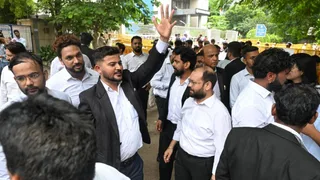
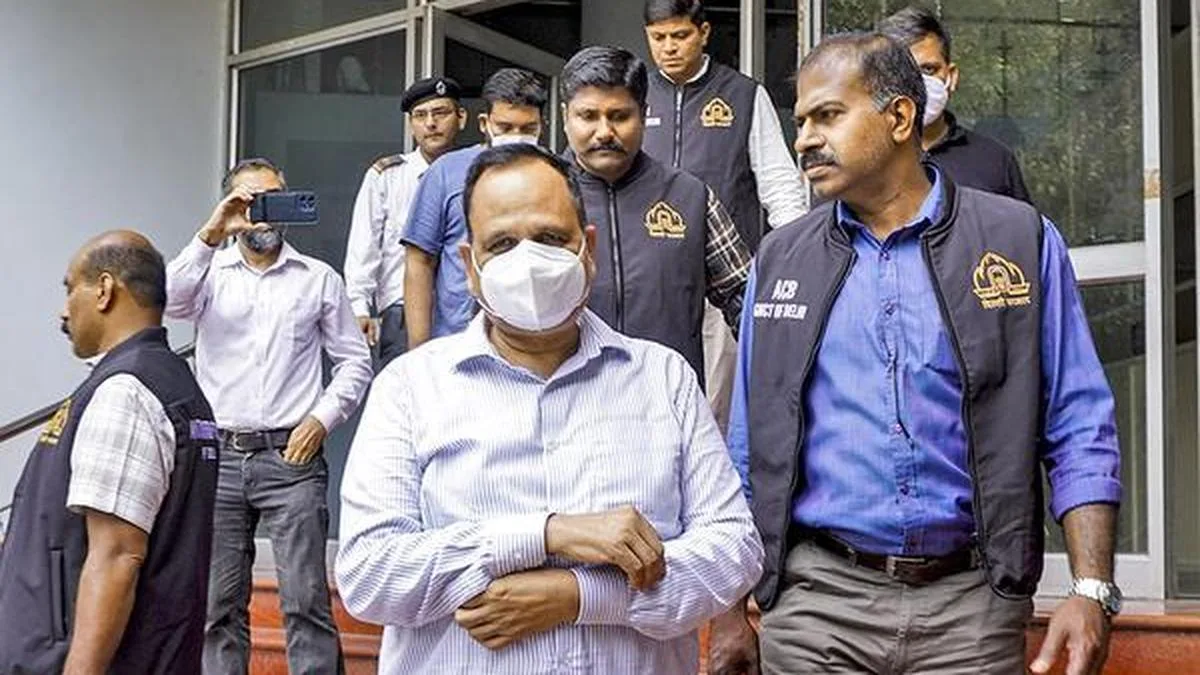
AAP leader Satyendar Jain being produced before the court in New Delhi on Wednesday. | Photo Credit: PTI
On August 18, 2026, senior Aam Aadmi Party (AAP) leader Satyendar Jain, who was Delhi’s Water Minister and chairman of the Delhi Jal Board (DJB) during the AAP’s tenure, was arrested by the Anti-Corruption Branch (ACB), along with five others.
Also Read | ED attaches ₹7.44 crore assets of companies ‘beneficially owned’ by AAP’s Satyendar Jain
The five others are former DJB CEO and IAS officer Udit Prakash Rai ; former contractual consultant of the DJB Ankit Srivastava; Euroteck owner Raja Kumar Kurra; Nagendra Yadav, proprietor of AN Enterprises; and Pankaj Verma, proprietor of Srijanhar. On August 19, a Delhi court sent Mr. Jain and four other accused to 14 days’ judicial custody, while Mr. Srivastava was sent to two days’ police custody.
The case concerns alleged irregularities in the tendering process for the augmentation and upgradation of Sewage Treatment Plants (STPs) of the DJB, when the AAP was in power. The tenders, issued in 2022, covered 10 existing STPs in Delhi and involved four contracts.
The ACB registered an FIR on May 11, 2024, following a complaint from the Directorate of Vigilance, alleging irregularities, manipulation of tender conditions and a criminal conspiracy involving public servants and private entities.
At the heart of the case is the allegation that the tender conditions were manipulated to favour Hyderabad-based Euroteck Environment Pvt. Ltd. by incorporating “restrictive” technical specifications and conditions that allegedly limited competition.
The case subsequently acquired a money-laundering dimension, with the Enforcement Directorate (ED) taking up a separate investigation on the basis of the ACB FIR. In December 2025, the ED filed a prosecution complaint against 14 accused persons and entities, alleging that the tender manipulation generated proceeds of crime and that illegal commissions were paid through intermediaries.
The principal allegation is that the tender specifications were made restrictive in a manner that gave a particular technology provider an advantage.
According to the ACB, a proposed pilot study to assess the technology was not conducted. Despite this, restrictive conditions concerning the technology and media to be used were incorporated into the tender documents. The agency also found that essential parameters relating to the quality of treated effluent were excluded and that technical specifications were subsequently changed.
The ACB alleges that these changes narrowed the field of eligible bidders and gave a particular technology provider an advantage, with significant financial implications for the government exchequer.
Investigators have further alleged that the manipulation did not happen in isolation. Private persons were allegedly in regular communication with public servants and intermediaries about the tender.
5News aggregated this summary from the outlet’s public feed. The full article, with all the context, is on www.thehindu.com — the content belongs to The Hindu.