A deep dive into offbeat Northeast
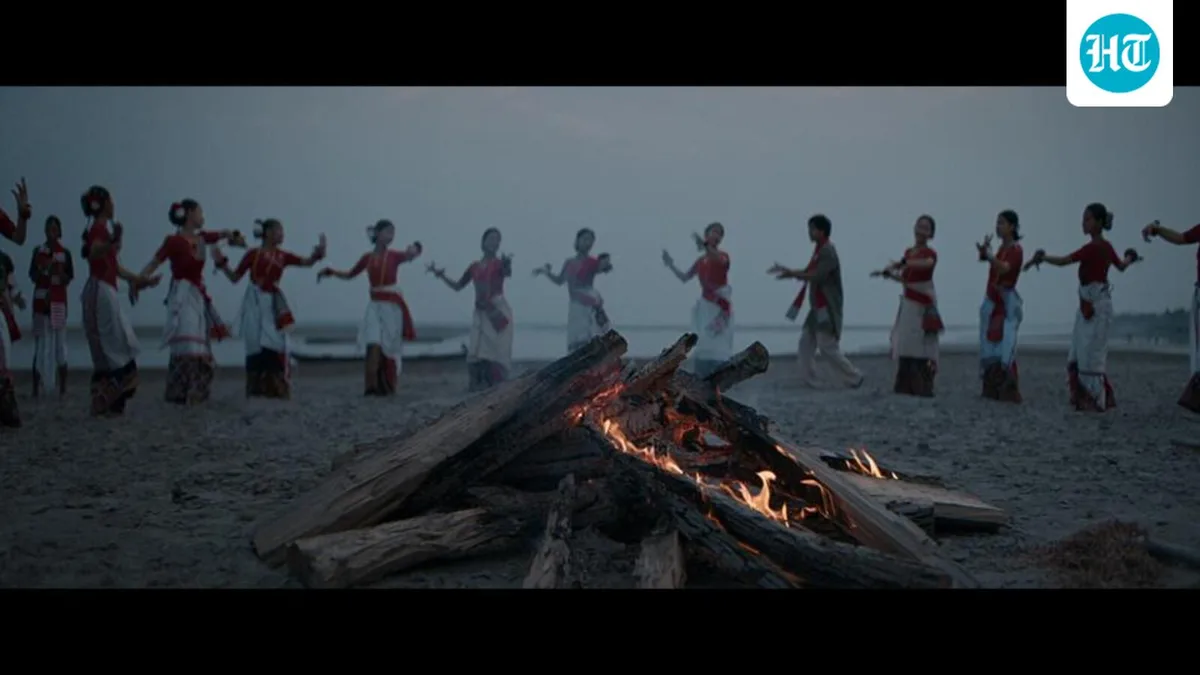
The Northeast continues to be a geographical, ecological and ethnographic curiosity even among seasoned travellers. For the slightly adventurous too: offbeat travel where you eat worms and nettle soup? Go to the Northeast.
When, in the new travel documentary series Voices of the Land, actor Gaurav Adarsh gets a whistle tune as his new name in Thingdol, a village of the Dima Hasao tribe in Cachar, Assam, or follows a group of women from the Sherdukpen tribe of Sheraton, Arunachal Pradesh, on an ethnobotany walk up a misty hill, the offbeat turns into spectacle — the ordinary turns spectacular.
Voices of the Land, which dropped on JioHotstar around the peak of this year’s annihilating Assam floods, is a six-episode series showing some of the world’s oldest living indigenous cultures — the Angami of Nagaland, the Mising of Assam, the Sherdukpen of Arunachal Pradesh, the Biate of Dima Hasao, Assam, and the Khasi of Meghalaya. Adarsh (The White Tiger, 2021; Kho Gaye Hum Kahaan, 2023; Superboys of Malegaon, 2024) is an extremely curious sutradhar and traveller — on a bike, in crumpled pyjamas and a windcheater, he takes the bumps on this expansive trip with the sanguinity of someone who understands slow travel. He is student-like in his responses to ordinary facts of his subjects, like adopting a river: Aspirational, and maybe replicable in Mumbai? It works for the series that the host is “kethekrye”, a fond colloquial title that the Angamis give him, which means a keen learner, an eager beaver.
Voices of the Land is directed by and co-written with Nitin Gupta by Megha Ramaswamy, a Mumbai-based filmmaker and writer whose work spans fiction, hybrid cinema and documentary. It isn’t an unscripted series in the rigid sense that we know documentaries today, in OTT parlance.
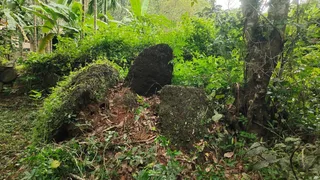
Ramaswamy propels her narrative with cinematic flourish — the gaze of cinematographer Kuldeep Mamaniya’s camera is not just for documenting, but also, gratifyingly, for the aesthetic frame. The beauty mustn’t have been difficult to capture from any angle his camera pointed to — the landscape, its stone caves, root bridges, jhum cultivation strips, river meeting sky and land, and hills of various hues and gradients are breathtaking.
The dominant theme of human synergies with nature is studied, and narrated emphatically through the host’s interactions with his subjects. Ramaswamy says, “The writing credits reflect how much of the series was built long before we started filming. Nitin Gupta and I spent months researching with Gaurav Haloi (researcher) and as I was travelling on recce across the Northeast, those early interactions with the communities and my own personal experiences became the foundation of the writing. Together, we had to world-build for each episode, because every tribe had such a distinct philosophy and way of life.”
“The monologues took a lot of soul-searching,” she adds. She says why Adarsh’s interactions with the tribes were never forced.
5News aggregated this summary from the outlet’s public feed. The full article, with all the context, is on www.hindustantimes.com — the content belongs to Hindustan Times - India News.