Archibald V. Hill and Otto Meyerhof’s Nobel-winning work on muscle metabolism
Account subscription benefits alongside Premium Stories, Editorials, Opinions and more. Unlock these with Subscription
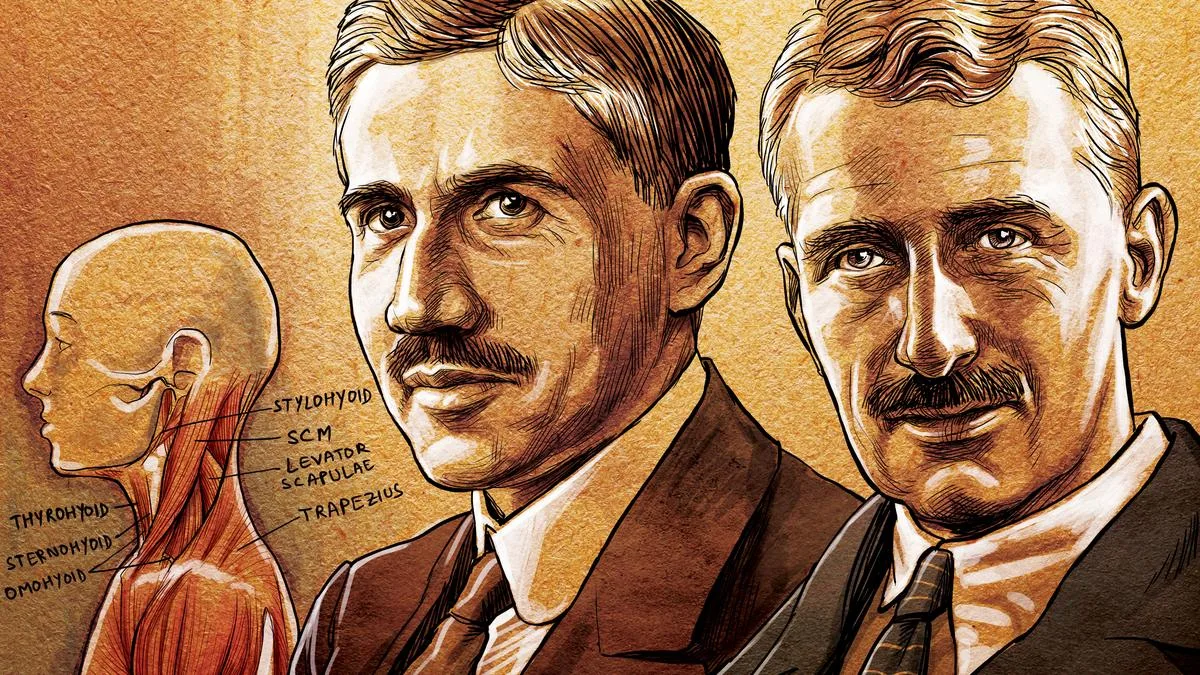
Hill and Meyerholf won the Nobel Prize for mapping how muscles generate heat and turn glycogen into lactic acid |Image used for representational purpose only | Photo Credit: Soumyadip Sinha
Archibald V. Hill and Otto Meyerhof studied how muscles use chemical energy to contract and recover. Hill measured the heat produced by working muscles, while Meyerhof traced the relationship between oxygen consumption and lactic acid metabolism. Their work earned them the 1922 Nobel Prize in Physiology or Medicine.
The prize was divided equally. Hill was recognised “for his discovery relating to the production of heat in the muscle”, while Meyerhof was recognised “for his discovery of the fixed relationship between the consumption of oxygen and the metabolism of lactic acid in the muscle”. The prize was awarded for 1922 but presented in 1923 because the Nobel Committee had initially decided that no 1922 nomination met the required criteria.
Hill approached muscle physiology as a problem in physics as well as biology. Working largely with frog muscles, he developed precise methods for measuring the very small amounts of heat generated during contraction.
The changes were tiny. In one experiment described in his Nobel lecture, a single contraction of a frog’s sartorius muscle at 20°C raised its temperature by no more than about 0.003°C. Hill used sensitive instruments and carefully controlled contractions to separate heat produced during activity from heat generated during recovery.
His measurements showed that heat production did not end when the muscle stopped contracting. A second phase, which Hill called recovery heat, continued after contraction and depended on oxygen. When oxygen was removed, this recovery heat was abolished.
This was important because it showed that the energy changes associated with muscle contraction and recovery occurred in distinct phases rather than as one continuous process.
Meyerhof investigated the chemical side of the same problem. In experiments on frog muscle, he measured heat production and oxygen consumption and followed the conversion of carbohydrates into lactic acid.
He showed that during muscle activity, lactic acid was formed from carbohydrate. During recovery, some of the lactic acid was oxidised while the remainder was converted back into carbohydrate. These observations helped establish the relationship between oxygen use and lactic acid metabolism for which he received the Nobel Prize.
Meyerhof’s work went further. Between 1918 and 1922, he provided evidence that glycogen was converted into lactic acid when oxygen was absent. He also found that only a fraction of the lactic acid produced during anaerobic muscle activity was subsequently oxidised in the presence of oxygen, with much of the remainder being reconverted to glycogen.
Hill and Meyerhof were investigating different aspects of the same physiological problem. Hill measured the physical consequences of muscle activity -- heat, work and energy expenditure.
5News aggregated this summary from the outlet’s public feed. The full article, with all the context, is on www.thehindu.com — the content belongs to The Hindu.