Behind every treated animal, a veterinarian carrying unseen strain
Account subscription benefits alongside Premium Stories, Editorials, Opinions and more. Unlock these with Subscription
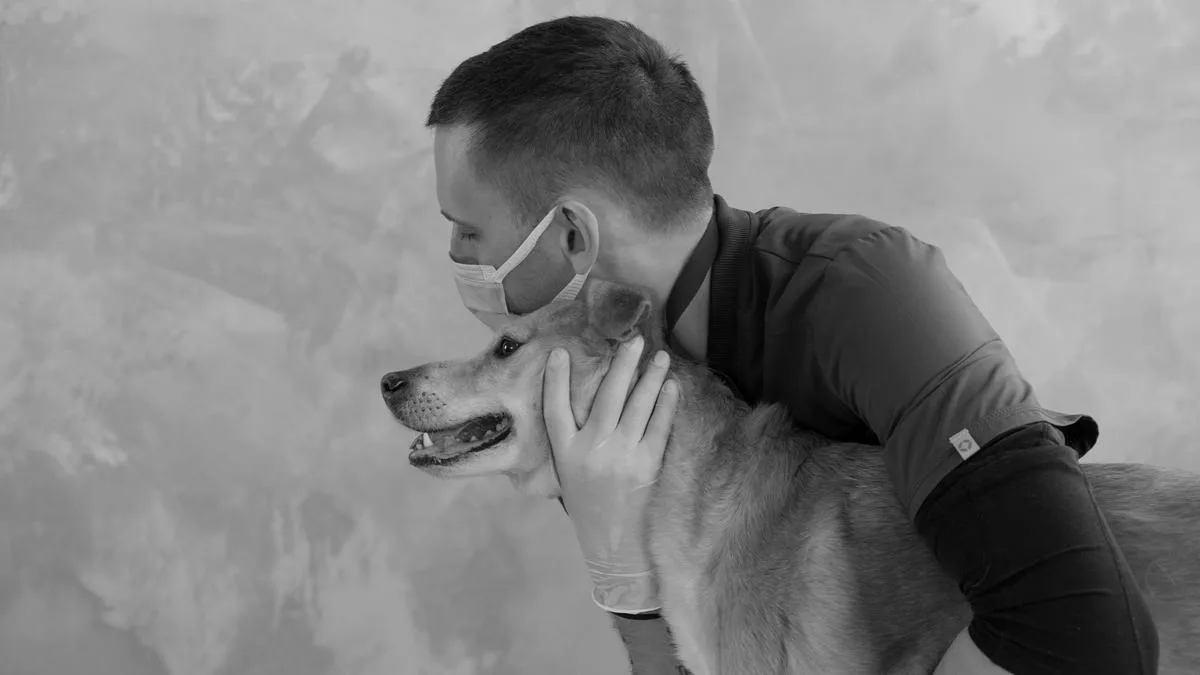
Like all healthcare professionals, vets navigate long hours, emergencies, and loss. But they also face distinct challenges. Representative image. | Photo Credit: Mikhail Nilov/Pexels
While much of society is preoccupied with animal rights, there is a population facing a significant risk of burnout yet which often goes unacknowledged: veterinarians.
Often underestimated as a profession and underfunded as a field, veterinary medicine carries expectations that far exceed what can reasonably be asked of any one individual. Veterinarians are expected to deliver unwavering care, often at the cost of their own.
Like all healthcare professionals, they navigate long hours, emergencies, and loss. But they also have distinct challenges. Their patients cannot speak, forcing vets to rely on instinct as much as expertise. They must master multiple anatomies across species. They absorb not only the suffering of animals, but also the emotional intensity of anxious, grieving pet owners. And uniquely, they carry the burden of deciding when a life should end, often without adequate emotional support for the weight of the decisions made and the grief that comes with executing it.
What they experience is not simply burnout, a condition caused by prolonged stress, but also compassion fatigue (from caring unconditionally) and moral injury (having to make decisions that go against their core moral beliefs)
Unlike human medicine, where every organ has its own specialist, veterinary medicine asks one person to be all of them at once. Across a single day, they shift roles constantly: diagnosing, fixing, reassuring, improvising. It’s not just about treating animals, it’s about carrying an entire system of care in one body, adapting to whatever walks (or is carried) through the door.
Alongside their patients, vets take on the emotional aftermath, anger, disappointment, and grief of pet owners. They linger long after the consultation ends.
A euthanasia need not end the day. It is often followed by the next appointment with no space or time in between to process the loss or the weight of the decision.
The rise of alternative medicine which is often cheaper brings another consequence; time lost. If the alternate treatment has not worked, there is delay in diagnosis, treatment and loss of life which falls at the hands of the vet.
Burnout, compassion fatigue, and moral injury show up in both mind and body as insomnia, brain fog, exhaustion, memory lapses and sometimes other physical illnesses.
Their work is not the problem. Most vets still care deeply about healing. It is a system defined by overwork, emotional labour, a variety of pressures, tough decisions, and financial limitations: it is meant to support them but often does the opposite.
Comments have to be in English, and in full sentences. They cannot be abusive or personal. Please abide by our community guidelines for posting your comments.
We have migrated to a new commenting platform.
5News aggregated this summary from the outlet’s public feed. The full article, with all the context, is on www.thehindu.com — the content belongs to The Hindu - Sci-Tech.