Why India needs to look beyond typhoid to address the health burden of Salmonella infections
Account subscription benefits alongside Premium Stories, Editorials, Opinions and more. Unlock these with Subscription
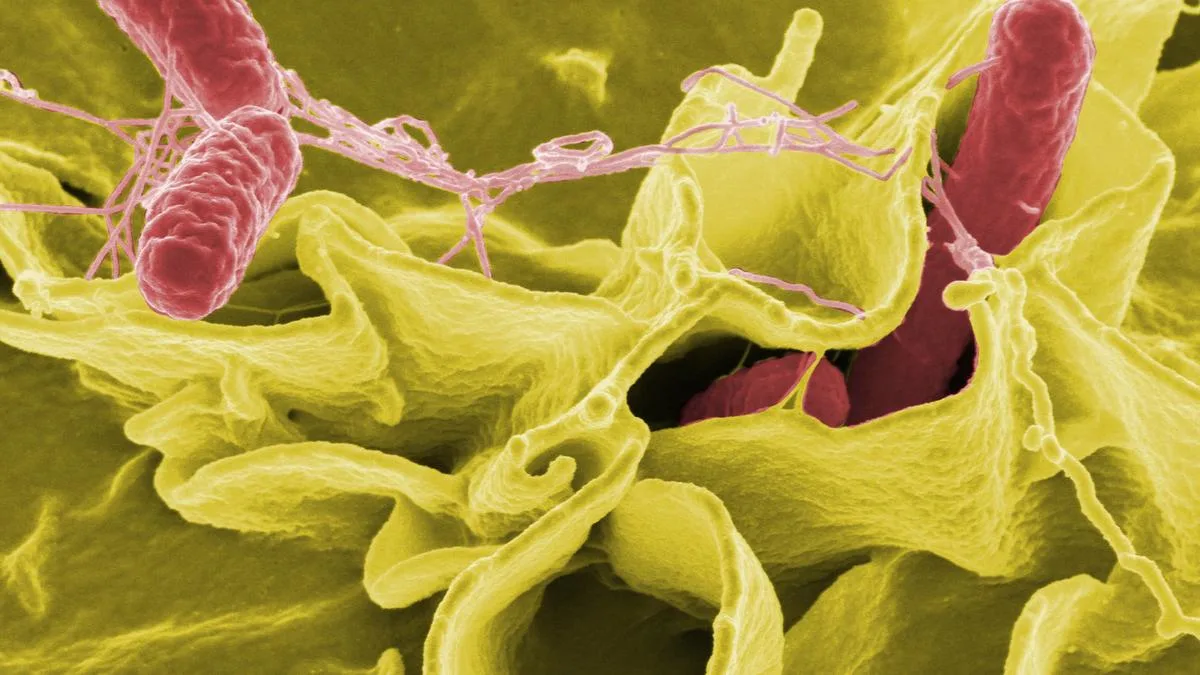
Typhoid conjugate vaccines, safer water and sanitation, food safety and antimicrobial stewardship all have a role in reducing infections and consequently reducing the need for antibiotics |Image used for representational purpose only | Photo Credit: Wikimedia commons
Salmonella is often linked to food poisoning, diarrhoea and typhoid. But the infection can range from mild gastroenteritis that gets better on its own to a serious bloodstream infection, and therefore, say experts, deserves more attention than it is currently being given. Typhoid also remains a major health burden in India. A Lancet study published this year, estimated 4.9 million typhoid cases and about 7,850 deaths in India in 2023. About 730,000 people were estimated to have been hospitalised, with fluoroquinolone-resistant infections accounting for 82% of these hospitalisations.
Salmonella is a group of bacteria that can cause different infections. Typhoid and paratyphoid or enteric fever, are caused by Salmonella Typhi and Salmonella Paratyphi. Unlike common food poisoning, typhoid can spread from the gut into the bloodstream, causing prolonged fever and, in severe cases, intestinal bleeding or perforation. It usually spreads through food or water contaminated with faeces The problem, however, is broader than typhoid. Non-typhoidal Salmonella infections, which often cause gastroenteritis, may go undiagnosed because many people recover without testing. At the same time, antibiotic resistance is making serious infections harder to treat.
Non-typhoidal Salmonella commonly causes gastroenteritis, with diarrhoea, stomach cramps, fever and sometimes vomiting. It is often linked to poultry, eggs and other animal-based foods. Most healthy people recover with supportive care, but the infection can become serious and spread to the bloodstream, particularly in young children, older adults and people with weakened immunity.
“Salmonella should not be seen as only a cause of diarrhoea,” said Sweatha Kumar, associate consultant, infectious diseases, Rela Hospital, Chennai. “In some patients, especially young children, older adults and those living with other illnesses or weakened immunity, it can become invasive and life-threatening.”
Suresh Kumar D., senior specialist in infectious diseases, Apollo Speciality Hospitals, Vanagaram, Chennai, said the actual burden of non-typhoidal Salmonella is difficult to estimate as many mild infections are never diagnosed.
Both typhoid and non-typhoidal Samonella infections spread through the faecal-oral route, but their sources are different.
For typhoid, humans are the reservoir. Someone with the infection, including someone who has no symptoms but carries the bacteria, can contaminate food or water. This makes safe drinking water, sanitation and hand hygiene central to prevention. Lack of access to safe water and adequate sanitation are major risk factors for typhoid.Non-typhoidal Salmonella has a wider ecology, involving animals, food and the environment. Poultry, eggs, meat and other animal-derived foods can be sources.
5News aggregated this summary from the outlet’s public feed. The full article, with all the context, is on www.thehindu.com — the content belongs to The Hindu - Sci-Tech.