India's nuclear ambitions may be blunted by limits on foreign reactor tech
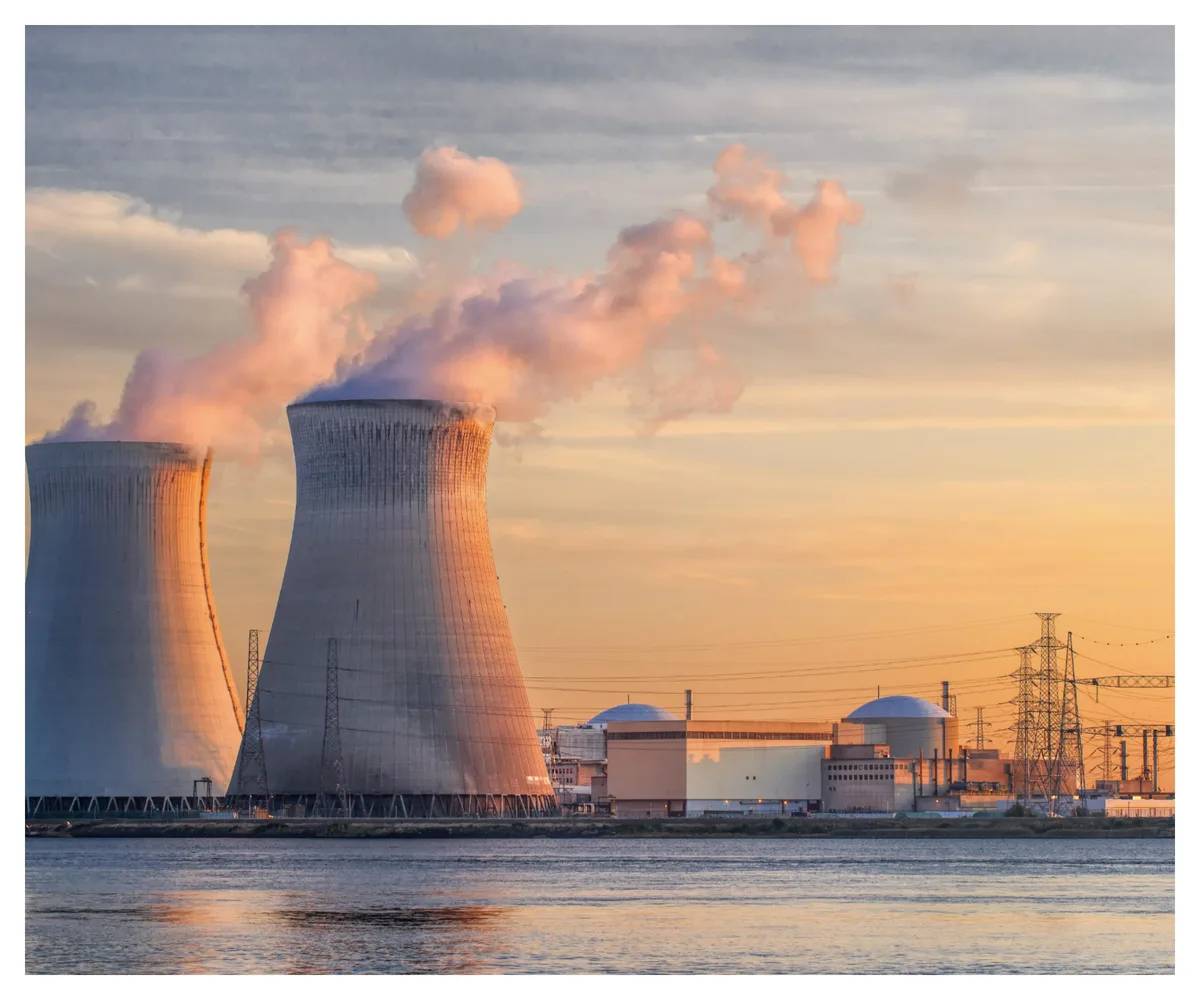
Under the proposed framework, companies seeking to deploy imported reactors need operational and licensing certifications. Photo: Shutterstock
A new draft framework risks diluting India's most substantial nuclear reform in decades by imposing additional approval requirements on foreign reactors, which threatens to steer companies toward domestic technology over imports and limit the flow of new capital and expertise, experts said.
The draft framework follows New Delhi's new nuclear law, passed last year, which opened the country's tightly controlled nuclear sector to private companies and seeks to attract foreign technology and investment.
India is counting on nearly $210 billion in investments that the industry expects to require to raise its nuclear power capacity almost tenfold to 100 gigawatts (GW) over the next two decades, a cornerstone of its attempt to reduce dependence on coal, which still supplies most of the country's electricity.
NPCIL, the country's sole nuclear power plant operator and technology holder, is already executing a 14-GW expansion programme through 2032, making private capital and new reactor technologies critical to meeting the government's 100-GW nuclear target.
Indian conglomerates including Tata Power, Adani Power and Reliance Industries, as well as foreign firms like Russia's Rosatom, France's EDF and U.S.-based GE Hitachi, have held talks with the government.
But industry sources, who requested anonymity because the consultation process is ongoing, said they were waiting to see the final rulebook before making investment commitments.
Queries sent to Tata Power, Adani Power, Reliance Industries, Rosatom, EDF and GE Hitachi were not answered. Companies have until September 4 to provide feedback to the government on the draft rules and regulations.
Under the proposed framework, companies seeking to deploy imported reactors need operational and licensing certifications from the country of origin as well as separate design approval from India's atomic energy regulator before construction can begin.
"We are taking a step back from the promise of the new nuclear act that can transform India into a leader of the global nuclear renaissance if the rules discriminate between indigenous technology and technology from outside India and where foreign technology can only be considered if there is an operating plant," said Suhaan Mukerji, a managing partner at law firm PLR Chambers. He serves as an adviser to domestic and foreign firms evaluating opportunities in India's nuclear expansion plans, including the implications of the draft rules.
In particular, small modular reactor (SMR) technology will be "dead" in the water, he said.
India has identified SMRs as a promising technology because their smaller size and lower upfront costs could make nuclear projects easier to deploy.
5News aggregated this summary from the outlet’s public feed. The full article, with all the context, is on www.business-standard.com — the content belongs to Business Standard.