Monday, 19 October 2026 SourcesAbout🌓
🇮🇳 IN ▾
BREAKING
› Indian student groups in London protest against CEC Gyanesh Kumar, SIR; Govt supporters hold counter-protest› Ahead of Tarique Rahman’s Japan visit, Tokyo envisions connectivity for India’s northeast, Bay of Bengal region› INL criticises reconstitution of Keralam Waqf Board› Kimberly Guilfoyle | The flashy diplomat› Census 2027: The pressures of counting India› Congress alleges ‘RSS employment scheme’ as Centre opens Census enumerator posts to private individuals› Peasants hold the key to a more sustainable future: sociologist Maryam Aslany› 36 new wildlife records put Keralam’s Peechi’s biodiversity in the spotlight› Gallerist Sharan Apparao takes a tour of some of Kolkata’s best pandals› Shinde meets Tiger Shroff after firing incident; pics show actor with bandages› Indian student groups in London protest against CEC Gyanesh Kumar, SIR; Govt supporters hold counter-protest› Ahead of Tarique Rahman’s Japan visit, Tokyo envisions connectivity for India’s northeast, Bay of Bengal region› INL criticises reconstitution of Keralam Waqf Board› Kimberly Guilfoyle | The flashy diplomat› Census 2027: The pressures of counting India› Congress alleges ‘RSS employment scheme’ as Centre opens Census enumerator posts to private individuals› Peasants hold the key to a more sustainable future: sociologist Maryam Aslany› 36 new wildlife records put Keralam’s Peechi’s biodiversity in the spotlight› Gallerist Sharan Apparao takes a tour of some of Kolkata’s best pandals› Shinde meets Tiger Shroff after firing incident; pics show actor with bandages
Science

SpaDeX sats re-enter Earth’s atmosphere after nearly 21 months in orbit
Times of India - Science ·
SpaDeX sats re-enter Earth’s atmosphere after nearly 21 months in orbit

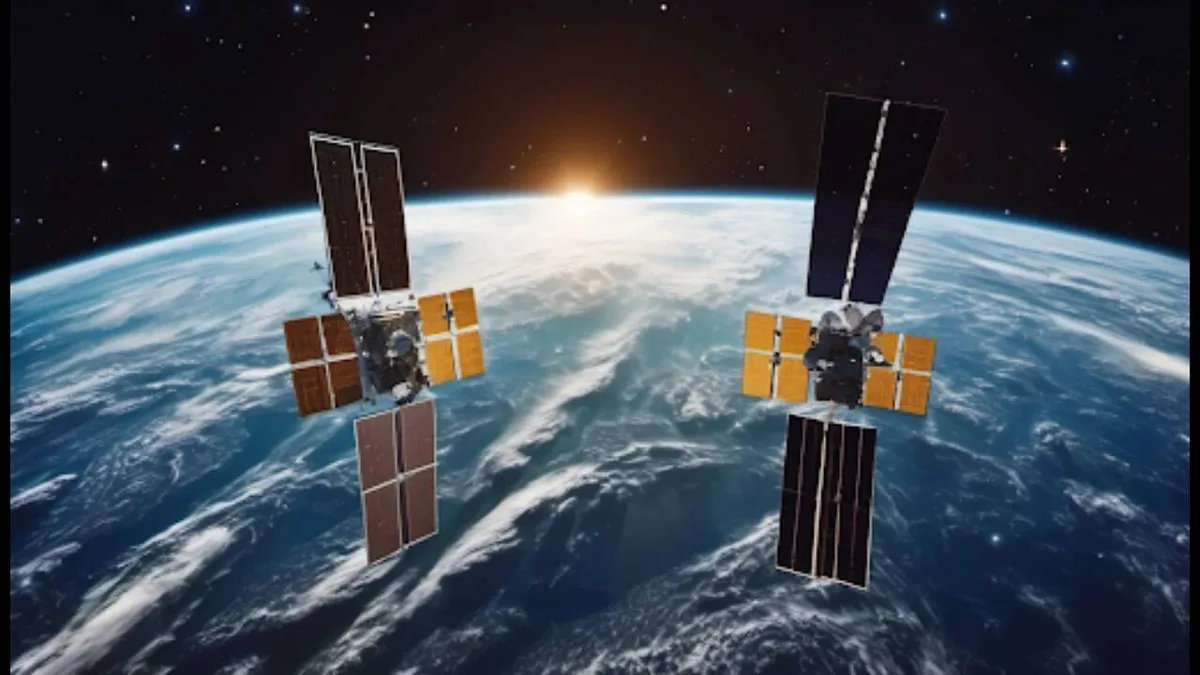
The satellites SDX01 and SDX02 completed their mission by re-entering Earth's atmosphere after 21 months.

They were launched on December 30, 2024, and achieved significant milestones in autonomous docking and power transfer.

During their operation, they demonstrated important capabilities for future missions, including lunar exploration and human spaceflight.

Their orbital altitude progressively decreased, leading to their eventual re-entry.

Read the full article on Times of India - Science ›

5News aggregated this summary from the outlet’s public feed. The full article, with all the context, is on timesofindia.indiatimes.com — the content belongs to Times of India - Science.


More from Times of India - Science

See all ›

More in Science

See all ›