India emerges as key petrol supplier to Russia amid Ukrainian attacks
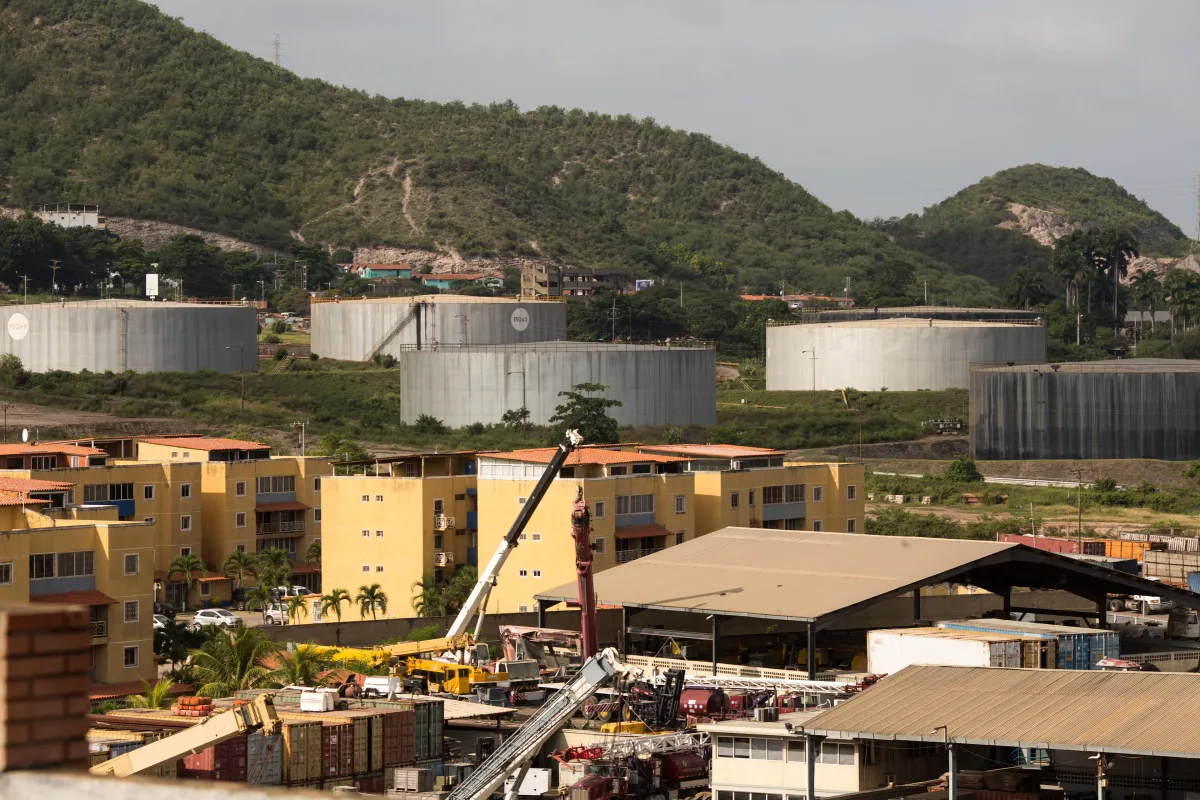
India, Turkey, and Morocco supplied gasoline to Russia in August, as Moscow grappled with a growing mismatch between domestic fuel supply and demand | Image: Bloomberg
India has emerged as a key supplier of gasoline (petrol) to Russia amid a surge in Russian fuel imports triggered by Ukrainian drone attacks on refineries, ship tracking data showed.
Russia's seaborne gasoline imports surged to a record around 125,000 barrels per day (kbd) in August, equivalent to a projected 470,000 tonnes for the month, as repeated attacks on its refineries disrupted domestic fuel production, according to energy analytics firm Vortexa.
Indian refiners supplied as much as 1 million barrels of gasoline in the last two months, trade sources said. The supplies essentially came from Vadinar refinery in Gujarat, operated by Nayara Energy, which is half owned by Russia's Rosneft.
Since 2022, India has pivoted towards Russia to meet a bulk of its crude oil -- raw material for making fuels like petrol and diesel.
India's purchases of Russian crude oil hit a record high as the conflict in the Gulf squeezes supply from other sources. India imported more than 2.6 million barrels per day of Russian crude in June and July, up from a low of 1 million bpd in February and accounting for more than half of the country's crude imports.
It's likely that fuel exported to Russia may have been made from Russian crude.
Russia, one of the largest crude exporters, has to import gasoline after Ukrainian drone attacks on its energy infrastructure led to up to 70 per cent drop in domestic production. This has triggered a fuel supply crunch that has forced Moscow to import petroleum products while continuing to impose restrictions on fuel sales across the country.
India, Turkey, and Morocco supplied gasoline to Russia in August, as Moscow grappled with a growing mismatch between domestic fuel supply and demand.
Russia in July extended its full export ban on gasoline for both producers and non-producers through the end of January 2027. Its diesel export ban was extended through September 1, 2026.
Around 55 per cent, or about 260,000 tonnes, of Russia's imported gasoline in August arrived on sanctioned tonnage, Vortexa said.
"All India-origin gasoline cargoes Russia imported in August were carried on sanctioned fleets and involved dark ship-to-ship (STS) transfers in the Mediterranean," it said.
Overall, around 40 per cent of Russia's August gasoline imports moved via ship-to-ship transfers, with the majority conducted in the dark, with vessels switching off their automatic identification system (AIS) signals.
While gasoline imports have surged, Russian diesel exports remain severely constrained by the export ban, refinery damage and disruptions at fuel terminals.
5News aggregated this summary from the outlet’s public feed. The full article, with all the context, is on www.business-standard.com — the content belongs to Business Standard.