Copper dazzle dull margins for EV, consumer and engineering goods
Account subscription benefits alongside Premium Stories, Editorials, Opinions and more. Unlock these with Subscription
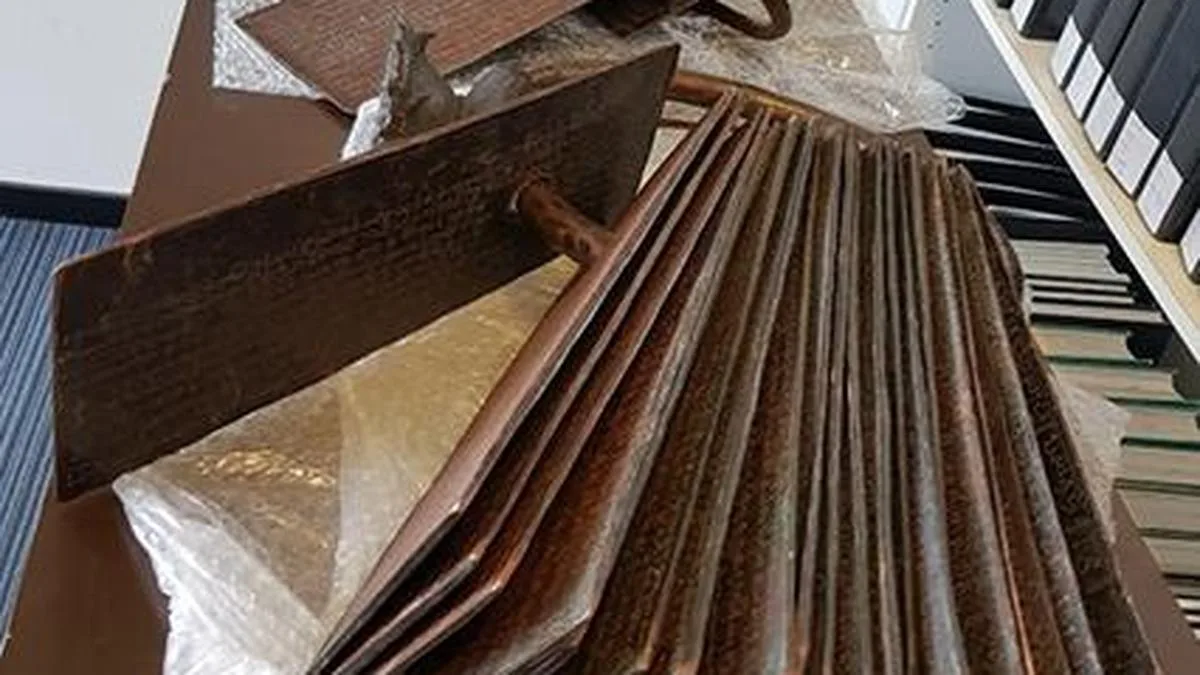
Image for representational purposes only. | Photo Credit: By Special Arrangement
Copper’s recent rally to record-highs has sent waves of concern reverberating through the makers of several consumer-focussed and industrial products such as electric vehicles (EVs), consumer gadgets and appliances, electric wires and engineering goods, among others.
Futures of the metal on the London Metal Exchange (LME), the benchmark for global prices, hit an all-time-high of $14,779 per tonne on September 8. While prices have marginally declined from that high, they remain elevated. At the time of writing Wednesday afternoon, copper futures were trading about 0.9% higher over its previous close at $14,167.67 per tonne.
Prices have rallied in the past couple of weeks as purchasers in the U.S. rush to stock up on the metal, anticipating President Donald Trump’s imposing steep tariffs on the import of refined copper.
This apprehension compounds the fact that the global economy is already navigating lower copper production in the first half of the calendar year.
India imports about 85% of its copper requirements. The cascading effect on profit margins is expected to be particularly acute for industries where copper is irreplaceable.
Copper wire manufacturers, including Finolex, Polycab and Havells, hiked prices early September seeking to mitigate some of the cost pressures.
Mahesh Viswanathan, Chief Executive Officer of Finolex Cables explained the upward trend of copper prices in the last one year has forced necessary market-wide pricing realignments across the electrical manufacturing sector.
“The initial brief trade-level destocking only reflected short-term inventory recalibration. However, the demand in power and construction sectors ensured complete absorption of the prices,” he said.
Copper is widely regarded as the ideal base material in the wire manufacturing industry because of its ability to withstand heat and being a good conductor, among other things, thus, making it difficult to place an alternative.
According to Ajay Sharma, Director-General and CEO of the Electric Vehicle Industry Alliance (EVIA), EVs use “about 3-4% more copper” than traditional combustion vehicles.
Mr. Sharma observed rising copper prices would induce pricing pressures.
He said though the industry is seeking a transition to wider use of aluminium to cut costs and make the vehicles further lighter, copper cannot be entirely replaced.
5News aggregated this summary from the outlet’s public feed. The full article, with all the context, is on www.thehindu.com — the content belongs to The Hindu.