India's semiconductor roadmap strong with Semicon 2.0: Tata Electronics CEO

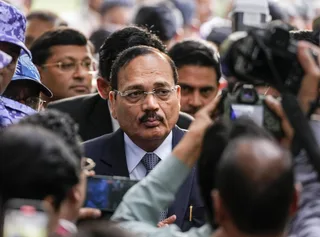
On Tata Electronics' semiconductor projects in Gujarat and Assam, he said both the Dholera fabrication plant and Jagiroad packaging facility are progressing according to timelines committed to the government (Photo: Company website)
India's semiconductor journey looks "strong", with policy stability under Semicon 2.0 providing important continuity in the roadmap for the industry, Tata Electronics' CEO and Managing Director Randhir Thakur has said.
As India races to secure a foothold in the high-stakes global semiconductor industry, Tata Electronics - a key player - is building India's first commercial semiconductor fab in Dholera, Gujarat, and the first indigenous semiconductor assembly and testing facility in Jagiroad, Assam, with a combined investment of $14 billion, to serve global customers across critical sectors.
"In our business, it is about continuity, and semiconductor is a roadmap-based journey. It is really very encouraging to see that after Semiconductor 1.0 scheme, the government has come up with Semiconductor 2.0...so that continuity, that roadmap is very important. We believe that in this business, as we generate the cash flow, we will always be investing and continue on this," Thakur told PTI in an interview on the sidelines of SEMICON India 2026.
On artificial intelligence, Thakur said advances in semiconductor hardware and compute have helped unlock AI applications and model development.
"The foundation of it is the hardware," he said, underscoring the semiconductor industry's critical role in enabling the AI boom.
On Tata Electronics' semiconductor projects in Gujarat and Assam, he said both the Dholera fabrication plant and Jagiroad packaging facility are progressing according to timelines committed to the government.
Thakur said the 16 memoranda of understanding signed by Tata Electronics during SEMICON India are aimed at building the ecosystem needed to support its semiconductor manufacturing operations, spanning equipment, infrastructure, gases and chemicals, as well as talent development.
He said the Dholera fab alone would require an ecosystem of around 450 suppliers, while some of the partnerships would support the company's packaging facility at Jagiroad in Assam.
The partnerships would help Tata Electronics set up equipment and manufacturing lines for all customers.
"For Tata Electronics, these 16 MoUs and what we have done previously with some of our other customers and partners, is very important because, here in India for us to get the ecosystem set up, if you look at our Dholera fab, we are looking at about 450 or so suppliers who have to come here to support us in producing chips, so the MoUs we have signed, they range from equipment companies to support our Jagiroad Assam packaging facility, also to support some of the activities in Dholera, whether it is in infrastructure or it is gas and chemicals.
5News aggregated this summary from the outlet’s public feed. The full article, with all the context, is on www.business-standard.com — the content belongs to Business Standard.