CWC chief flags ‘malpractices’ in phytosanitary certification, pitches integrated logistics to boost agri-exports
Account subscription benefits alongside Premium Stories, Editorials, Opinions and more. Unlock these with Subscription
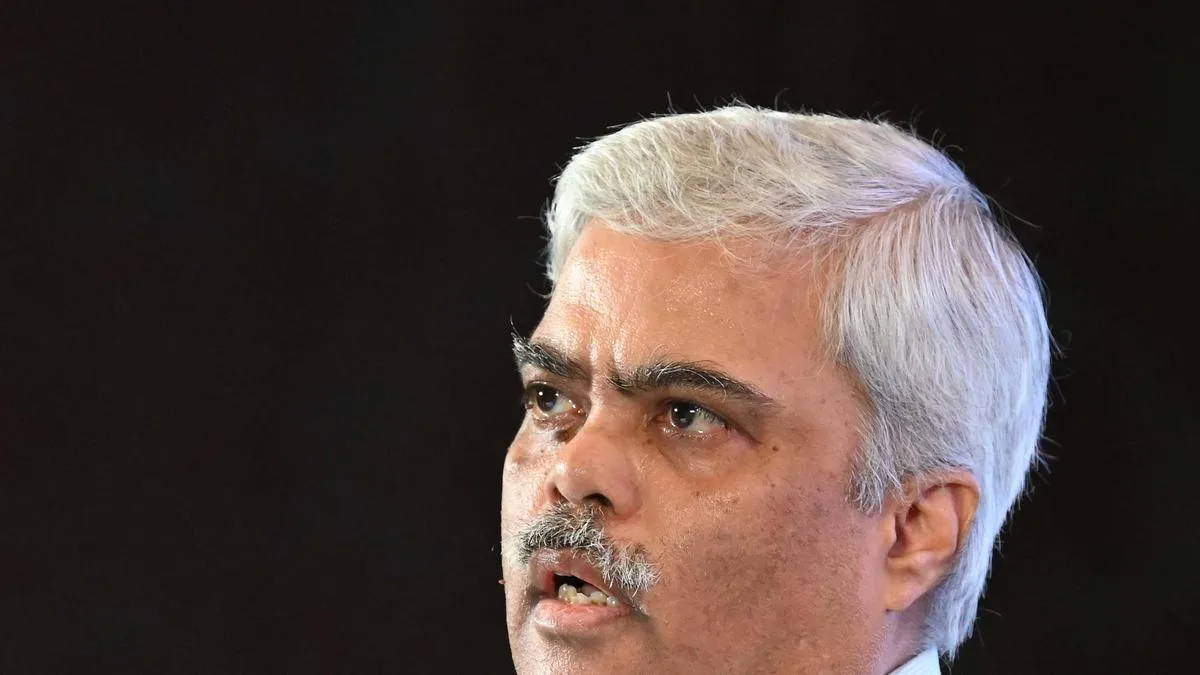
Santosh Sinha, Managing Director, Central Warehousing Corporation, at a stakeholder consultation on strengthening Agri Export Logistics Through Integrated Warehousing and Value-Added Services, organised by CWC and CII, in Chennai. | Photo Credit: Bijoy Ghosh
Central Warehousing Corporation (CWC) Managing Director Santosh Sinha on Friday (September 19, 2026) raised concerns over what he described as “malpractices” in phytosanitary certification at ports, while declining to provide specific examples or name the entities involved.
Speaking to reporters on the sidelines of “Stakeholder Consultation on Strengthening Agri Export Logistics Through Integrated Warehousing and Value-Added Services”, organised by the Confederation of Indian Industry (CII) jointly with Central Warehousing Corporation (CWC) in Chennai, Mr. Sinha was asked about his reference to malpractices in certification.
He said there had been “a certain result which was not to our liking”, but did not elaborate on the incident or identify any port, agency or official.
Mr. Sinha had raised the issue while explaining CWC’s plans to expand its role beyond conventional warehousing into integrated logistics for agricultural exports. He cited the rejection of Indian rice at Chinese ports and the rejection of mango exports by Japan as examples of the challenges Indian exporters could face when consignments fail to meet requirements in destination markets.
Asked how CWC could address the issue, Mr. Sinha said: “We have the kind of technical expertise that we have available with us.”
He said CWC was also upgrading its technical expertise, pointing to its experience in preserving food commodities. CWC currently stores around 50–60 lakh tonnes of foodgrains and, according to Mr. Sinha, less than 0.5% is lost during storage.
Mr. Sinha said the issue of export rejection was closely linked to phytosanitary requirements.
“Most of it is getting rejected on phytosanitary certifications,” he said.
He said India would encounter more such challenges as exports increase under free trade agreements.
“This is actually the sign of a growing economy. Because you are now going in for your free trade agreements, you will start exporting, you will encounter challenges, you will have to meet them,” he said.
During his address, Mr. Sinha said CWC could add a layer of phytosanitary treatment and preservation to the export supply chain to help ensure that agricultural produce was not rejected at destination ports. Referring to the rejection of Indian consignments, he claimed, “CWC would not have got rejected.”
CWC is seeking to expand its role in agricultural logistics by bringing together storage, preservation, grading, sorting, treatment, cold storage and transportation, with connectivity to ports.
5News aggregated this summary from the outlet’s public feed. The full article, with all the context, is on www.thehindu.com — the content belongs to The Hindu.