When the heat hits hardest, ‘Sollisai Sistahs’ ask: who gets to stay cool?
Account subscription benefits alongside Premium Stories, Editorials, Opinions and more. Unlock these with Subscription
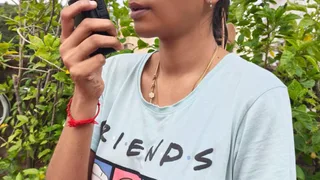
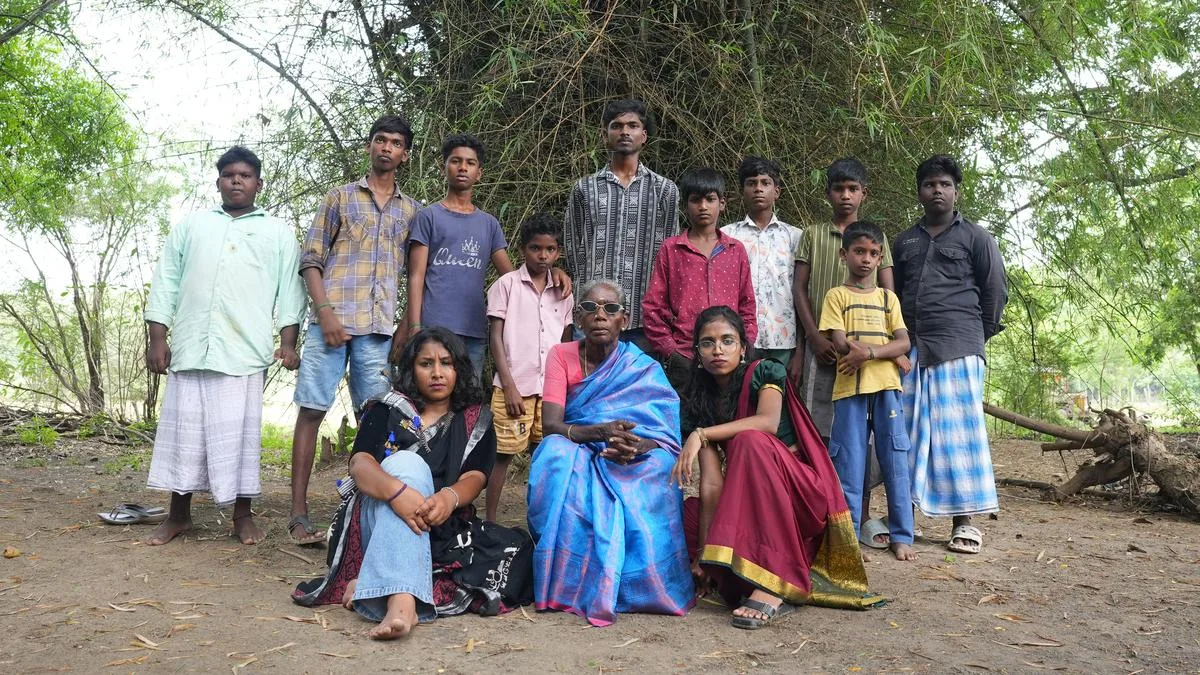
Rappers Kavya and Abisha with Rani, a resident of Alangudi, who performed the folk portion of the track Veppa Marathadiyila. | Photo Credit: SPECIAL ARRANGEMENT
A neem tree can be many things — a meeting point in the village, a place to sit under, rest, and escape the harsh afternoon sun for a few minutes. In Veppa Marathadiyila , Tamil Nadu’s first all-women rap crew, Sollisai Sistahs turn that familiar image into a larger question: when the climate crisis arrives, who gets the shade?
The collective is known for songs that challenge social norms, particularly around caste and gender, while remaining rooted in the communities they come from. Their new Tamil rap track is part of the Climate Emergency Mixtape, a multilingual hip-hop album that brings together six independent artists from across India to tell stories of the climate crisis in Tamil, Kannada, Marathi, and Hindi.
Rather than speaking about emission targets, degrees of warming and policy plans, the mixtape looks at climate change through lived experiences of people — water shortages, deforestation, resource exploitation, floods and the communities left to deal with the consequences.
Rappers Abisha and Kavya at Alangudi village in Mayiladuthurai district, where the video was shot. | Photo Credit: SPECIAL ARRANGEMENT
For Sollisai Sistahs , the climate crisis is inseparable from questions of caste, class, gender, and labour. In Veppa Marathadiyila, they turn their attention to people who are often missing from conversations around climate change, workers, and marginalised communities who have the least control over the forces driving environmental degradation, but frequently bear its consequences.
“Climate change is still seen as an issue that is discussed only in ‘elite’ spaces. But who is getting affected the most? Marginalised communities,” says Abisha of Sollisai Sistahs .
The group had begun thinking about these questions a few years ago, when they worked with environmental organisation Poovulagin Nanbargal on a project around environmental issues. That engagement, Ms. Abisha says, introduced them to another way of looking at the climate crisis as one deeply connected to inequality.
“If capitalist industries are exploiting natural resources, and in turn affect the environment, tribal communities are the ones getting affected,” she says. “So, we have to speak out about these issues.”
That idea runs through Veppa Marathadiyila . The song looks at the intersection of climate, labour and marginalisation, asking what is lost when floods and other climate-related disasters hit communities that have little room to absorb another shock. Its verses ask who is left carrying the loss, with questions like, “When a flood comes, whose houses collapse? When a mountain crumbles, whose village disappears?”, and whether some of that loss could have been prevented through better planning.
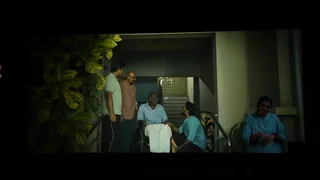
“We shot the video in Alangudi village in Mayiladuthurai district. This was an idea by Sudharshan, who directed the video.
5News aggregated this summary from the outlet’s public feed. The full article, with all the context, is on www.thehindu.com — the content belongs to The Hindu.