‘Tenzing’ movie review: Genden Phuntsok is Mr. Amazing in Jennifer Peedom’s soulful ode to an overlooked hero
Account subscription benefits alongside Premium Stories, Editorials, Opinions and more. Unlock these with Subscription
The very human impulse to be the first to do something has propelled generations towards the poles, into the ocean’s lightless abyss and beyond the atmosphere, all for the absurd but undeniably potent distinction of having ventured where no human has gone before. The twentieth century made a mythology of such endeavours, lionising the figures who planted flags at the end of the impossible. Few have been short-changed by selective bookkeeping from the frontiers of such heroism as acutely as Tenzing Norgay , the Sherpa mountaineer who reached the summit of Mount Everest alongside Edmund Hillary in 1953.
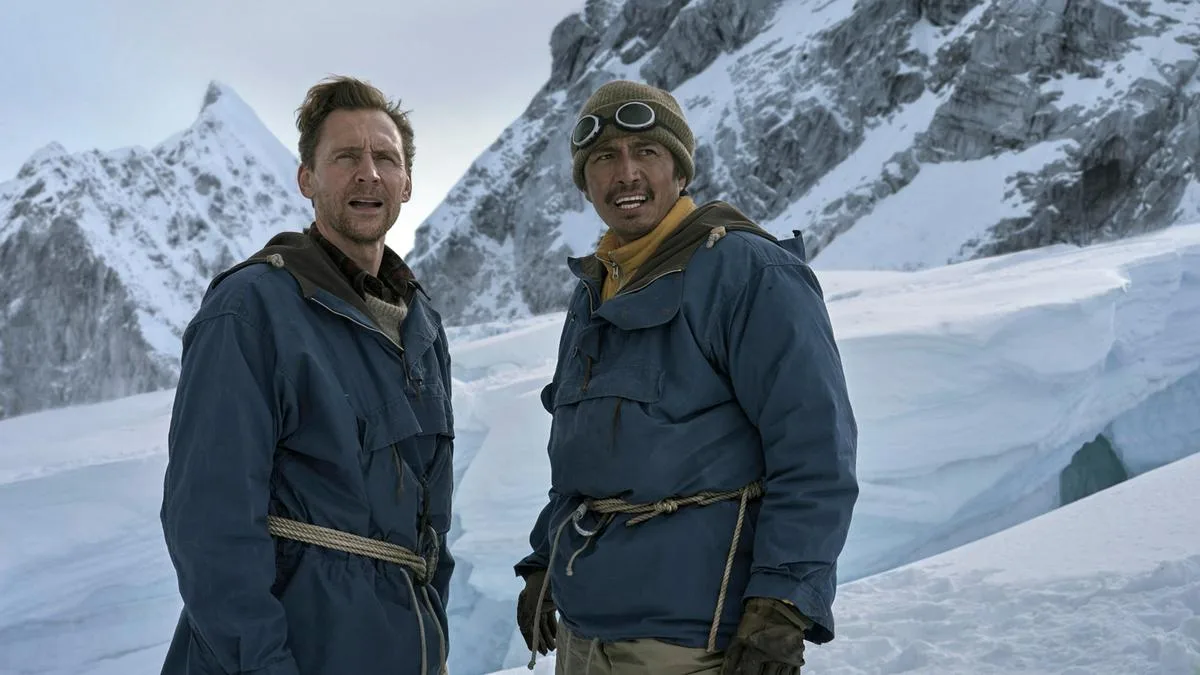
Based on true events, Jennifer Peedom’s Apple TV feature chronicles the life of the titular climber — played by Tibetan actor Genden Phuntsok in his English-language debut — whose extraordinary familiarity with the Himalayas and spiritual reverence for Chomolungma (the mountain’s Tibetan name) eventually carry him towards one of humankind’s most consequential achievements. Encouraged by his wife Dawa (Thinley Lhamo) and aided by expedition secretary Jill Henderson (Caitríona Balfe), Tenzing fights for recognition as a climber in his own right, persuading British expedition leader Colonel John Hunt (Willem Dafoe) to accept him as a formal member of the climbing team rather than merely the dutiful Sherpa expected to carry its equipment. His eventual partnership with Kiwi mountaineer Hillary (Tom Hiddleston) gives the film a sense of historic camaraderie.
Peedom’s previous documentary, Sherpa , examined the mountain folk whose indispensable labour sustains Everest’s commercial and sporting ambitions. She approaches her first narrative feature with an evident interest in correcting the historical framing that made Hillary the internationally recognisable face of the 1953 ascent while leaving Tenzing comparatively obscured. The film draws on Ed Douglas’s biography Tenzing: Hero of Everest , which explores Tenzing’s early life and his substantial organisational responsibilities during the expedition, grounding the drama in a life considerably more complicated than the iconic photograph of two men standing at the top of the world. The disparity in their subsequent recognition remains galling: Hillary and Hunt were knighted, whereas Tenzing received the George Medal, a civilian honour for bravery; a difference that has drawn criticism from Tenzing’s family and estate. Against this history, Tenzing makes a persuasive case that the distinction between the man who supposedly conquered Everest and the man who helped him do so was never merely a question of mountaineering merit.
The film begins its excavation of Tenzing’s ambition on the Tibetan Plateau in 1924, when a young boy (Samdrup Dorje Lama) gazes longingly towards the breathtaking Chomolungma. He watches, fascinated, as foreign mountaineers arrive.
5News aggregated this summary from the outlet’s public feed. The full article, with all the context, is on www.thehindu.com — the content belongs to The Hindu - Entertainment.