Using two health insurance policies for one hospital bill? Are you aware of these claim rejection traps?
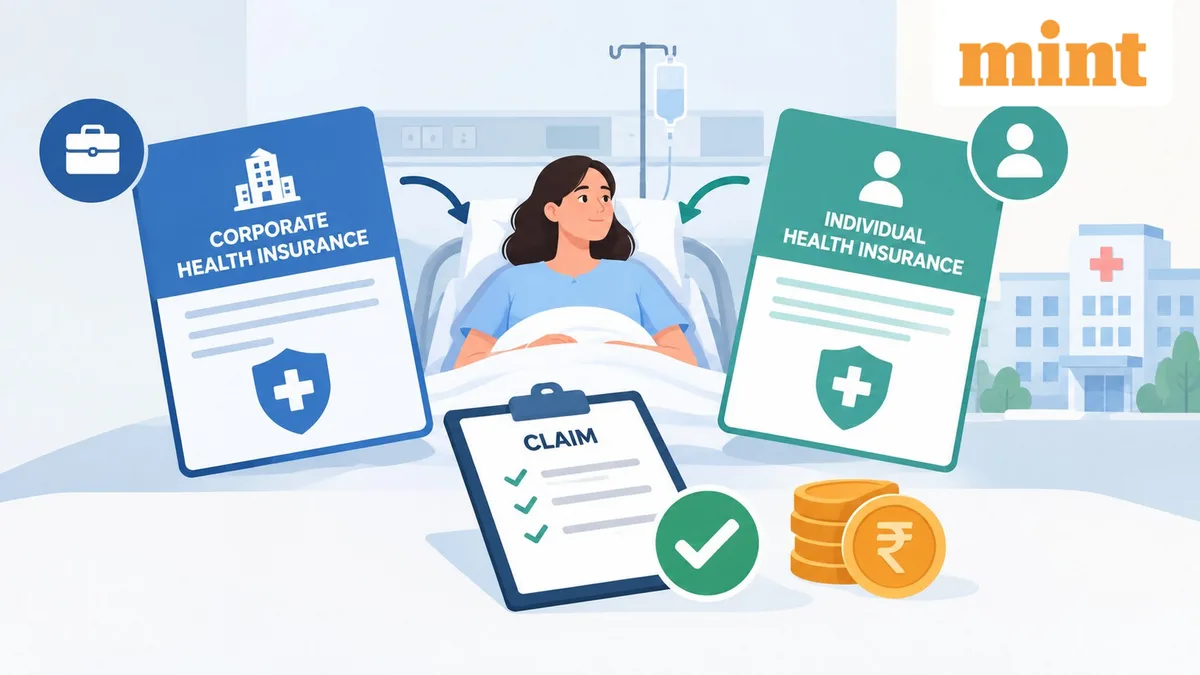
Many individuals receive health insurance coverage from their employers, while some also buy a separate individual health insurance policy to supplement their corporate cover and provide additional financial protection.
A policyholder is allowed to claim under both corporate and individual health insurance policies during the same hospitalisation if the expenses exceed the coverage available under one policy.
Most importantly, the total reimbursement from both policies cannot exceed the actual hospitalisation expenses incurred. Policyholders also cannot claim the same medical expense twice under different policies.
If you fail to follow the prescribe claim process or overlook policy conditions, it could delay claim settlement or even worse, lead to a claim rejection, leaving you to bear the expenses out of your own pocket.
Though Insurance Regulatory and Development Authority of India ( IRDAI ) allows people to buy multiple health insurance policies, there are certain circumstances under which the second claim may be rejected or partially settled.
If you plan to claim health insurance benefits under two policies, you need to follow some steps to ensure a smoother settlement process, according to a blog post by Universal Sompo General Insurance . Details below:
Step 1: Inform both insurers that you intend to claim under multiple policies and then share the policy numbers, hospitalisation details and estimated expenses.
Step 2: If the hospital is in the first insurer's network, file a cashless claim with it. If the approved amount falls short of the hospital bill, approach the second insurer for the balance payment. If both insurers are non-network providers, pay the bills upfront and seek reimbursement from them.
Step 3: Submit final hospital bills, discharge summary, doctor’s prescriptions and diagnostic test reports, claim settlement letter from the first insurer and copies of policy documents from both insurers.
Once the required documents are submitted, the second insurer will verify the bills, cross-check with the settlement letter of the first insurer, and process the balance claim amount. The claim is usually settled on a reimbursement basis if involving more than one insurer.
The timeline depends on the insurer. However, IRDAI mandates that claims be processed within 30 days of document submission.
Eshita Gain is a digital journalist at Mint, where she joined in May 2025. She writes on corporate developments, personal finance, markets, and business trends, with a focus on delivering timely and relevant stories to a broad audience. <br><br> While her core beat lies in business and finance, she is not confined to a single niche and frequently explores stories across domains, including international relations and policy developments. <br><br> She holds a postgraduate diploma in business and financial journalism by Bloomberg from the Asian College of Journalism (ACJ), Chennai. During her time there, she received rigorous training in tracking financial data, interpreting corporate filings, and reporting on business developments. She has pursued her graduation from St.
5News aggregated this summary from the outlet’s public feed. The full article, with all the context, is on www.livemint.com — the content belongs to LiveMint - Money.