Wedding food trends: How Gen Z is changing the traditional wedding plate
Account subscription benefits alongside Premium Stories, Editorials, Opinions and more. Unlock these with Subscription
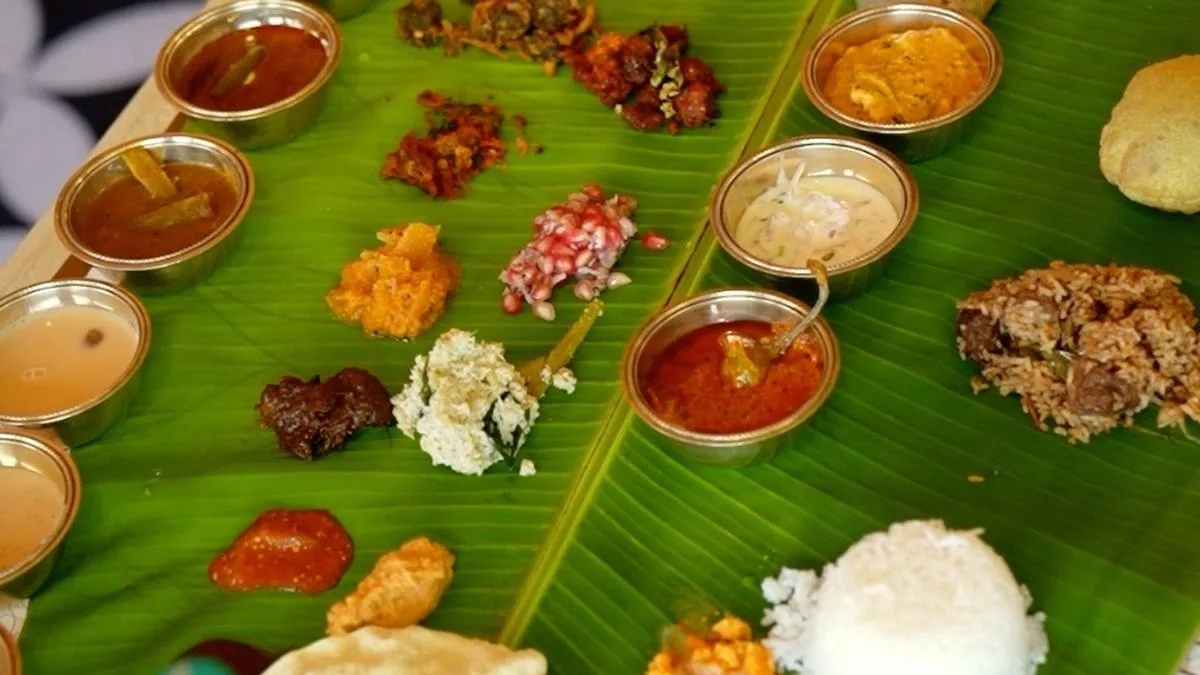
A wedding muhurtham feast by Madhampatti Rangaraj | Photo Credit: Special Arrangement
Most recently, Sampath Gupta and Sangeetha Gupta of Mamatha Caterers were approached by a family organising a wedding with an unsual request: an authentic South Indian menu representing different Southern states across the various wedding events. The result was a culinary journey through the region. The welcome lunch featured a Kerala sadhya, followed by an Andhra-style high tea, a Karnataka-style breakfast, a traditional Tamil Nadu meal and for reception it was fusion menu comprising regional cuisines from acrross India and international cuisine.
“Innovation and fusion in food have been trending over the past four or five years. Post-pandemic, people have become more willing to spend extravagantly on weddings, with couples and families investing in every aspect of the celebration,” says Sampath. For wedding caterers, such requests offer a glimpse into how the wedding feast is evolving — from a largely traditional spread to a more carefully curated experience, where regional cuisines, innovation, and personalisation increasingly find a place on the menu.
TP Rangaraj, popularly known as Madhampatty Rangaraj, who is at the helm of Madhampatty Thangavelu Hospitality, says that from a catering perspective, he has noticed a growing preference among couples for multi-cuisine menus and specific regional cuisines, including Chettinad, Kerala, and Andhra fare, alongside international menu offerings. His most popular dishes include the jackfruit biryani, guava chutney, and the sanguppo idiyappam-violet cabbage stew.
TP. Rangaraj with his team of overseas chefs at a wedding | Photo Credit: Special Arrangement
“Families are willing to spend even ₹5,000 to ₹10,000 per head on a wedding meal. We have even flown down chefs from France, Italy, Japan, and Thailand to prepare authentic cuisine at weddings from these countries,” he says. Rangaraj also points to a shift in the scale of weddings. “Before the pandemic, families would invite 3,000 to 5,000 guests for a wedding. Over the past five years, the guest list has come down to around 1,000 to 2,000, but the focus is now on creating memorable moments for them, he says. Rangaraj adds that 24 years ago, when he entered the industry, it was the parents who decided the wedding menu, but these days, couples are actively involved in the process. “The trend now is towards concept-oriented menus, thematic buffet counters, and fusion and innovation in the food served,” he says.
A Mexican food station at a wedding venue by Mamtha Caterers | Photo Credit: Special Arrangement
One reason for the growing demand for fusion menus and a mix of regional cuisines is the increasing number of inter-cultural marriages, says Siva Subramanian of Kamalambal Catering Services. With families from different culinary traditions coming together, wedding menus are increasingly becoming a way to represent and accommodate diverse food preferences. “Instagrammable weddings are trending.
5News aggregated this summary from the outlet’s public feed. The full article, with all the context, is on www.thehindu.com — the content belongs to The Hindu.