Taking care of heart health with a desi diet: Cardiologist shares what to eat more of and what to reduce
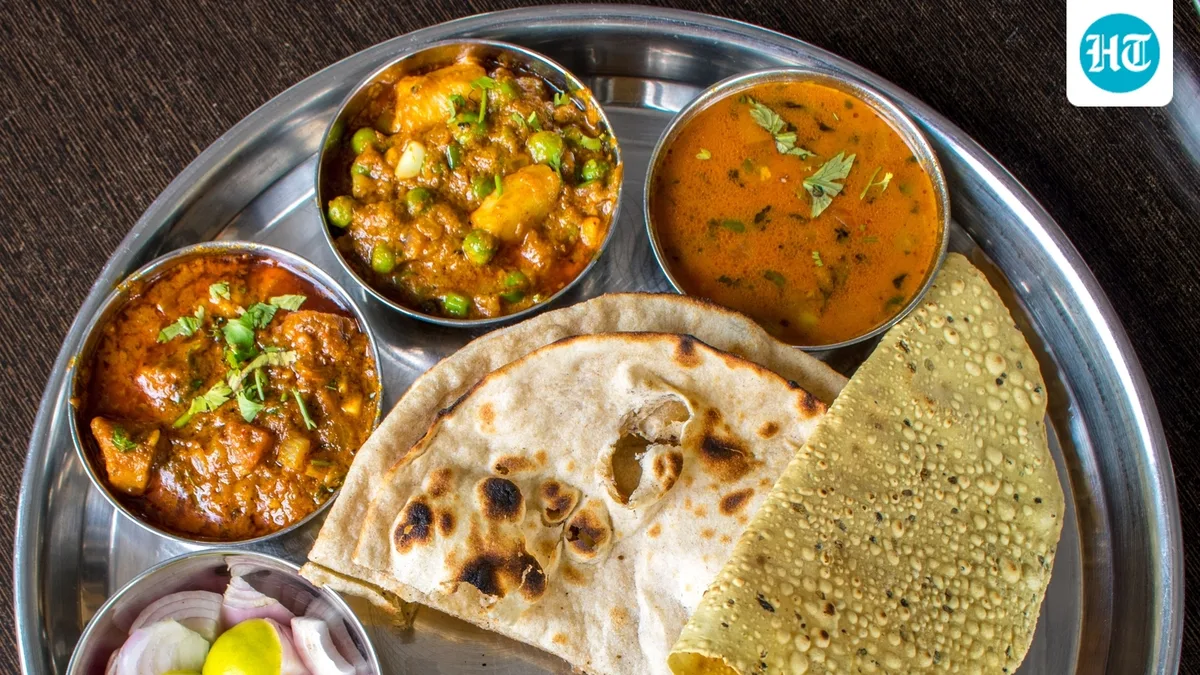
As far as cardiac fitness is concerned, the notion of adopting a healthier diet doesn’t always imply abandoning Indian cuisine or spending lots of money on an exotic diet regimen that includes unknown types of food.
Also Read | Did you know babies need fat in their diet in the first two years? Physician explains its role in brain development
According to cardiologist Dr Parneesh Arora, in most cases, the essential thing is to pay attention to the existing components of your plate and make certain changes consistently.
He shared with HT Lifestyle, “On one hand, Indian dishes are naturally abundant with vegetables, pulses, grains, nuts and spices. On the other hand, constant excessive intake of salt, refined carbs, fried dishes, processed meat, sugar-laden drinks and saturated fat may negatively affect cardiovascular fitness in the long run.”
What matters is to find a balance between “good” and “bad” food. Dr Arora explained how that can be done, which is presented as follows.
The cardiologist believes that one of the easiest modifications that can be made in the regular Indian diet is to add more vegetables to meals every day.
“The consumption of seasonal vegetables, green vegetables, gourd vegetables, beans, carrots, tomatoes, and other colourful vegetables adds fibre , vital micronutrients, and bulk to meals,” he stated.
Another good component of an Indian diet for heart health is pulses, dals, beans, and chickpeas, which give protein and fibre. Pulses, dals, beans, or chickpeas can be added in the form of dal, rajma, chole, sprouts, or other combinations, pointed out Dr Arora.
The third modification suggested by the cardiologist is the inclusion of whole grains over refined varieties.
“The choice of whole wheat roti, oats, barley, brown rice, and other unrefined grains adds fibre to the diet,” he noted. “It does not imply that rice or roti should be totally eliminated from the diet. The size of portions and composition of the entire meal is what counts here.”
“Nuts and seeds may be included in the right portions in the daily diet. Examples of nuts and seeds are almonds , walnuts, flaxseeds, and other unsalted nuts or seeds,” added Dr Arora.
The nutritional value of the same food changes drastically depending on its preparation method. Dr Arora cautioned that regular deep frying of vegetables, paneer, or snacks significantly increases fat and calorie intake.
“A healthy way of preparing food would include grilling, roasting, steaming, sautéing, or pressure cooking. Samosas or pakoras do not have to be considered taboo, but making fried food items an occasional option would make more sense,” he shared.
Cooking fat plays its role here as well. A large amount of butter, ghee, or cream will lead to excessive saturated fat intake, pointed out Dr Arora. Unsaturated fats may be consumed in moderation, whereas reusing cooking oil is a bad idea.
5News aggregated this summary from the outlet’s public feed. The full article, with all the context, is on www.hindustantimes.com — the content belongs to Hindustan Times - Health.