70% of yearly change in winter pollution in north India explained by western disturbances: Study
Account subscription benefits alongside Premium Stories, Editorials, Opinions and more. Unlock these with Subscription
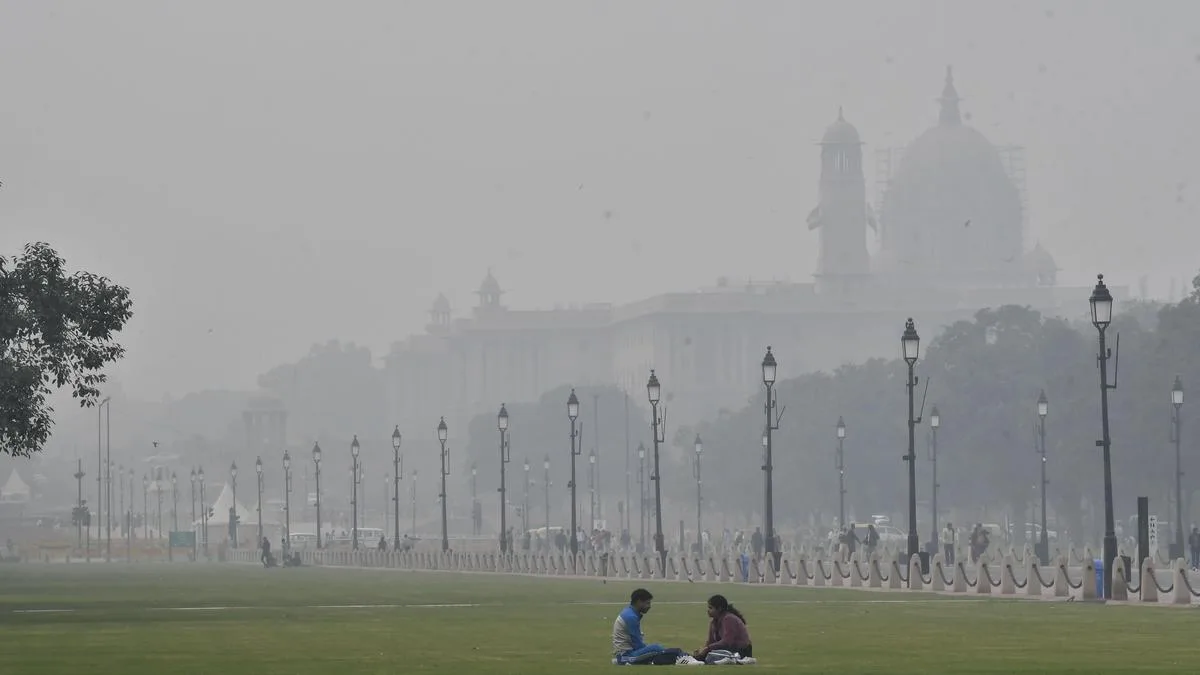
Air pollution levels across northern India, including Delhi-NCR, spike during the winter season, increasing residents’ health risks. File | Photo Credit: Shiv Kumar Pushpakar
About 70% of the year-to-year variation in winter air pollution across northern India may be explained by the frequency of western disturbances, possibly providing warning of unusually polluted winter months in advance, researchers said.
Western disturbances are storm systems that travel eastwards from the Mediterranean region towards South Asia by strengthening vertical ventilation and bringing precipitation that helps clear accumulated pollution, including PM2.5, from the air.
The team said winters with more frequent western disturbances tend to experience lower air pollution levels, while winters with fewer of these storms are more susceptible to persistent severe pollution.
"Currently, many of the most disruptive air-pollution measures are taken only after severe pollution is already developing," lead author Yuanyu Xie, an associate research scholar at Princeton University's School of Public and International Affairs, U.S., said.
"If scientists can anticipate the overall severity of the coming winter months ahead of time, governments, businesses, and communities will have more time to prepare," Ms. Xie said.
They also found that the frequency of western disturbances is linked to ocean temperature patterns already evident during the preceding autumn.
The team said the overall severity of winter pollution in north India may thus be predicted about a season in advance. Air pollution levels across northern India, including Delhi-NCR, spike during the winter season, increasing residents' health risks.
A combination of vehicle emissions, stubble burning in the neighbouring states of Punjab, Haryana and Uttar Pradesh and weather patterns that trap pollutants close to the ground is attributed to the seasonal spike in pollution.
Emergency measures, including pausing construction, restricting industries and limiting traffic, are implemented on severe pollution days, but may be a challenge if put in place on short notice.
The researchers said seasonal forecasts could indicate whether the coming winter is likely to have relatively severe or mild pollution levels overall, rather than predicting pollution levels for a particular day months in advance, thereby offering a more practical approach.
The information could provide a lead time, allowing authorities to strengthen enforcement before the pollution season begins, coordinate responses across jurisdictions, and give businesses more time to prepare for potential restrictions, they said.
"Emission controls will remain of paramount importance," co-author Denise Mauzerall, a professor of public and international affairs and civil and environmental engineering at Princeton University, said.
5News aggregated this summary from the outlet’s public feed. The full article, with all the context, is on www.thehindu.com — the content belongs to The Hindu.