PFRDA chief on the next phase of NPS: more competition, assured income and wider access
This is a Mint Premium article gifted to you. Subscribe to enjoy similar stories.
The retirement landscape is evolving beyond simply accumulating a corpus, with greater focus on how savers can generate a steady income after retirement.
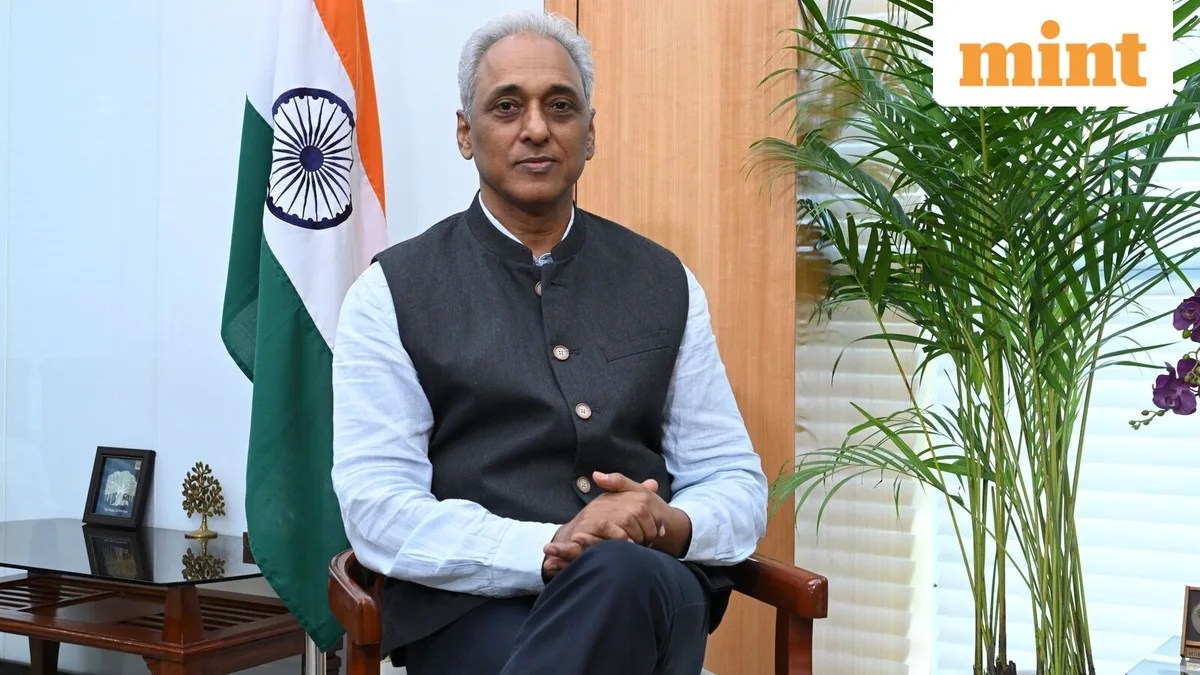
In an interview, Sivasubramanian Ramann, chairperson, Pension Fund Regulatory and Development Authority (PFRDA), discusses the regulator’s plans for National Pension System (NPS), the proposed Retirement Income Scheme (RIS), the future of annuities and efforts to widen retirement coverage. He also talks about NPS Swasthya, the growing participation of gig workers, corporate NPS and the regulator’s efforts to improve grievance redressal.
We have tried to address some of the real needs of citizens, particularly those aged 55 and above, who find it difficult to get health insurance. Our market feedback suggests that most people in this age group do not get a health policy because insurers may not accept them.
There is another problem. Many people have health insurance through their employers, but once they leave the corporate sector, they may find it difficult to buy a fresh policy. Even if they get one, the premium could be significantly high thus being unaffordable. This is one of the reasons for introducing NPS Swasthya.
But when it comes to claims, we cannot change the way the insurance and healthcare industries behave today. That will have to evolve through the insurance regulator and through greater coordination between hospitals and insurers .
It being a group structure, the premiums are 30-40% cheaper than what is available in the market. Moreover, we have reduced the waiting period from two years to one year because insurers are also keen to acquire this large pool of customers. They do not have to incur the usual customer-acquisition and distribution costs that could very well be above 25%. The pension fund and point of persons (PoPs) are bringing the customers to them. Insurers do not have to pay them.
A few companies have already approached us asking whether they can substitute their existing corporate health policy with NPS Swasthya because it is significantly cheaper. They could also use the savings to provide additional benefits or a higher cover. There could also be an arrangement between the employer and employees where the company covers the deductible. This could still be cheaper than the employer paying the entire insurance premium.
The digital POP framework is a separate initiative aimed at significantly expanding the distribution network. The eligibility requirements are more flexible because these entities will operate through PFRDA's digital platforms, NPS Tatkal and Star NPS. The Common Service Centre (CSC) platform is another existing channel, but that is limited to CSCs.
Corporate NPS accounts have actually grown rapidly, and corporate NPS assets under management have grown faster than government NPS. The issue is that employees already contribute to Employees’ Provident Fund ( EPF ), they feel uncomfortable making an additional contribution to NPS.
Our message to corporates is that there should be an allocation for both EPF and NPS.
5News aggregated this summary from the outlet’s public feed. The full article, with all the context, is on www.livemint.com — the content belongs to LiveMint - Money.