Friday, 9 October 2026 SourcesAbout🌓
🇮🇳 IN ▾
BREAKING
› 7 Indian tech firms rank among top 50 US employers with approved H-1Bs; 4 named in Labor Dept. probe› CPI(M) seeks registration documents for Mulagada residents› US sanctions two Mumbai firms, five Indians over alleged Iran oil trade› ISCCM to hold critical care awareness walkathon on Friday› ‘Attire is a citizen’s choice’: Kerala HC backs school headmistress over attire row› Two Mumbai-based firms, 5 Indian nationals face US sanctions over Iran oil trade› Chance and happenstance: On the Nobel Prize in Chemistry› US executive admits $193.6m fraud after FBI finds 298 gold bars› Heavy rain in Madurai, Corporation commissioner directs officials to ensure stormwater drains are free from encroachments› Trump honours Satya Nadella as US targets Microsoft over foreign worker visas› 7 Indian tech firms rank among top 50 US employers with approved H-1Bs; 4 named in Labor Dept. probe› CPI(M) seeks registration documents for Mulagada residents› US sanctions two Mumbai firms, five Indians over alleged Iran oil trade› ISCCM to hold critical care awareness walkathon on Friday› ‘Attire is a citizen’s choice’: Kerala HC backs school headmistress over attire row› Two Mumbai-based firms, 5 Indian nationals face US sanctions over Iran oil trade› Chance and happenstance: On the Nobel Prize in Chemistry› US executive admits $193.6m fraud after FBI finds 298 gold bars› Heavy rain in Madurai, Corporation commissioner directs officials to ensure stormwater drains are free from encroachments› Trump honours Satya Nadella as US targets Microsoft over foreign worker visas
Science

Could humans live up to 194 years? Scientists find a possible biological limit
Times of India - Science ·
Could humans live up to 194 years? Scientists find a possible biological limit

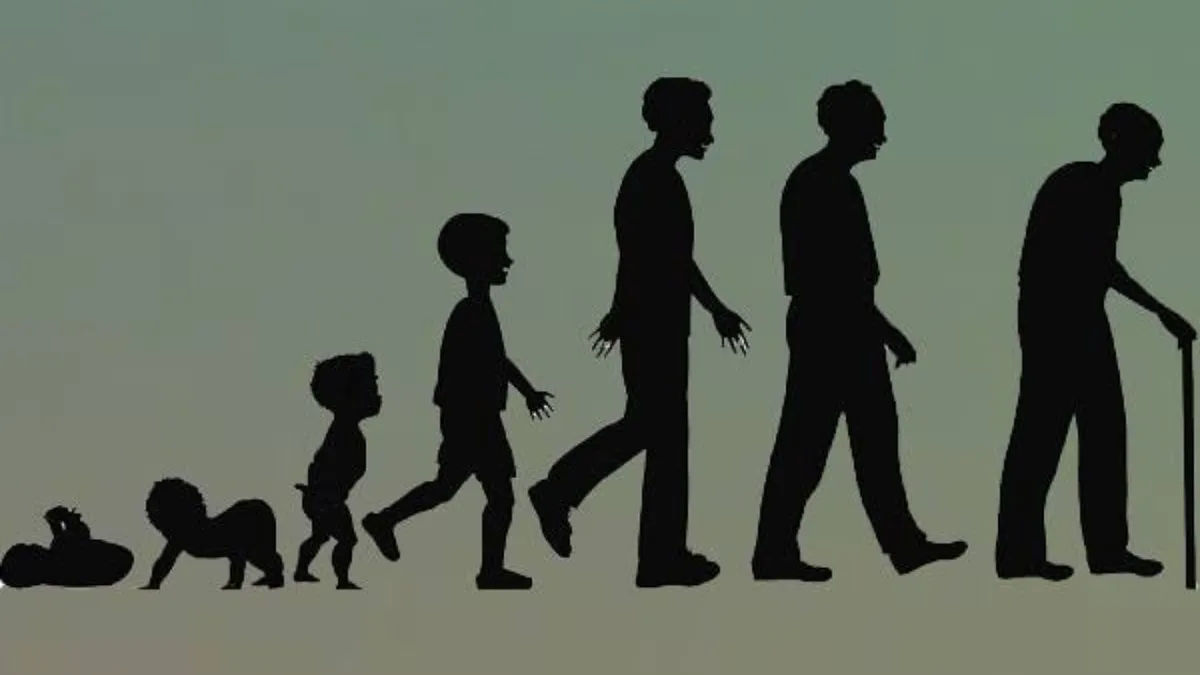
A groundbreaking study suggests that if we could eliminate aging mechanisms, humans could potentially live between 146 to 194 years.

Researchers spotlight somatic mutations as key contributors to aging, delving into how various organs age differently.

Neurons and heart muscle cells face unique challenges, while liver cells exhibit regenerative abilities.

Although not a forecast for actual lifespans, this research investigates the theoretical boundaries of human longevity.

Read the full article on Times of India - Science ›

5News aggregated this summary from the outlet’s public feed. The full article, with all the context, is on timesofindia.indiatimes.com — the content belongs to Times of India - Science.
More from Times of India - Science

See all ›

More in Science

See all ›