‘Prahaar: The Ujjwal Nikam Story’ movie review: Caught in the paradox of fairness
Account subscription benefits alongside Premium Stories, Editorials, Opinions and more. Unlock these with Subscription
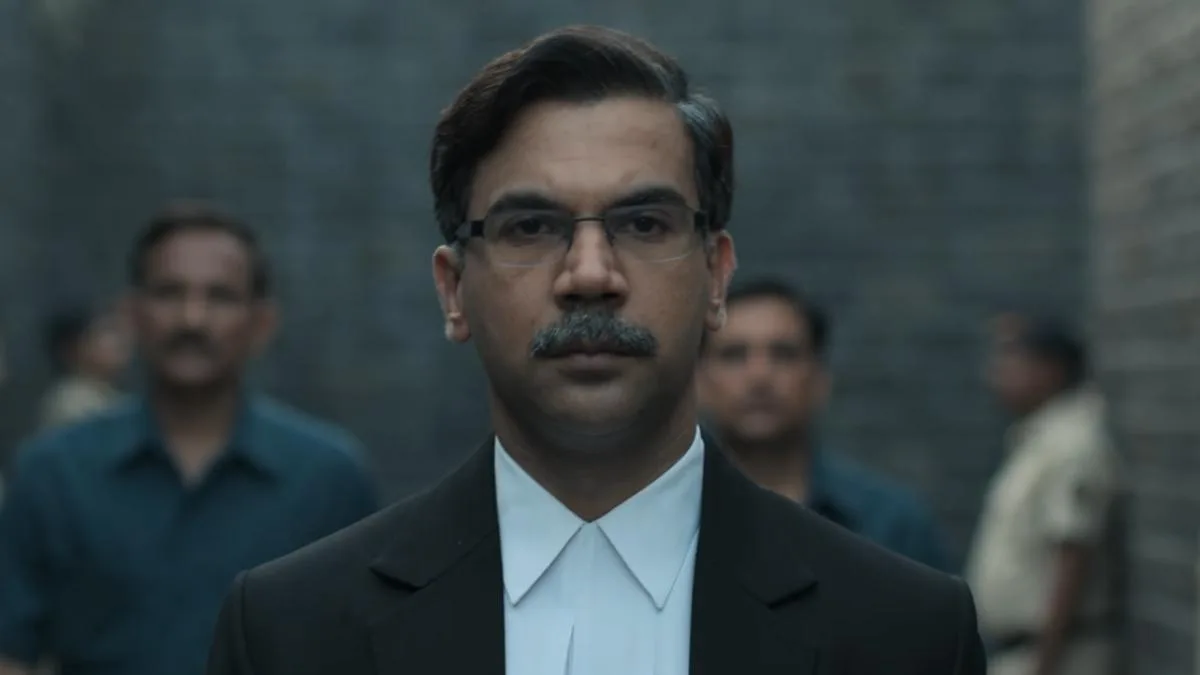
The dastardly attacks of 26/11 have been covered in Indian cinema from multiple angles. This week, director Avinash Arun takes us into the systemic battle that followed, through the singular biographical lens of Ujjwal Nikam, the special public prosecutor popularly known as the man who sent Ajmal Kasab to the gallows. The choice creates a persuasive anchor. As we know the legal battle is a slow, faceless machine, by focusing on Nikam, Avinash gives that dry institutional process a human pulse.
At times, one wonders whether the director chose the subject or the subject picked the director to tell his tale. In some passages, Prahaar seems to work at cross purposes, caught between a desire to be a nuanced, balanced legal procedural and a commercial obligation to create emotionally satisfying, patriotic mass spectacle. Perhaps that is the reality of the case, too. Ajmal Kasab was the definition of an open-and-shut case. Yet, the Indian state’s insistence on a flawless, fair process within a limited time frame to corner Pakistan in international fora is exactly where Prahaar finds its best, while also giving the impression of manufactured drama.
Contrary to apprehensions, writer Sumit Roy refuses to turn the movie into a jingoistic spectacle or a communal statement in the guise of exposing Pakistan’s consistent use of religion in geopolitics. The narrative respects due process, human rights, and the judiciary’s ethical touchstone. Moreover, it addresses the larger philosophical question of justice when the accused has shed the veneer of humanity and is weaponised by the enemy.
The inclusion of Chaudhary Zulfiqar ( Jaideep Ahlawat ), a sharp public prosecutor from Pakistan who travels to India for the case, serves as a narrative bridge, taking us to the ‘other side’. Without him, the depiction of the neighbour would have remained confined to faceless bigoted handlers.
Jaideep Ahlawat and Rajkummar Rao in ‘Prahaar’ | Photo Credit: Special Arrangement
Written as a dignified legal mind, Zulfiqar shares Nikam’s fatigue and personal sacrifices. Their chit-chat over meals reveals the human vulnerability beneath the black coats. Jaideep’s measured performance conveys empathy, showing that the burden and exhaustion of state conflict weigh on both sides.
Amidst the legalese, little Komal’s (Dior Ranju Varghese is excellent) eyewitness account of the CST station attack acts as an emotional dagger that strikes home the absolute horror of the terror attack, forcing us to face the human cost of the tragedy all over again.
Viewing a complex systemic battle through a single biographical account risks distorting the narrative, but Avinash avoids the easy route of commercial cinema, which regularly portrays terrorists as shouting, one-dimensional villains.
Instead, through Lalit Prabhakar’s stunning, unpredictable performance as Kasab, the film allows the young terrorist to speak in several distinct tones, skinning layers of manipulation to take us under the skin of an indoctrinated young man.
5News aggregated this summary from the outlet’s public feed. The full article, with all the context, is on www.thehindu.com — the content belongs to The Hindu - Entertainment.